

Steinmetz Plastic Surgery
Birmingham
Financing available
Steinmetz Plastic Surgery is a plastic surgery practice in Birmingham, Alabama, rated 4.8 stars across 192 Google reviews, performing 23 tracked procedures.
View surgeon →
Surgery that relocates your own permanent hair follicles to thinning areas, the only treatment that puts living, growing hair back where it has been lost. Compare Birmingham clinics below and request a free consultation.
$6,000–$18,000
per session · USD
A general range for Birmingham, rounded for guidance. Confirm exact pricing with each clinic.
Only two plastic surgeons in Birmingham list hair transplant among their procedures. Here they are, with a link to every surgeon in the city.
Birmingham
Financing available
Steinmetz Plastic Surgery is a plastic surgery practice in Birmingham, Alabama, rated 4.8 stars across 192 Google reviews, performing 23 tracked procedures.
Birmingham
Financing available
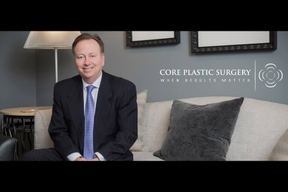
Core Plastic Surgery: Grady Core, MD, FACS is a plastic surgery practice in Birmingham, Alabama, rated 4.8 stars across 109 Google reviews, performing 20 tracked procedures.
Surgery that relocates your own permanent hair follicles to thinning areas, the only treatment that puts living, growing hair back where it has been lost.
One session for many patients, larger restorations staged over two, final result around 12 months
Grafts visible as small scabs for 7 to 10 days, desk work in 2 to 3 days, transplanted hair sheds then regrows over months
People with stable or medically managed hair loss, a defined thinning pattern, and enough dense donor hair at the back and sides to supply the plan
Hair Transplant generally runs $6,000–$18,000 per session, and each Birmingham clinic sets its own price. The biggest variables are the provider's experience level and the specific device or product used. Newer technology and senior injectors price at the upper end. Pricing is quoted in US dollars (USD). Request a consultation from any of our listed Birmingham clinics for a personalized quote.
Maintenance schedules vary. Most Birmingham providers recommend periodic refresh sessions every 6–12 months once optimal results are achieved.
Most patients wait 24 hours before applying makeup to avoid irritation on freshly-treated skin.
In the US and Canada, $6,000 to $18,000 per session, driven mostly by graft count. Clinics price per graft, commonly $3 to $8, and typical sessions run 1,500 to 3,000 grafts. A hairline restoration sits at the lower end, full frontal-and-crown work at the top or across two sessions. Quotes far below this range, particularly abroad, price in trade-offs worth understanding before you fly.
FUE extracts follicles one by one through dot incisions, heals fast, and leaves no linear scar, which suits short haircuts. FUT removes a thin strip from the back of the head, yields many grafts in one pass, and leaves a line scar that longer hair covers. FUE now dominates, but FUT remains rational for large sessions and maximum lifetime graft yield. Good clinics offer both and recommend by case.
The transplanted shafts shed within a few weeks, which alarms patients who were not warned, and the follicles then regrow permanently, with visible growth from month three and full results at twelve to eighteen months. The transplanted follicles keep their donor-zone resistance to balding. The surrounding original hair, however, remains on its own trajectory, which is why stabilizing medication matters.
Usually yes, and this is the most under-explained fact in the field. A transplant moves hair, it does not stop hair loss. Untreated, the native hair behind and around the grafts keeps thinning, and the transplanted zone can end up as an island. Medication or ongoing therapy protects the frame around the surgical result. Clinics that skip this conversation are selling grafts, not outcomes.
Sometimes. Women with a stable pattern and a strong donor zone can do well, but diffuse thinning across the whole scalp, common in female pattern loss, often includes the donor area itself, which undermines the supply. A workup for medical causes comes first. For diffuse cases, medical therapy and treatments like PRP are frequently the honest recommendation over surgery.
Explore other treatments and clinics available locally.
All Birmingham treatments & clinics