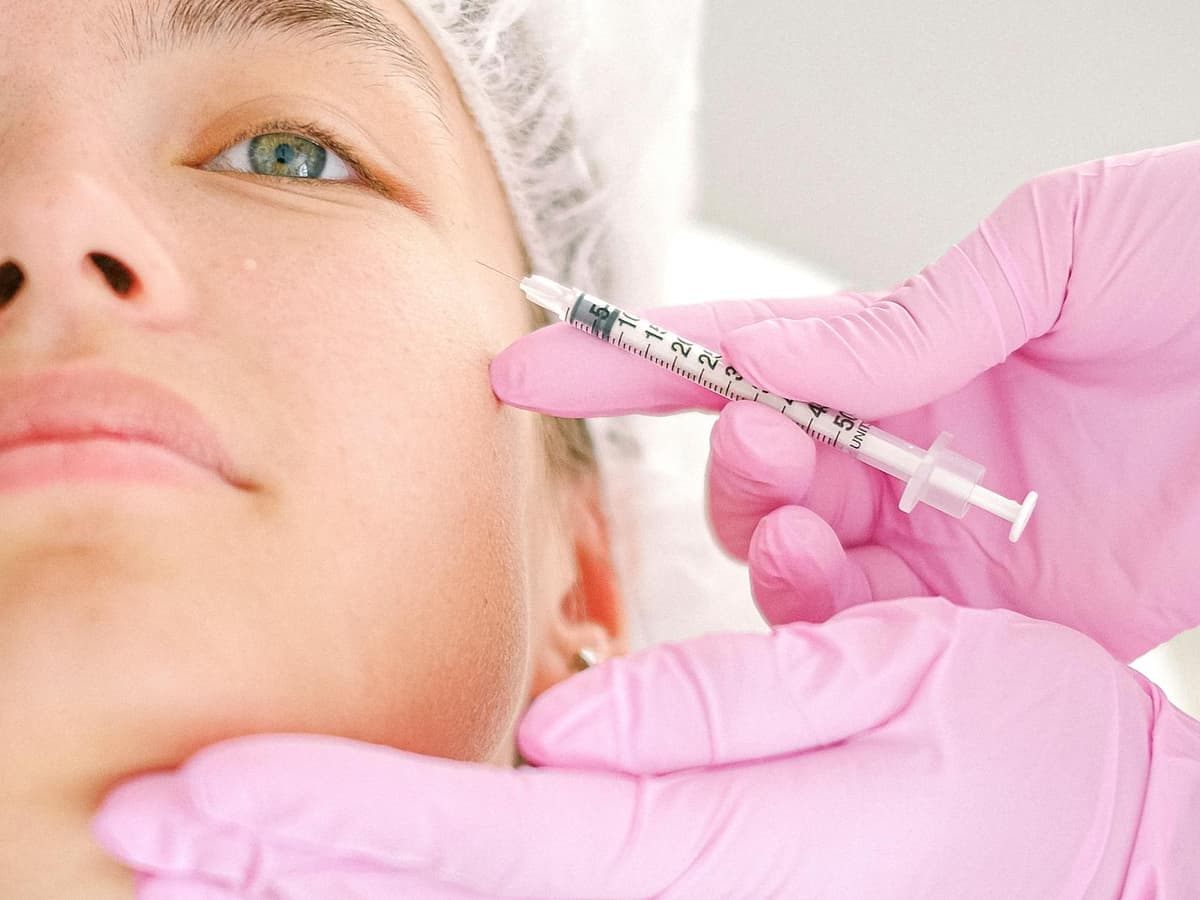
A non-surgical injectable treatment that temporarily relaxes specific facial muscles to smooth dynamic wrinkles like frown lines, forehead lines, and crow's feet.
See the clinics in your city that offer it, compare reviews, and request a free consultation.
Your location is used once to pick the nearest city and is never stored.
Botox is the most popular non-surgical cosmetic treatment in the world, and for good reason. A few small injections relax the specific muscles that create dynamic wrinkles, leaving a smoother, more refreshed appearance with no surgery, no downtime, and a 10–15 minute appointment. It’s also one of the most-searched cost questions in aesthetics because pricing varies widely and most clinics don’t publish it.
How Botox works
Botox is the brand name for botulinum toxin type A, a purified neurotoxin that, in tiny, precisely placed doses, temporarily blocks the nerve signal that tells specific muscles to contract. When those muscles can’t fully contract, the overlying skin stops creasing, and the dynamic wrinkles caused by repeated muscle movement gradually soften.
Botox doesn’t address static wrinkles (lines visible at rest, caused by collagen loss). That’s where fillers or skin-resurfacing treatments come in. It’s specifically for dynamic wrinkles: frown lines (between the brows), forehead lines, and crow’s feet around the eyes.
There are several FDA-approved neurotoxins on the market (Botox, Dysport, Xeomin, Jeuveau, and Daxxify), all similar in effect with small differences in onset speed and duration. Your provider will recommend one based on your goals.
What to expect during treatment
A typical appointment takes 10–15 minutes. The provider will examine your facial movement, mark the injection points, and use a very fine needle to deliver small amounts of product into the target muscles. Most people describe it as a series of tiny pinches. There’s no recovery: you can drive home, return to work, and resume normal activity immediately.
You’ll be asked to avoid lying flat, rubbing the area, and intense exercise for a few hours after to keep the product where it was placed.
Results and timeline
Days 2–4: Initial softening begins.
Days 10–14: Full results visible (wrinkles smoothed, expression still natural).
Months 3–4: Effects gradually fade as the body breaks down the neurotoxin.
For most people, results last 3–4 months. Daxxify can last meaningfully longer (up to 6 months) for some patients. Consistent treatment over time can actually train the muscles to engage less, so people often need slightly less product as they continue.
Is Botox right for you?
Strong candidates are adults bothered by dynamic wrinkles (lines that appear or deepen when you make expressions) and who want a subtle, natural-looking refresh. It’s commonly used preventatively as well, starting in the late 20s/early 30s to keep dynamic lines from etching into permanent static lines.
Botox is not appropriate during pregnancy or breastfeeding, with certain neuromuscular conditions, or if you have an allergy to the product. A thorough consultation should screen for these.
Risks and side effects
When done by an experienced injector, Botox is very safe. Common, temporary side effects include small bruises, mild headache, or a “heavy” feeling for a day or two. Less common: temporary asymmetry, a slight brow droop, or eyelid heaviness, usually the result of incorrect placement and almost always resolved as the product wears off.
Choosing a board-certified physician, PA, NP, or experienced RN injector is the single biggest factor in a great result. Anatomical knowledge and conservative dosing protect you.
What affects the cost
Pricing for Botox varies in two main ways:
Per unit (typically $10–$20/unit). Transparent, but you need to know that the forehead may use 10–20 units, the glabella (”11s”) 15–30 units, and crow’s feet 10–24 units total. A “full upper face” treatment commonly runs 40–70 units.
Per area (often $200–$600 per area). Easier to budget, but ask whether “an area” means a fixed unit count or a fixed price regardless of units used.
Other factors: your provider’s experience, your city, and which brand of neurotoxin (Daxxify costs more but lasts longer). Many clinics run loyalty programs (Allē for Botox, ASPIRE for Dysport) that reduce ongoing costs.
Comparing Botox costs by city
Botox pricing swings widely by market. Premium metros like New York and San Francisco sit at the top of the per-unit range, while Houston and Minneapolis deliver stronger value. For the full pricing breakdown, see our Botox cost guide, and if you’re weighing Botox against volume loss, read Botox vs. fillers.
Why people choose Botox
The most popular non-surgical cosmetic treatment in the world
Smooths frown lines, forehead lines, and crow's feet in a 10–15 minute appointment
Effects appear within days and last 3–4 months
Used preventatively as well as correctively
Multiple FDA-approved brands (Botox, Dysport, Xeomin, Jeuveau, Daxxify) with similar results
Are you a good candidate?
Adults with dynamic wrinkles (lines that appear when you frown, raise your brow, or smile) who want a subtle, refreshed look without surgery
By location
Find Botox near you
7,924 clinics across 464 cities list Botox on ClinicCompass. 3,902 of them (49%) say on their own websites that they offer financing or payment plans;
ask about approval and interest before you book.
Botox is a purified protein (botulinum toxin type A) that temporarily blocks the nerve signals telling specific muscles to contract. Injected in tiny doses into targeted facial muscles, it relaxes them just enough to smooth dynamic wrinkles: the lines that appear when you frown, raise your eyebrows, or smile. It doesn't add volume; it doesn't change your face shape. Within 2 weeks, the treated area looks smoother at rest. Effects last 3–4 months, then the muscle gradually regains movement.
What is the biggest risk of Botox?
The most common real risk is unintended muscle weakness near the injection site, typically a temporary drooping eyelid (ptosis) or asymmetric brow if the toxin migrates slightly from where it was injected. This is almost always tied to either improper injection technique or excessive rubbing/laying down too soon after treatment, and it resolves on its own in 4–8 weeks as the Botox wears off. Serious systemic side effects are extremely rare at cosmetic doses. Choosing an experienced injector is the single biggest factor in avoiding all of these.
What is the 4-hour rule after Botox?
The "4-hour rule" means don't lay flat, exercise vigorously, or massage the treated area for the first 4 hours after your Botox appointment. The concern is that lying down, intense head movement, or rubbing the area could allow the Botox to migrate from the intended muscle to nearby muscles, potentially causing a droopy eyelid or asymmetric result. Most providers also recommend avoiding heat (saunas, hot yoga) and alcohol for 24 hours. After 4 hours, you can resume normal activity. Some providers extend this to 6 hours for extra caution.
How much do 20 units of Botox usually cost?
At the US average of $10–$20 per unit, 20 units of Botox typically costs $200–$400. Twenty units is a common dose for treating the glabella (the "11s" frown lines between your brows) or for a light forehead treatment. A more complete full-face treatment usually uses 40–70 units, putting most appointments in the $400–$1,400 range. Pricing varies meaningfully by city and provider experience: premium markets and senior injectors charge at the upper end.
What age is best to start getting Botox?
There's no universal "right" age: it depends on when your dynamic wrinkles start bothering you, not what's on your driver's license. Most providers see people start in their late 20s or early 30s for "preventative Botox," which uses small doses to soften lines before they become etched. Starting later (40s, 50s, 60s) is equally valid; you'll just be treating existing wrinkles rather than preventing new ones. There's no medical benefit to starting young if your skin isn't showing dynamic lines yet. Wait until you actually want the result.
Is Botox worth it after 60?
Yes, for most patients. After 60, Botox can still meaningfully soften dynamic forehead and frown lines and crow's feet. It won't address loose skin, lost volume, or the deeper static wrinkles that have set in at rest. Those typically need fillers, skin tightening, or surgery in combination. Many older patients get the best results from a combination plan: smaller Botox doses to soften muscle activity, plus fillers or skin tightening for volume and laxity. Discuss realistic expectations with your provider during consultation.
Is Botox a neurotoxin? Is it safe?
Yes, Botox is technically a neurotoxin, derived from the bacterium Clostridium botulinum. But the cosmetic dose is incredibly small (a fraction of a microgram), purified, and used in localized injections. It has been FDA-approved for cosmetic use since 2002 and is one of the most studied injectables in medicine, with decades of safety data across millions of treatments. Safety depends heavily on injector skill: choose a board-certified physician, PA, NP, or RN with extensive injection experience for the lowest risk of complications.
What's the difference between Botox and fillers?
Different problems, different products. Botox relaxes muscles to soften wrinkles caused by movement (forehead lines, frown lines, crow's feet). Fillers add volume to areas that have lost it (cheeks, lips, smile lines, jawline). They're commonly used together (Botox for the upper face, fillers for the lower face) for a balanced refresh. Botox lasts 3–4 months; fillers last 9–18 months. Per treatment, fillers cost more upfront but last longer.
Sources
Where this information comes from
Clinical facts on this page are checked against these primary sources.
1.FDA Prescribing Information for BOTOX Cosmetic (onabotulinumtoxinA): Indications, Usage, and Dosing, U.S. Food and Drug AdministrationFDA-approved uses and the roughly 3 to 4 month duration for frown lines; how Botox works by blocking the nerve signal to the muscle; and the serious risks, including the boxed warning on spread of toxin effect and extra caution for people with neuromuscular disorders.
2.Botox, National Library of Medicine, MedlinePlus (National Institutes of Health)States that Botox should not be used during pregnancy or while breastfeeding, and lists common side effects including pain, swelling, bruising, headache, and temporary eyelid drooping.
3.Botulinum toxin therapy: FAQs, American Academy of DermatologyConfirms results last about 3 to 4 months, sometimes longer, and that common side effects are mild and temporary, such as bruising, swelling, and rare brow or eyelid drooping.
4.Botulinum Toxin Recovery, American Society of Plastic SurgeonsConfirms there is no downtime after treatment and that patients should avoid rubbing the treated area to prevent the toxin spreading and causing temporary weakness or drooping.
5.Neuromodulators, American Society for Dermatologic SurgeryCorroborates how neuromodulators work (relaxing the injected muscle to smooth skin), the treatment areas (frown lines, forehead lines, crow's feet), and minimal recovery time.