
View clinic →
A skin booster made from purified DNA fragments, usually from salmon, injected in tiny droplets under the skin of the face, under-eyes or neck to improve texture, elasticity and fine lines over a course of two to four sessions. Widely used in Korea and Europe; no injectable version is FDA-approved in the United States, and the evidence, while promising, is small. Compare Charleston clinics below and request a free consultation.
$500–$1,200
per session · USD
A general range for Polynucleotides, not specific to Charleston. Each clinic sets its own price, so confirm it at your consultation.
Ranked by Google rating, weighted by how many reviews back it. Tap any clinic to view details and request a consultation.

2 clinics offer Polynucleotides across the Charleston metro with providers in Mt Pleasant. Charleston's established aesthetic clusters around Downtown / King Street, Mount Pleasant, Daniel Island, where pricing typically runs at the upper end of the local range.
Polynucleotides generally runs $500–$1,200 per session , and each Charleston clinic sets its own price. Compare the 2 listed clinics above, request consultations from your top two or three picks, and confirm exact pricing directly with each provider.
A skin booster made from purified DNA fragments, usually from salmon, injected in tiny droplets under the skin of the face, under-eyes or neck to improve texture, elasticity and fine lines over a course of two to four sessions. Widely used in Korea and Europe; no injectable version is FDA-approved in the United States, and the evidence, while promising, is small.
2 to 4 sessions, 2 to 4 weeks apart, then a maintenance session every 6 to 12 months
Small bumps at the injection points for a day or two; bruising possible, especially under the eyes
Adults with crepey, dull or thinning skin, fine lines around the eyes, early laxity, or acne scarring who want better skin quality rather than volume, and who understand this is an unapproved product in the US with a young evidence base
Polynucleotides generally runs $500–$1,200 per session, and each Charleston clinic sets its own price. The biggest variables are the provider's experience level and the specific device or product used. Newer technology and senior injectors price at the upper end. Pricing is quoted in US dollars (USD). Request a consultation from any of our listed Charleston clinics for a personalized quote.
ClinicCompass lists 2 verified Charleston-area clinics offering Polynucleotides, concentrated in Mt Pleasant. Each listing includes real Google ratings so you can compare reputable options side by side before booking a consultation.
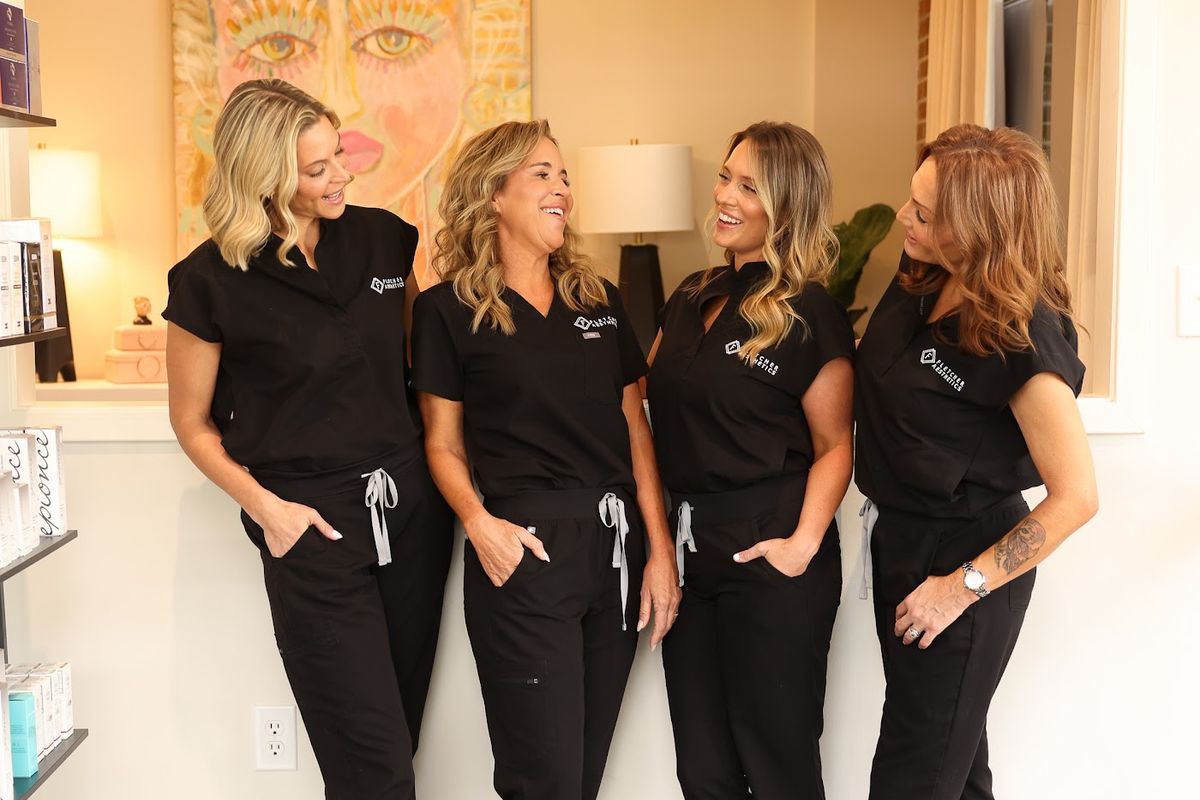
Among our 2 listed Charleston providers for Polynucleotides, Fletcher Aesthetics - Med Spa and Laser Treatment Center has the strongest Google record once review volume is weighed: 5★ across 276 reviews (located in Mt Pleasant). "Best" is subjective. Compare 2–3 Charleston clinics before committing.
Maintenance schedules vary. Most Charleston providers recommend periodic refresh sessions every 6–12 months once optimal results are achieved.
Results vary by patient, but most Charleston providers report 6–18 months of sustained benefit from a full Polynucleotides series.
Purified fragments of DNA, most often extracted from salmon or trout sperm cells, formulated as a clear gel and injected in tiny droplets into the skin. The idea is that the fragments act as a repair signal and a scaffold, prompting fibroblasts to make collagen and improving hydration and elasticity, rather than filling a line the way hyaluronic acid does. Rejuran, from Korea, is the best-known brand; Plinest and Nucleofill are European; PDRN is the pharmaceutical-grade version of the same molecule. Topical PDRN serums and creams exist too, and are cosmetics; this page is about injections.
No. No injectable polynucleotide product is on the FDA's list of approved dermal fillers or approved as a drug or device for skin injection in the United States, and the FDA notes that products not approved for use in the US cannot have their safety and effectiveness assured. Rejuran is approved in South Korea and used across Asia and Europe under those regulators. A US clinic offering injectable polynucleotides is using a product outside the FDA's approval; ask where the product comes from, and understand that there is no federal check on its quality. In Canada, no injectable polynucleotide holds a Health Canada licence either.
The evidence is promising and small. A 2025 systematic review of nine studies and 219 patients, most on crow's feet, found statistically significant improvements in wrinkles, texture and elasticity in several studies, mild and short-lived side effects, and moderate to high satisfaction, while rating the studies low to moderate quality and calling for rigorous trials and standard protocols. Read that as: it probably does something real for skin quality, the size of the effect and the best protocol are not settled, and anyone promising dramatic results is ahead of the data.
Skinvive is FDA-approved hyaluronic acid placed as micro-droplets in the cheeks for hydration and glow; it does not go under the eyes. PRP uses your own platelets, usually with microneedling, and has a longer track record with similar mild effects. Fillers add volume and shape. Polynucleotides sit closest to Skinvive in purpose, skin quality rather than volume, with two differences: they are used under the eyes and on the neck, where hyaluronic acid boosters are avoided, and they are not FDA-approved.
$500 to $1,200 per session in US cities that offer it, with courses of two to four sessions priced at $1,500 to $4,000; under-eye-only treatments sit at the lower end. Canadian and UK pricing is similar in local dollars. Because the product is imported outside the approval system, prices vary more than for approved injectables; a very low price is a reason to ask about the product's source, not a reason to book.
Small bumps at the injection points that settle in a day or two, redness, itching, swelling and bruising, which is common under the eyes. The published studies reported no severe adverse events. The unquantified risk is the product itself: without FDA review there is no assurance of purity or sterility, so the pharmacy or distributor matters. People with fish allergies should discuss it, since the DNA is salmon-derived, though allergic reactions in the studies were not reported.
Most protocols use two to four sessions two to four weeks apart, with texture and hydration improving over the course and for a few months after. Results typically hold six to twelve months, then a single maintenance session. There is no standard protocol in the literature, so clinics vary.
Explore other treatments and clinics available locally.
All Charleston treatments & clinics