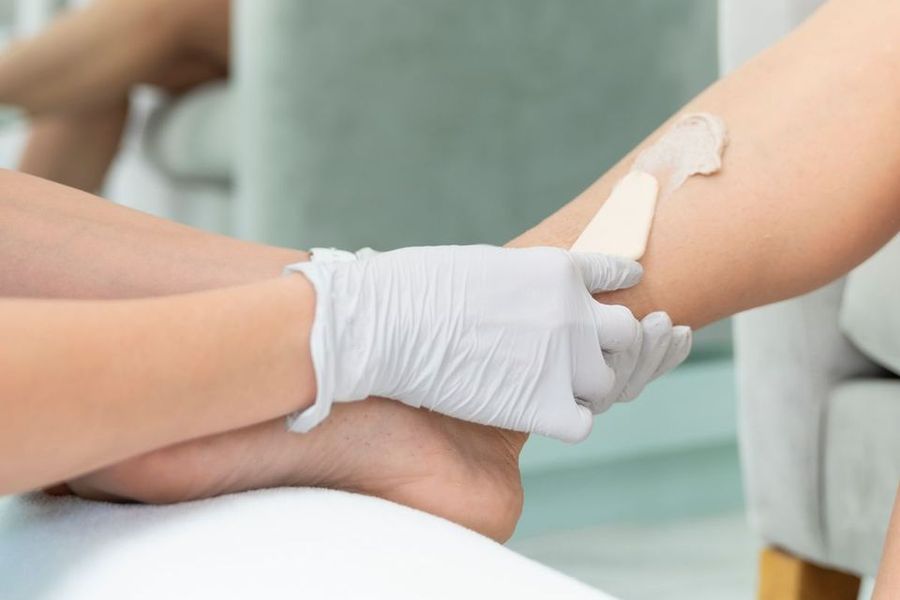
Cankles is slang for a lower leg where the calf runs straight into the ankle without a taper. People searching for a fix assume it is fat. Often it is, and sometimes fat they cannot diet away. But it is frequently fluid, which is a medical sign rather than a cosmetic one, and sometimes it is simply the shape of the bones and tendons, which nothing changes. The whole decision is telling those apart.
Fat, fluid or frame
Press a thumb into the ankle for a few seconds. A dent that slowly fills is fluid. Fluid is also worse in the evening and after standing, better in the morning, and worse in heat, in pregnancy, and on medicines including some blood pressure drugs, hormones, anti-inflammatories and steroids. Fat is firm, dents nothing, and is the same at breakfast and at bedtime. Frame is the width of the bone and the Achilles tendon, feels hard, and looks the same whatever your weight.
Most people have some mix, and the proportions decide what, if anything, a clinic can do.
Fluid: a doctor, not a clinic
Swelling that is new, in one leg, or comes with a red, warm leg, shortness of breath or chest pain needs urgent care; it can be a clot or a sign of heart, kidney or liver disease. Long-standing swelling in both legs is usually a vein problem, a medicine or long hours on your feet, and the treatment is elevation, support stockings, exercise and less salt, prescribed by a physician who has found the cause. Lymphatic drainage massage moves fluid and can make a swollen leg feel lighter for a while. It removes no fat.
Lipedema: fat that is a condition
Lipedema is a long-term disorder, almost always in women and often inherited, in which fat builds up symmetrically in the legs and sometimes the arms while the feet stay slim. The result is a cuff of fat at the ankle above a normal foot, often tender, often bruising easily, and famously resistant to dieting. It is frequently mistaken for ordinary weight, including by clinics. If this describes your legs, see a physician who knows the condition before a cosmetic consultation. Compression, exercise and lymphatic drainage manage it; liposuction, by a surgeon who treats lipedema, is its surgical option and can reduce pain and improve mobility as well as shape.
Fat on a stable weight: liposuction
When the thickness is ordinary fat, your weight is one you can hold, and the skin is firm, liposuction of the calf and ankle is the treatment. The plastic surgery society lists both areas among those it is used for. It is a delicate area with little margin for unevenness, and the lower leg swells for longer after surgery than almost anywhere else, so the final shape takes months to show. It does not help fluid, and it does not change bone or tendon.
When there is no treatment
A thick ankle made of bone and tendon is a body type, not a condition, and no procedure alters it. Calf raises add muscle above the ankle, which can sharpen the line if the calf was underdeveloped or thicken the leg if it was not. A good surgeon will say when the taper you want is not available.
How to choose a provider
Ask the provider what they think your ankle is made of and how they decided. Ask whether they screened you for swelling and lipedema. For liposuction, choose a board-certified plastic surgeon who operates on calves and ankles specifically, ask to see results at six months, and ask how they manage the long swelling afterward. Any clinic that offers a device or a wrap to slim the ankle is selling you a temporary change in fluid.
Browse the surgeons and clinics below. Take a photo of your ankles in the morning and another in the evening before you go; the difference is the first thing a good provider wants to know.