
Skip to content
ClinicCompass
Crow's Feet: treatment options
Find by concern

How do you treat crow's feet?

The lines that fan from the outer corners of the eyes start as expression lines and, over years, etch into the skin. Botox handles the expression part and prevents the etching; resurfacing and microneedling handle lines that have already set. Most people over 40 need a little of both.

Dr. Victoria Taraska Medically reviewed by Dr. Victoria Taraska, MD, FRCPC

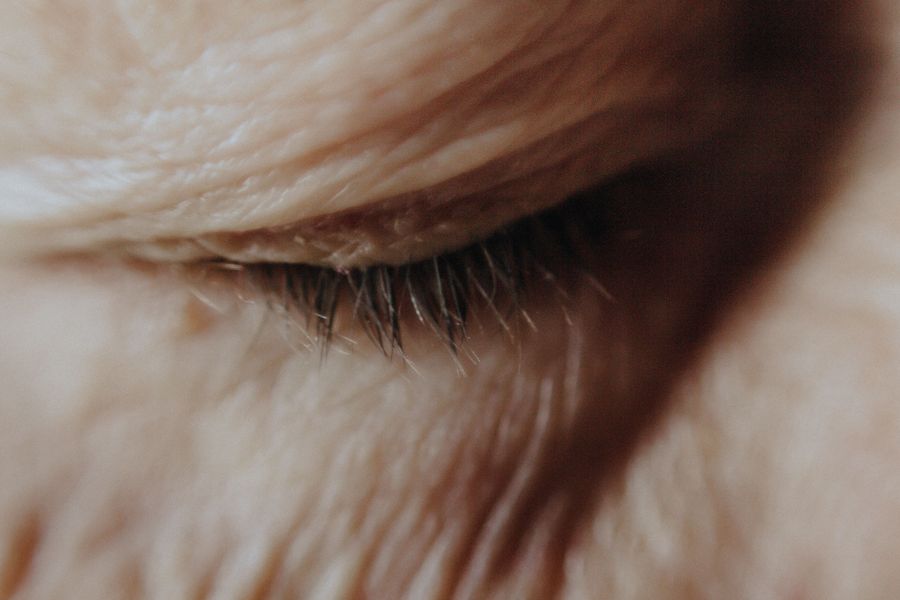
Crow’s feet are the most treated lines on the face and the ones with the clearest fix. They form because the muscle that circles the eye crinkles the outer corner every time you smile, squint, or laugh, tens of thousands of times a year. Early on the lines show only during the expression. Over years, sun, and thinning skin, they stay.

That two-stage story is the whole treatment plan.

Lines that show when you smile

If your crow’s feet appear with expression and mostly fade at rest, they are muscle lines, and Botox or Dysport is the treatment. A few small injections at the outer corner of each eye relax the muscle that fans the lines. Within a week or two the crinkle softens, and because the muscle is no longer creasing the skin thousands of times a day, the lines stop deepening. This is the preventive effect, and it is why starting before the lines are permanent produces the best long-term result. Treatments last three to four months, cost a couple of hundred dollars, and take ten minutes.

The smile itself is unaffected when the injection is placed correctly. The eyes still crease warmly when you laugh; they just do not carve.

Lines that stay at rest

Once lines are etched into the skin, relaxing the muscle helps but does not erase them, because the crease is now in the skin’s structure. That needs collagen. Fractional laser resurfacing at the outer eye removes damaged surface and triggers deep rebuilding, smoothing etched lines and the crepey texture that often comes with them, with a few days of downtime. Microneedling does a gentler version over a series with almost no downtime. Both are commonly combined with Botox, which stops the lines re-forming while the skin rebuilds.

For people whose outer eye and temple have started to loosen, making lines look deeper than they are, radio-frequency tightening firms the area over a series.

Choosing the sequence

Under 40 with lines that fade at rest: Botox, on a schedule. Over 40 with lines that stay: Botox to stop the progression, then resurfacing or microneedling to rebuild what has set. A good injector will tell you which stage you are at by asking you to smile, then relax, and looking at what remains.

How to choose a provider

Around the eyes, placement matters. Ask how many units the injector plans per side and where they place them. Ask whether they adjust for a low brow or a heavy lid, since Botox at the outer eye can interact with brow position. Ask to see results at two weeks on faces like yours, smiling. If resurfacing is on the table, ask what device they use near the eye and what protection they use for it.

Browse the clinics below, and go in with a photo of yourself laughing. That is the expression being treated.

Your options

Treatments for crow's feet, compared

Best-first, with honest notes on when each is the right call.

Treatment Typical cost Downtime When it's the right call
Botox $200–$600 per treatment area None. Return to normal activity right away The standard. A few units at the outer eye relax the muscle that fans the lines when you smile, softening them and stopping them from deepening. Three to four months. The best value treatment on the face.
Dysport $300–$600 per session None. Small injection bumps resolve within 20–30 minutes Same class of drug, often chosen around the eyes for its slightly faster onset and softer feel. Either works; ask your injector which they prefer for you.
Laser Skin Resurfacing $500–$3,500 per session 1–2 days (non-ablative) up to 1–2 weeks (ablative) For lines etched into the skin at rest and for crepey texture at the outer eye. Resurfacing rebuilds collagen where Botox only relaxes muscle. A few days of downtime.
Microneedling $200–$700 per session 1–2 days of redness, similar to a mild sunburn The gentler collagen route for fine lines and texture at the outer eye, in a series with minimal downtime. Pairs well with Botox.
Skin Tightening $1,500–$4,500 per treatment area or full face/neck None. Possible mild swelling or tenderness For laxity at the outer eye and temple that makes lines look deeper. Radio-frequency firms the skin over a series.
FAQ

Crow's Feet: common questions

Will Botox for crow's feet change my smile?

Not when it is dosed and placed correctly. The muscle being treated is the one that crinkles the outer eye, and relaxing it leaves the smile itself alone. Over-treatment or injections placed too low can affect the cheek's lift and flatten a smile for a few weeks, which is a placement error and a reason to choose an experienced injector. Most people find their smile looks the same, with less crinkling beside it.

At what age should you start treating crow's feet?

When the lines stay after the smile ends. For expressive people that can be the late 20s; for others the late 30s. Starting Botox before the lines etch in prevents them from becoming permanent, which is the strongest case for treating earlier rather than later. There is no age at which it is too late to soften them; the tools just shift from Botox alone toward Botox plus resurfacing.

How many units does it take?

Typically six to twelve units per side, so twelve to twenty-four in total, which at common per-unit prices runs $150 to $350 per treatment. Clinics that price per area usually charge a similar amount. Ask for the unit count with the price so you can compare.

Sources

Where this information comes from

Clinical facts on this page are checked against these primary sources.

  1. 1.FDA Prescribing Information for BOTOX Cosmetic (onabotulinumtoxinA): Indications, Usage, and Dosing, U.S. Food and Drug AdministrationThe labeled lateral canthal line (crow's feet) dose of 4 Units injected into each of 3 sites per side, for a total of 24 Units (12 per side), and the approximately 3 to 4 month duration of effect, backing the page's statement that crow's feet treatment uses six to twelve units per side and lasts three to four months.
  2. 2.Onset and Duration of AbobotulinumtoxinA for Aesthetic Use in the Upper Face: A Systematic Literature Review, PMC, National Institutes of Health (Journal of Clinical and Aesthetic Dermatology)That Dysport's onset is most often reported within 2 to 3 days, faster than onabotulinumtoxinA, backing the page's statement that Dysport around the eyes is chosen for its slightly faster onset.
  3. 3.Ablative Laser Resurfacing, National Library of Medicine, StatPearls (National Institutes of Health)That ablative fractional lasers vaporize damaged outer skin to treat wrinkles and stimulate deeper collagen rebuilding, with fractional treatment shortening recovery, backing the page's statement that fractional laser resurfacing removes damaged surface and triggers deep rebuilding with a few days of downtime.
  4. 4.Microneedling in Dermatology: A Comprehensive Review of Applications, Techniques, and Outcomes, CureusThat microneedling's collagen remodeling builds gradually over a series of treatments with redness that lasts only a few hours to a few days, backing the page's statement that microneedling is a gentler collagen route done in a series with minimal downtime.
Take the next step

Find Botox providers near you

Compare vetted clinics, real ratings, and local pricing in your city.

This page is for education, not medical advice or diagnosis. The right treatment depends on an in-person assessment by a qualified provider.