
Skip to content
ClinicCompass
Frown Lines: treatment options
Find by concern

What is the best treatment for frown lines between the eyebrows?

The vertical lines between the brows, the 11s, are the most treated lines on the face and the most responsive. Botox and its alternatives relax the muscles that carve them; once the lines have etched in, a little filler or resurfacing finishes the job. Started early, treatment prevents them entirely.

Dr. Victoria Taraska Medically reviewed by Dr. Victoria Taraska, MD, FRCPC

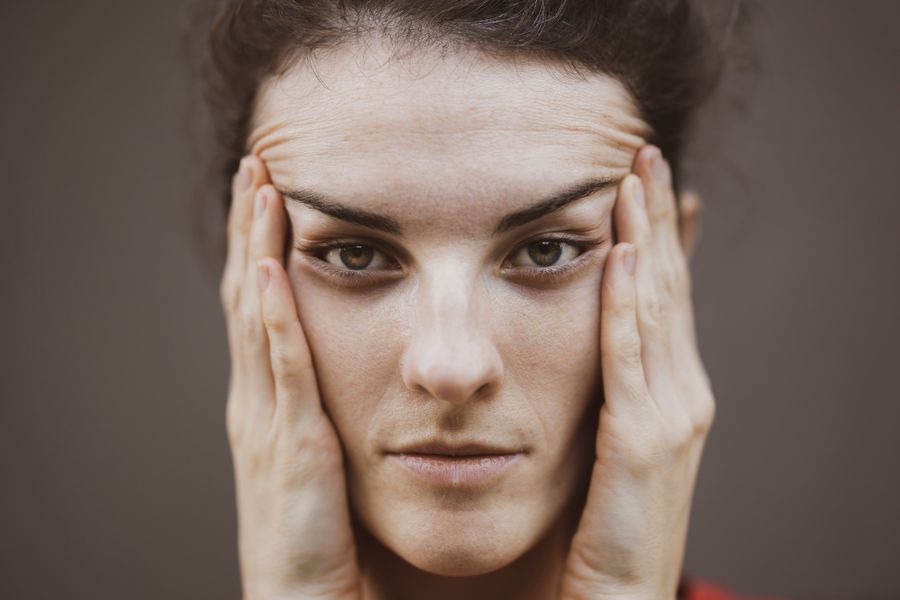
Frown lines, the vertical lines between the eyebrows, are the reason Botox exists as a cosmetic treatment: they were the first lines it was approved to treat, and they remain the most common. They are made by two small muscles that pull the brows together and down every time you concentrate, squint, or frown, thousands of times a day. Early on they show only during the expression. With years of repetition they etch into the skin and stay, and a face that is not frowning starts to read as if it is.

Relaxing the muscle

Botox, Dysport, and the other neuromodulators do one thing here: they relax the muscles that make the lines. Five small injections across the brow, twenty units or so, and within a week the frown weakens. Existing lines soften over the following two weeks as the skin stops being creased, and because the muscle is no longer carving them, they do not deepen. Treatment lasts three to four months. Nothing else in aesthetics has as reliable a result for the money.

The surprised or frozen look people fear is a placement and dose error. The frown muscles are separate from the ones that raise the brows; treating the frown alone leaves your expressions intact. Problems come from over-treating the forehead while the frown still pulls. An experienced injector balances the two.

When lines have etched in

If a line stays visible at rest even after the muscle is relaxed, it has become a crease in the skin itself. Two things address that. A small amount of soft filler placed under the crease lifts it, a precise treatment for an area with important blood vessels and one to reserve for injectors who do it regularly. Resurfacing rebuilds the skin’s surface across the whole area and handles the crepey texture that decades of frowning leave. Both are finishing steps after the muscle is quiet, never substitutes for relaxing it.

The case for starting early

Frown lines are preventable in a way most lines are not. Someone who starts treating them when they first linger at rest, often in the early 30s, can keep the area smooth for decades, because the etching never happens. Someone who waits until the 11 is deep at 50 can still soften it substantially but rarely erases it. For a treatment that costs a couple of hundred dollars a few times a year, that is a strong argument for treating the moment you notice them.

How to choose a provider

Ask how many units the injector plans and why. Ask how they keep the forehead and the frown in balance so the brows sit naturally. Ask to see results at two weeks on faces with a frown like yours, at rest and frowning. And if your lines are etched, ask whether they would add filler, and how many glabella filler treatments they do, since it is the one place where that question matters.

Browse the clinics below. A photo of yourself concentrating on something, taken by someone else, shows the injector exactly what they are treating.

Your options

Treatments for frown lines, compared

Best-first, with honest notes on when each is the right call.

Treatment Typical cost Downtime When it's the right call
Botox $200–$600 per treatment area None. Return to normal activity right away The standard and the original approved use. Twenty units or so relax the muscles that pull the brows together; lines soften in a week and the muscle stops carving them. Three to four months.
Dysport $300–$600 per session None. Small injection bumps resolve within 20–30 minutes Same class of drug, slightly faster onset, and a good match for the broad frown complex where a little spread is welcome.
Dermal Fillers $600–$1,500 per syringe 1–3 days of mild swelling or bruising For a deep 11 that stays etched at rest after the muscle is relaxed. A small amount of soft filler lifts the crease. Only after Botox, never instead of it, and only in experienced hands because the area is vascular.
Laser Skin Resurfacing $500–$3,500 per session 1–2 days (non-ablative) up to 1–2 weeks (ablative) For etched lines and the crepey skin between the brows that remains after years of frowning. Rebuilds the surface once the muscle is quiet.
FAQ

Frown Lines: common questions

How many units of Botox do frown lines need?

The approved dose is twenty units across five injection points, and most injectors use somewhere between fifteen and twenty-five depending on how strong the muscles are. Men and heavy frowners tend to need more. At common per-unit pricing that is roughly $200 to $350 per treatment, three to four times a year. Ask for the unit count with the price so you can compare clinics.

Will treating frown lines give me a frozen or surprised look?

Not when it is dosed for the muscle you have. The frown muscles are separate from the ones that raise the brows, and relaxing only the frown leaves your expressions intact; people notice you look less stern, not less expressive. A surprised look comes from treating the forehead too heavily while the frown muscles are still pulling, which is an injector error, not an inevitable result.

Can frown lines be prevented?

Yes, and this is the strongest case in aesthetics for starting treatment before the lines are permanent. Frown lines begin as lines that appear only when you frown. Regular Botox from that stage stops them from ever etching into the skin. Once they are visible at rest they can still be softened, but the fully smooth result gets harder each decade.

Sources

Where this information comes from

Clinical facts on this page are checked against these primary sources.

  1. 1.FDA Prescribing Information for BOTOX Cosmetic (onabotulinumtoxinA): Indications, Usage, and Dosing, U.S. Food and Drug AdministrationThe labeled glabellar-line dose of 20 Units injected across 5 sites (2 in each corrugator muscle and 1 in the procerus) and the approximately 3 to 4 month duration of effect, backing the page's statement that twenty units or so relax the muscles that pull the brows together and that treatment lasts three to four months.
  2. 2.Onset and Duration of AbobotulinumtoxinA for Aesthetic Use in the Upper Face: A Systematic Literature Review, PMC, National Institutes of Health (Journal of Clinical and Aesthetic Dermatology)That Dysport's onset is most often reported within 2 to 3 days, faster than onabotulinumtoxinA in a head-to-head comparison, and that its effect is most often reported to last about four months, backing the page's statement that Dysport is the same class of drug with a slightly faster onset.
  3. 3.Dermal Filler Do's and Don'ts for Wrinkles, Lips and More, U.S. Food and Drug AdministrationThat accidental injection of filler into a blood vessel is the most serious risk of dermal fillers and that only a licensed, experienced, trained injector should perform the procedure, backing the page's statement that filler for an etched frown line should be placed only by experienced hands because the area is vascular.
  4. 4.Ablative Laser Resurfacing, National Library of Medicine, StatPearls (National Institutes of Health)That ablative lasers work by vaporizing the outer layers of skin to treat wrinkles and rebuild the skin's surface, backing the page's statement that resurfacing rebuilds the surface across the etched, crepey skin between the brows.
Take the next step

Find Botox providers near you

Compare vetted clinics, real ratings, and local pricing in your city.

This page is for education, not medical advice or diagnosis. The right treatment depends on an in-person assessment by a qualified provider.