
Skip to content
ClinicCompass
Excessive Sweating: treatment options
Find by concern

Does Botox for sweating actually work?

Yes, and it is one of the most reliable treatments in aesthetics. Botox blocks the nerve signal to sweat glands in the underarms, palms, soles, or hairline, and most people see a large, significant reduction in sweating for four to twelve months per treatment.

Dr. Victoria Taraska Medically reviewed by Dr. Victoria Taraska, MD, FRCPC

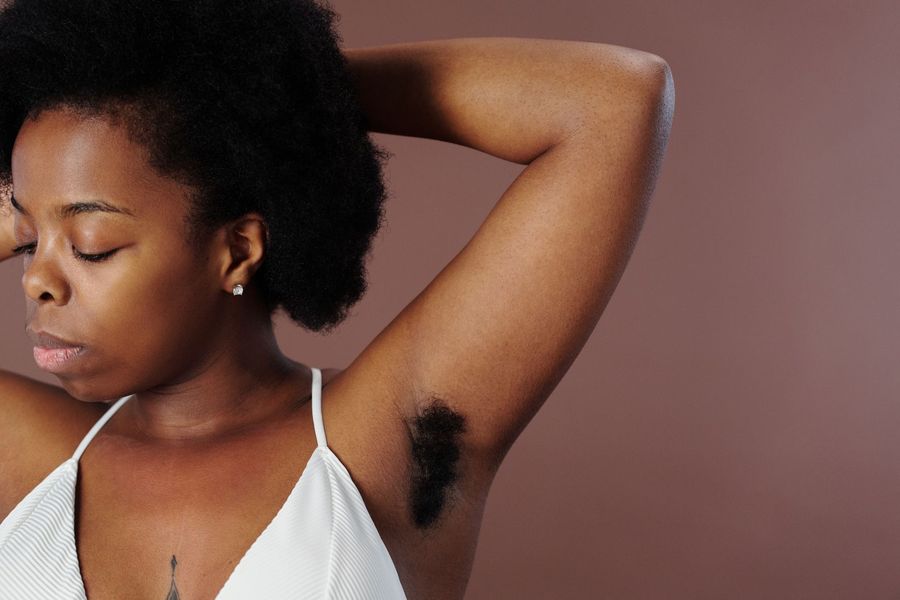
Sweating through a shirt in a meeting, avoiding handshakes, ruining shoes: excessive sweating is a real quality-of-life problem, and it has one of the most dependable fixes in aesthetic medicine. Botox for sweating has been in use for two decades, is approved for underarm hyperhidrosis, and for the large majority of people who try it the reduction is large and significant, a genuine game changer.

The mechanism is simple. Sweat glands switch on when a nerve tells them to. Botox blocks that signal at the nerve ending. No signal, no sweat, in exactly the area treated and nowhere else.

What treatment is like

The provider maps the sweaty area, sometimes using a starch-iodine test that turns sweat dark so the injections land where they matter, then places a grid of small injections across it. Underarms take about ten minutes and feel like a series of quick pinches. Palms and soles are more sensitive and usually get numbing cream, ice, or a vibration device first. There is no downtime beyond skipping the gym and deodorant for the rest of the day.

Dryness starts within a few days and is complete by two weeks. Underarms then typically stay dry for six to twelve months, palms and soles for four to six. Most people book once or twice a year and describe it as one of the best things they have spent money on.

Underarms, hands, feet, face

Underarms are the standard and the most satisfying, with the longest results and the easiest treatment. Palms work well and are life-changing for people whose hands sweat, with the trade that injections there sting and some people notice mild, temporary weakness in grip. Soles respond similarly. The hairline and forehead can be treated for people whose scalp or face sweats heavily, with care to keep the brow muscles moving normally.

What it costs

The number of units is the driver. Underarms need a substantial dose per side, so a treatment commonly runs several hundred dollars; hands and feet are similar. Insurance may cover treatment for diagnosed hyperhidrosis after prescription antiperspirants have failed, but that path usually runs through a dermatologist. For most people treating at a clinic, it is an out-of-pocket cost of roughly the price of a good pair of shoes, once or twice a year.

How to choose a provider

Ask whether they map the sweat area before injecting; it makes a real difference to coverage. Ask how many units they use for the area and what that includes in the price. And ask how they handle palms if that is your concern, since comfort measures vary widely between clinics.

Browse the clinics below. Book for a day when you can skip the gym, and wear a shirt you do not mind a little marker on.

Your options

Treatments for excessive sweating, compared

Best-first, with honest notes on when each is the right call.

Treatment Typical cost Downtime When it's the right call
Botox $200–$600 per treatment area None. Return to normal activity right away The established treatment. Small injections across the sweaty area block the nerves that switch sweat glands on. Underarms respond best and longest; palms and soles work but sting more and wear off sooner. No downtime.
Laser Skin Resurfacing $500–$3,500 per session 1–2 days (non-ablative) up to 1–2 weeks (ablative) Not a sweating treatment on its own. Some clinics offer energy-based devices that permanently damage underarm sweat glands; ask about them by name if you want a longer-lasting option than Botox.
FAQ

Excessive Sweating: common questions

How long does Botox for sweating last?

Underarms typically stay dry for six to twelve months, longer than Botox for wrinkles because the sweat glands take longer to reconnect than muscles do. Palms and soles usually last four to six months. Most people treat once or twice a year.

Does it hurt, and is there downtime?

Underarm treatment is quick and mildly uncomfortable, around fifteen to twenty small injections per side. Palms and soles are more sensitive, and clinics often use numbing cream or ice first. You can go straight back to work; avoid heavy exercise and deodorant for the rest of the day.

What does it cost, and does insurance cover it?

Underarms typically run several hundred dollars per treatment because the area needs a fairly high number of units. Palms and soles cost similar or slightly more. Insurance sometimes covers Botox for diagnosed hyperhidrosis when prescription antiperspirants have failed, which usually goes through a dermatologist rather than a med spa. For cosmetic sweating, it is out of pocket.

Sources

Where this information comes from

Clinical facts on this page are checked against these primary sources.

  1. 1.BOTOX (onabotulinumtoxinA) injection, powder, lyophilized, for solution - Prescribing Information, U.S. National Library of Medicine (DailyMed), FDA-approved labelingConfirms BOTOX is FDA-approved for treatment of severe axillary (underarm) hyperhidrosis inadequately managed by topical agents, and that safety and effectiveness for hyperhidrosis in other body areas (palms, soles, face) have not been established, backing this page's framing of underarms as the established, approved use and palms, soles, and the hairline as treatments that work but sit outside that approval.
  2. 2.Hyperhidrosis: Diagnosis and treatment, American Academy of DermatologyConfirms botulinum toxin injections reduce sweat where injected, with results lasting about 3 to 10 months for underarms and hands, 3 to 6 months for feet, and about 4.5 months for the face, and that microwave thermolysis is an in-office device treatment that destroys sweat glands with heat, backing this page's duration ranges by body area and its mention of energy-based devices that permanently damage underarm sweat glands.
  3. 3.Botulinum toxin type A is a safe and effective treatment for axillary hyperhidrosis over 16 months: a prospective study, Archives of Dermatology (National Library of Medicine, PubMed)Found response rates (at least 50% reduction in sweat production) of 96.1%, 91.1%, and 83.3% after the first, second, and third treatments, with a mean interval of about 7 months between retreatments, backing this page's description of Botox for underarm sweating as one of the most dependable aesthetic treatments and its stated four-to-twelve-month duration per treatment.
Take the next step

Find Botox providers near you

Compare vetted clinics, real ratings, and local pricing in your city.

This page is for education, not medical advice or diagnosis. The right treatment depends on an in-person assessment by a qualified provider.