

Dr. Faisal Al-Mufarrej
Detroit
Financing available
Dr. Faisal Al-Mufarrej is a plastic surgery practice in Detroit, Michigan, rated 5 stars across 249 Google reviews, performing 23 tracked procedures.
View surgeon →
Surgery that removes breast tissue, fat, and skin to reduce size and relieve the neck, back, and shoulder pain that large breasts cause, and one of the few cosmetic operations insurance sometimes covers. Compare Detroit clinics below and request a free consultation.
$8,000–$15,000
per procedure · USD
A general range for Detroit, rounded for guidance. Confirm exact pricing with each clinic.
Plastic surgeons in Detroit who list breast reduction among their procedures. Tap any surgeon to view details and request a consultation.
Detroit
Financing available
Dr. Faisal Al-Mufarrej is a plastic surgery practice in Detroit, Michigan, rated 5 stars across 249 Google reviews, performing 23 tracked procedures.

Detroit
DeRosa Plastic Surgery - Amy P. DeRosa, DO is a plastic surgery practice in Detroit, Michigan, rated 4.9 stars across 158 Google reviews, performing 17 tracked procedures.

Detroit
Griffin Plastic Surgery is a plastic surgery practice in Detroit, Michigan, rated 4.9 stars across 129 Google reviews, performing 8 tracked procedures.
Detroit
Financing available
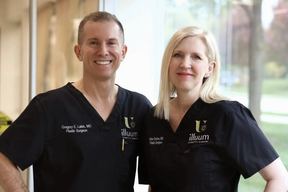
Illuum Cosmetic Surgery is a plastic surgery practice in Detroit, Michigan, rated 5 stars across 116 Google reviews, performing 24 tracked procedures.

Detroit
Financing available
Your Girlfriend The Plastic Surgeon is a plastic surgery practice in Detroit, Michigan, rated 4.9 stars across 90 Google reviews, performing 20 tracked procedures.

Detroit
Financing available
Cosmetic Surgeons of Michigan, PC is a plastic surgery practice in Detroit, Michigan, rated 5 stars across 87 Google reviews, performing 14 tracked procedures.

Detroit
Renaissance Plastic Surgery is a plastic surgery practice in Detroit, Michigan, rated 4.8 stars across 367 Google reviews, performing 18 tracked procedures.

Detroit
Financing available
Birmingham Cosmetic Surgery | Dr. Rifai is a plastic surgery practice in Detroit, Michigan, rated 4.7 stars across 180 Google reviews, performing 20 tracked procedures.
Surgery that removes breast tissue, fat, and skin to reduce size and relieve the neck, back, and shoulder pain that large breasts cause, and one of the few cosmetic operations insurance sometimes covers.
One procedure, results are long lasting at stable weight
1 to 2 weeks off work, 6 weeks before full exercise
People with physical symptoms from breast size including back and neck pain, shoulder grooving from bra straps, rashes beneath the breasts, or difficulty exercising
14 plastic surgery practices in the Detroit area list breast reduction. From Google Places listings; hours and locations change, so confirm with the practice.
What 14 Detroit practices that list breast reduction say on their own websites (checked September 2026); one that does not mention something may still offer it, so ask at your consultation.
Breast reduction surgery is typically performed under general anesthesia, meaning the patient is completely asleep.
At our Troy office, Dr. DeLuca-Pytell offers two types of breast reduction procedures: the inverted T/anchor scar or the vertical/lollipop scar.
Because breast reduction surgery is an outpatient procedure, you will be able to return home within a few hours and immediately feel the difference in breast size after your reduction.
A breast reduction surgery is performed under anesthesia.
Breast reductions are performed under general anesthesia on an outpatient basis. Once anesthesia has taken effect, incisions are made in a variety of patterns depending on the goal results.
Dr. Lakin, our plastic surgeon, will make an incision around the areola and down the breast, then remove the excess fatty tissue and skin. The size and shape of the incision will vary depending on the extent of the breast reduction and the patient’s anatomy.
For women suffering from pain in their back, neck, and shoulders, a breast reduction provides almost instant relief from the strain of their overly large breasts on their body.
The results of a breast reduction are permanent. However, it is important to remember that aging and weight gain or loss may still alter breast shape and size.
In some cases, breast reduction may be partially or totally covered by health insurance.
A general anesthetic is typically used for breast reduction, so you’ll be asleep during the procedure. Surgical techniques vary, but often involve an anchor or inverted T shaped incision.
A breast reduction surgery usually requires 2-4 hours to complete. Recovery time is about 2 weeks, and you’ll need to wear a special surgical bra.
A breast reduction always combines removal of excess skin and breast tissue with a breast lift. Traditionally, this has been performed with a scar around the areola, and then in an upside-down T-shape. The scar fades with time, over approximately 6 months to 1 year.
comfortably fall asleep under general anesthesia. A breast reduction surgery typically takes two to five hours
All breast reduction candidates must be 18 years or older and in good health with no pre-existing medical conditions that could create complications.
A breast reduction always combines removal of excess skin and breast tissue with a breast lift. Traditionally, this has been performed with a scar around the areola, and then in an upside-down T-shape. The scar fades with time, over approximately 6 months to 1 year.
Depending on your individual situation and insurance requirements, your health insurance may cover the costs of your breast reduction surgery. Unfortunately, Dr. Youn is no longer taking new insurance patients, but does perform the surgery as a cosmetic procedure.
Breast reduction removes excess breast tissue and fat, then reshapes what remains to create a better contour and proportion.
Breast Reduction generally runs $8,000–$15,000 per procedure, and each Detroit clinic sets its own price. The biggest variables are the provider's experience level and the specific device or product used. Newer technology and senior injectors price at the upper end. Pricing is quoted in US dollars (USD). Request a consultation from any of our listed Detroit clinics for a personalized quote.
Maintenance schedules vary. Most Detroit providers recommend periodic refresh sessions every 6–12 months once optimal results are achieved.
Most patients wait 24 hours before applying makeup to avoid irritation on freshly-treated skin.
Often, and more often than patients expect, but carriers set specific criteria. Typically they want documented symptoms such as back, neck, or shoulder pain, evidence you have tried conservative measures like physical therapy or supportive garments, and sometimes a minimum amount of tissue to be removed based on your height and weight. Photographs are usually required. Start the process early because approval can take weeks, and ask the surgeon's office whether they handle the pre-authorization, since experienced offices do this routinely.
Surgeons discuss this in grams removed rather than cup sizes, because cup sizing is not standardized across brands. Most patients go down two to three cup sizes. The goal is proportion to your frame rather than a specific letter, and the surgeon also balances how much tissue insurance may require removed against what looks right for your body. Bring photos of the outcome you have in mind.
Breast reduction consistently records among the highest satisfaction rates of any surgical procedure, cosmetic or otherwise, in published outcome studies. The reason is that it solves a functional problem and a cosmetic one simultaneously. Patients frequently describe the relief from physical symptoms as more significant than the change in appearance.
Some patients can and some cannot, and it is difficult to predict individually. Reduction removes glandular tissue and repositions the nipple, both of which can affect milk production and duct continuity. If you plan to breastfeed in future, discuss it explicitly, because certain techniques preserve more of the ductal system, and some patients choose to delay surgery until after childbearing.
Most reductions use either a vertical lollipop pattern or an anchor pattern including a scar along the fold. They are permanent. Patients in this operation are, in general, notably accepting of scars because the symptom relief is so significant, but you should see photographs of typical scar outcomes at consultation so nothing surprises you afterward.
Explore other treatments and clinics available locally.
All Detroit treatments & clinics