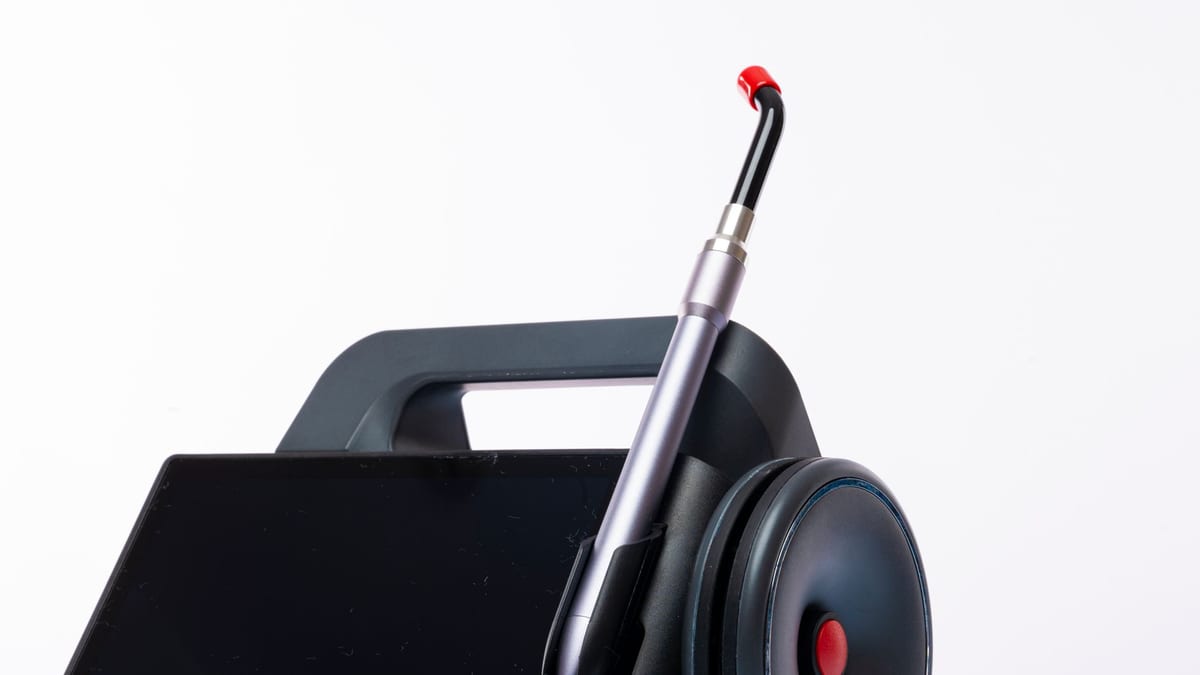
Non-Surgical Skin Tightening: Morpheus8 vs. Ultherapy vs. Sofwave vs. Laser
A buyer's guide to non-surgical skin tightening. Compare Morpheus8, Ultherapy, Sofwave, and laser resurfacing by how they work, downtime, results, and who each is best for.
If you want firmer skin without surgery, you’ll quickly run into four names: Morpheus8, Ultherapy, Sofwave, and laser resurfacing. They all tighten skin by stimulating collagen, but they work at different depths, with different downtime and ideal candidates. Here’s how to choose.
Quick comparison
| Treatment | How it works | Downtime | Best for |
|---|---|---|---|
| Morpheus8 | RF microneedling: needles + radiofrequency heat remodel deep skin | 1–5 days redness | Laxity + texture, acne scars, pores; safe for most skin tones |
| Ultherapy | Micro-focused ultrasound to deep (SMAS) layer | None | Lifting the brow, chin, neck; the only device FDA-cleared to “lift” |
| Sofwave | Ultrasound focused on the mid-dermis | None | Early laxity, fine lines, overall firmness; comfortable |
| Laser resurfacing | Light energy removes/heats skin layers | 1–14 days (device-dependent) | Sun damage, wrinkles, scars, tone + texture |
Match the treatment to your concern
- Sagging jawline, brow, or neck → Ultherapy. It reaches the foundational SMAS layer (the one tightened in a facelift) and is uniquely cleared to lift. Expect gradual results over 2–3 months.
- Laxity plus texture, scars, or pores → Morpheus8. RF microneedling tightens and improves the skin’s surface, and it’s safer across skin tones. Plan for a series of three.
- Early laxity, fine lines, comfort matters → Sofwave. A gentler ultrasound option that firms and smooths the mid-layer with no downtime.
- Sun damage, wrinkles, uneven tone → Laser resurfacing. The strongest tool for surface rejuvenation, with downtime that scales with intensity.
How to choose
- Define your #1 concern: lifting, texture, sun damage, or overall firmness.
- Consider your downtime tolerance. Ultherapy and Sofwave have essentially none; Morpheus8 has a few days; ablative laser can mean a week or more.
- Factor in your skin tone. RF-based Morpheus8 is generally the safest for deeper complexions.
- See an experienced provider. With all of these, operator skill is the biggest driver of safe, natural-looking results. A good provider may even recommend combining treatments.
The bottom line
There’s no single “best”: there’s the best for you. Lifting points to Ultherapy; texture and scars point to Morpheus8; gentle firming points to Sofwave; surface damage points to laser. Compare a couple of providers, ask what they’d recommend for your specific skin, and get a clear plan and quote.
Explore skin tightening, Morpheus8, and laser skin resurfacing to find clinics near you.
Compare skin-tightening providers
Compare your options: see the Morpheus8, skin tightening, and laser skin resurfacing overviews, or browse locally in Phoenix, Miami, and Dallas. For Morpheus8 pricing specifically, read the Morpheus8 cost guide.
Find a Skin Tightening clinic near you
See the clinics in your city that offer it, compare reviews, and request a free consultation.
Your location is used once to pick the nearest city and is never stored.
Treatments mentioned in this guide
Common questions
Which non-surgical skin tightening treatment lasts longest?
Results are broadly comparable (generally a year or more) because all of these treatments work by stimulating your own collagen. Ultherapy reaches the deepest foundational layer and is the only one FDA-cleared to lift. The "best" option depends on your skin, your concern, and your tolerance for downtime, not just longevity.
Can these replace a facelift?
No. Non-surgical skin tightening is best for mild to moderate laxity and early sagging. It can delay or soften the need for surgery and refresh the jawline and neck, but it can't match a facelift for significant excess skin.
Which is best for darker skin tones?
Radiofrequency-based options like Morpheus8 are generally safer for deeper skin tones because they target depth rather than pigment. Traditional resurfacing lasers carry a higher risk of pigment changes on darker complexions. Always consult an experienced provider about the safest option for your skin.
Where this information comes from
Clinical facts on this page are checked against these primary sources.
- 1.510(k) Premarket Notification Clearance Letter and Summary: Ulthera System (K134032), U.S. Food and Drug AdministrationThat the Ulthera System (Ultherapy) is FDA-cleared to lift the eyebrow and lift lax submental and neck tissue using focused ultrasound directed to a specified depth, backing the table's description of Ultherapy reaching the deep (SMAS) layer to lift the brow, chin, and neck.
- 2.510(k) Premarket Notification Clearance Letter and Summary: SofWave System (K232455), U.S. Food and Drug AdministrationThat the SofWave System generates high-frequency ultrasonic pulses that heat the dermis layer and is indicated to improve facial lines and wrinkles and lift the eyebrow and submental/neck tissue, backing the table's description of Sofwave as ultrasound focused on the mid-dermis for early laxity and firmness.
- 3.Ultrasound Therapy for Sagging Skin, American Society for Dermatologic SurgeryThat ultrasound skin tightening is typically used on the brow, neck, and under the chin, and that the ultimate lifting and toning develops over the following two to three months, backing the guide's statement to expect gradual Ultherapy results over 2 to 3 months.
- 4.510(k) Clearance K240017: InMode System with the Morpheus8 90 Applicator, U.S. Food and Drug AdministrationThat the device is cleared for procedures where coagulation/contraction of soft tissue is needed via radiofrequency, backing the table's description of Morpheus8 as needles plus radiofrequency heat that remodels deep skin.
- 5.Microneedling can fade scars, uneven skin tone, and more, American Academy of DermatologyThat radiofrequency microneedling is safe for all skin tones, backing the guide's statement that Morpheus8 is safe for most skin tones and generally safer for deeper complexions.
- 6.Ablative Laser Resurfacing, National Library of Medicine, StatPearls (National Institutes of Health)That CO2 lasers carry a higher rate of dyspigmentation than Erbium:YAG and that non-fractional CO2 is not recommended for Fitzpatrick skin phototype IV or higher, backing the guide's statement that traditional resurfacing lasers carry a higher risk of pigment changes on darker complexions.
Ready to talk to a clinic?
Tell us what you are considering and we will match you with a clinic in your city. Free, no obligation, and we never sell your data.
Or browse clinics by city and all treatments.
Request received
Thanks, we've got your details. If we can match you right away, the clinic's name and phone number are in your inbox within a few minutes. Either way, a matched clinic reaches out to confirm pricing and next steps.
Request a free consultation
A matched clinic reaches out. No obligation.