Seidel + Martin Plastic Surgery & MedSpa
Huntsville
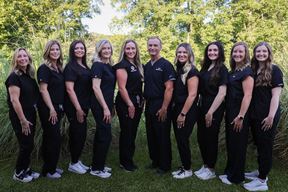
Seidel + Martin Plastic Surgery & MedSpa is a plastic surgery practice in Huntsville, Alabama, rated 4.9 stars across 371 Google reviews, performing 8 tracked procedures.
View surgeon →
Surgery that removes excess abdominal skin and repairs separated abdominal muscles, addressing what no amount of exercise can fix after pregnancy or major weight loss. Compare Huntsville clinics below and request a free consultation.
$8,000–$16,000
per procedure · USD
A general range for Huntsville, rounded for guidance. Confirm exact pricing with each clinic.
Plastic surgeons in Huntsville who list tummy tuck among their procedures. Tap any surgeon to view details and request a consultation.
Huntsville
Seidel + Martin Plastic Surgery & MedSpa is a plastic surgery practice in Huntsville, Alabama, rated 4.9 stars across 371 Google reviews, performing 8 tracked procedures.
Huntsville
Financing available
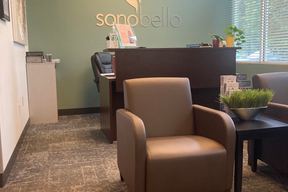
Sono Bello Huntsville is a plastic surgery practice in Huntsville, Alabama, rated 4.9 stars across 349 Google reviews, performing 6 tracked procedures.
Huntsville
Nease Cosmetic Surgery is a plastic surgery practice in Huntsville, Alabama, rated 4.8 stars across 54 Google reviews, performing 20 tracked procedures.
Huntsville
Financing available
Dr. Michael D. Yates is a plastic surgery practice in Huntsville, Alabama, rated 4.9 stars across 30 Google reviews, performing 16 tracked procedures.
Huntsville
Financing available
Dunagan, Yates & Alison Plastic Surgery Center is a plastic surgery practice in Huntsville, Alabama, rated 4.4 stars across 96 Google reviews, performing 16 tracked procedures.
Surgery that removes excess abdominal skin and repairs separated abdominal muscles, addressing what no amount of exercise can fix after pregnancy or major weight loss.
One procedure, results are long lasting with stable weight
2 to 3 weeks off work, 6 to 8 weeks before full exercise, a permanent hip-to-hip scar
People at a stable weight with loose abdominal skin or separated abdominal muscles, most commonly after pregnancy or significant weight loss, who have finished having children
5 plastic surgery practices in the Huntsville area list tummy tuck. From Google Places listings; hours and locations change, so confirm with the practice.
What both Huntsville practices that list tummy tuck say on their own websites (checked September 2026); one that does not mention something may still offer it, so ask at your consultation.
Abdominoplasty removes excess skin folds and fatty tissue from the abdominal area and tightens abdominal muscles, if needed.
Frequently we combine a tummy tuck procedure with liposuction. Suctioning in the abdominal area provides a nice finish by creating more muscle definition restoring natural contours.
Tummy Tuck generally runs $8,000–$16,000 per procedure, and each Huntsville clinic sets its own price. The biggest variables are the provider's experience level and the specific device or product used. Newer technology and senior injectors price at the upper end. Pricing is quoted in US dollars (USD). Request a consultation from any of our listed Huntsville clinics for a personalized quote.
Initial results in 2–4 weeks, with full results developing over 3 months as collagen builds. Huntsville providers typically schedule follow-ups to track progress.
Maintenance schedules vary. Most Huntsville providers recommend periodic refresh sessions every 6–12 months once optimal results are achieved.
A full tummy tuck addresses the entire abdomen above and below the navel, repairs muscle separation along the full length, and requires repositioning the belly button. A mini tummy tuck only treats the area below the navel, uses a shorter scar, and does not move the belly button, but it also cannot fix laxity or muscle separation above it. Most people who want a mini turn out to need a full one, and a surgeon who tells you that is being honest rather than upselling.
There is a permanent scar running hip to hip, low enough to sit beneath underwear or a swimsuit in most cases, plus a small scar around the navel with a full tummy tuck. It is red and raised for several months, then fades over one to two years to a thin pale line in most patients. People prone to keloid or hypertrophic scarring should raise that at consultation. Anyone promising a scarless tummy tuck is describing a different operation.
You can, but surgeons generally advise against it. A subsequent pregnancy stretches the repaired muscles and skin again, which can undo the result and mean a second operation. It is not dangerous to become pregnant after a tummy tuck, but it is expensive to redo. If you plan more children in the near future, waiting is usually the better financial and surgical decision.
The cosmetic portion is not covered. In specific cases insurance may cover a related procedure called a panniculectomy, which removes a hanging apron of skin when it causes documented rashes, infections, or functional problems, most often after major weight loss. That is not the same operation as a tummy tuck and does not include muscle repair or contouring. Ask your surgeon's office to explore it if you have documented skin problems.
This is one of the more uncomfortable cosmetic operations, particularly when muscle repair is included, and the first week is genuinely difficult. Patients describe intense tightness rather than sharp pain, and most cannot stand fully upright for several days. Pain management has improved considerably with long-acting local anesthetics, and many surgeons now use them specifically to reduce opioid needs. Plan for real help at home for at least the first week.
Explore other treatments and clinics available locally.
All Huntsville treatments & clinics