Featured
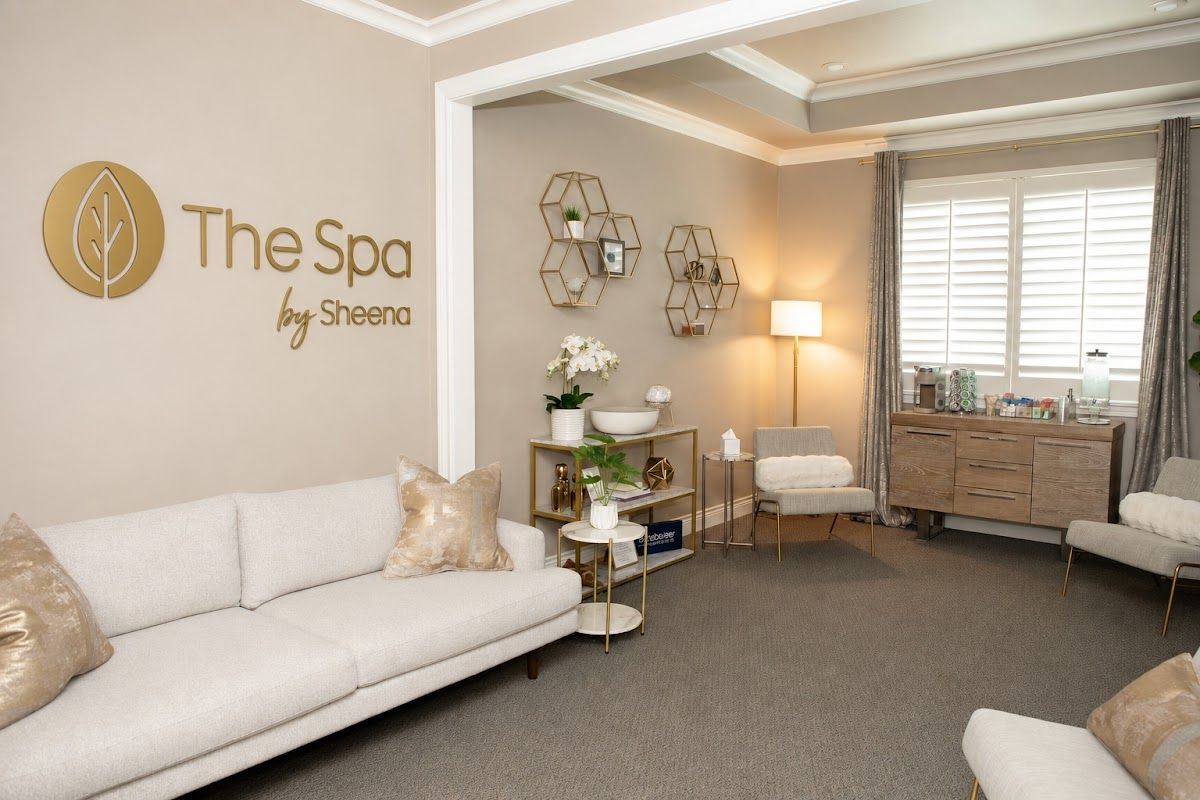
The Spa by Sheena
Milwaukee Avenue · Lubbock
The Spa by Sheena is a full-menu med spa on Lubbock's Milwaukee Avenue corridor, rated 5★ across 586 Google reviews — one of the strongest-reviewed aesthetic practices in West Texas. Services span injectables (Botox, Dysport, dermal and lip fillers, Sculptra, Kybella), laser hair removal, BBL photofacials, microneedling and PRP, chemical peels, medical weight loss, and IV therapy, serving Lubbock and the wider South Plains.
View clinic →
Book Visit website