
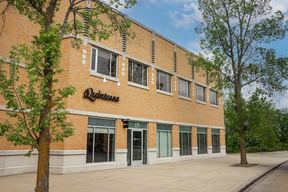
Quintessa Aesthetic Center
Madison
Quintessa Aesthetic Center is a plastic surgery practice in Madison, Wisconsin, rated 4.9 stars across 200 Google reviews, performing 22 tracked procedures.
View surgeon →
Surgery that removes or repositions excess skin and fat around the eyes, addressing hooded upper lids and under-eye bags that no injectable can fix. Compare Madison clinics below and request a free consultation.
$3,200–$7,500
per procedure · USD
A general range for Madison, rounded for guidance. Confirm exact pricing with each clinic.
Only two plastic surgeons in Madison list blepharoplasty among their procedures. Here they are, with a link to every surgeon in the city.
Madison
Quintessa Aesthetic Center is a plastic surgery practice in Madison, Wisconsin, rated 4.9 stars across 200 Google reviews, performing 22 tracked procedures.
Madison
Financing available
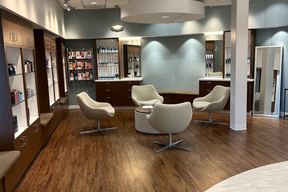
Robertson Cosmetic Center is a plastic surgery practice in Madison, Wisconsin, rated 4.8 stars across 92 Google reviews, performing 11 tracked procedures.
Surgery that removes or repositions excess skin and fat around the eyes, addressing hooded upper lids and under-eye bags that no injectable can fix.
One procedure, results generally last 10 to 15 years or longer
7 to 10 days of visible bruising and swelling, most people return to work in about a week
People with hooded upper eyelids that affect appearance or vision, or lower-lid fat pads that create permanent under-eye bags no cream or filler resolves
What both Madison practices that list blepharoplasty say on their own websites (checked September 2026); one that does not mention something may still offer it, so ask at your consultation.
Upper blepharoplasty involves the gentle removal of excess skin and, in some cases, muscle or fat from the upper eyelid.
An eyelid lift, also known as blepharoplasty, rejuvenates the upper eyelids, lower eyelids, or both.
Blepharoplasty may be performed on the upper eyelids , lower eyelids , or both, depending on your goals.
an eyelid lift in Milwaukee can help. Under the expertise of board-certified facial plastic surgeons Dr. Andrew Campbell and Dr. Jake Thayer, you can restore brighter, smoother, more alert-looking eyes.
Blepharoplasty generally runs $3,200–$7,500 per procedure, and each Madison clinic sets its own price. The biggest variables are the provider's experience level and the specific device or product used. Newer technology and senior injectors price at the upper end. Pricing is quoted in US dollars (USD). Request a consultation from any of our listed Madison clinics for a personalized quote.
Initial results in 2–4 weeks, with full results developing over 3 months as collagen builds. Madison providers typically schedule follow-ups to track progress.
Maintenance schedules vary. Most Madison providers recommend periodic refresh sessions every 6–12 months once optimal results are achieved.
Pull the skin under your eye gently downward and outward while looking in a mirror. If the darkness or shadow disappears, you are dealing with a hollow or a contour issue, which filler can often address. If a bulge remains or the skin itself is loose and crepey, that is tissue, and only surgery removes tissue. Upper lids follow the same logic: if skin rests on your lashes or folds over the crease, no injectable will lift it meaningfully.
Sometimes, for upper eyelids only, and only when the hooding is severe enough to obstruct vision. That requires a documented visual field test showing the obstruction, performed by an ophthalmologist or optometrist. Lower blepharoplasty is considered cosmetic in essentially all cases. Ask the surgeon's office to run the insurance verification before you assume either way, because the answer varies by carrier and by how much field loss the test shows.
Upper blepharoplasty results typically hold for 10 to 15 years, and many patients never need a revision. Lower blepharoplasty is often effectively permanent for the fat that was removed, since those fat pads do not regrow. What continues is normal aging of the surrounding skin, which is why some patients pair surgery with resurfacing or continue with skincare afterward.
Temporary dry eye is the most common complaint and usually resolves within weeks. Less common issues include asymmetry between the two sides, visible scarring in patients prone to it, and in lower-lid surgery, a pulled-down appearance to the lid margin called ectropion, which is uncommon in experienced hands but is the main reason lower blepharoplasty rewards surgeon selection. Serious complications affecting vision are rare. Discuss your specific risk factors, including dry eye history and thyroid conditions, at consultation.
Both plastic surgeons certified by the American Board of Plastic Surgery and oculoplastic surgeons, who are ophthalmologists with additional fellowship training in eyelid and orbital surgery, perform this operation regularly. For lower-lid work in particular, oculoplastic training is a genuine advantage worth asking about. Either way, confirm the certification directly rather than relying on a website description.
Explore other treatments and clinics available locally.
All Madison treatments & clinics