Sono Bello Oklahoma City
Oklahoma City
Financing available
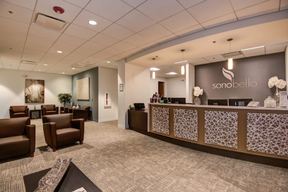
Sono Bello Oklahoma City is a plastic surgery practice in Oklahoma City, Oklahoma, rated 4.9 stars across 1,381 Google reviews, performing 6 tracked procedures.
View surgeon →
Surgery to correct the result of a previous rhinoplasty, whether the problem is appearance (a pinched tip, a collapsed or over-resected bridge, asymmetry) or breathing. Harder than the first operation because of scar tissue and missing cartilage, usually needing grafts from the ear or rib, and best done by a surgeon who does it routinely, at least a year after the original. Compare Oklahoma City clinics below and request a free consultation.
$12,000–$30,000
per procedure · USD
A general range for Oklahoma City, rounded for guidance. Confirm exact pricing with each clinic.
Ranked plastic surgeons in Oklahoma City. Confirm that a surgeon performs revision rhinoplasty when you book your consultation, since procedure menus change.
Oklahoma City
Financing available
Sono Bello Oklahoma City is a plastic surgery practice in Oklahoma City, Oklahoma, rated 4.9 stars across 1,381 Google reviews, performing 6 tracked procedures.
Oklahoma City
Financing available
Michell Cohn, DO - Cosmetic Surgical Arts and Rejuvenation Of Oklahoma is a plastic surgery practice in Oklahoma City, Oklahoma, rated 4.9 stars across 277 Google reviews, performing 7 tracked procedures.
Oklahoma City
Financing available
Dr. Robert Rhodes, MD is a plastic surgery practice in Oklahoma City, Oklahoma, rated 5 stars across 269 Google reviews, performing 7 tracked procedures.
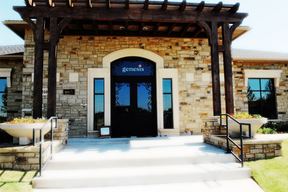
Oklahoma City
Financing available
Genesis Plastic Surgery & Medical Spa is a plastic surgery practice in Oklahoma City, Oklahoma, rated 4.9 stars across 215 Google reviews, performing 15 tracked procedures.

Oklahoma City
Diana Tamboli M.D. is a plastic surgery practice in Oklahoma City, Oklahoma, rated 5 stars across 202 Google reviews, performing 1 tracked procedures.

Oklahoma City
Shadfar Facial Plastic Surgery is a plastic surgery practice in Oklahoma City, Oklahoma, rated 5 stars across 161 Google reviews, performing 7 tracked procedures.
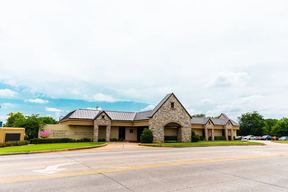
Oklahoma City
Financing available
Cosmetic Surgery Affiliates is a plastic surgery practice in Oklahoma City, Oklahoma, rated 4.8 stars across 672 Google reviews, performing 18 tracked procedures.
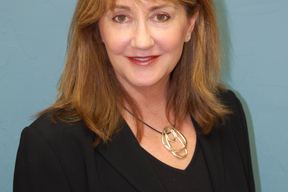
Oklahoma City
Financing available
Lisa D Taylor, MD Plastic Surgery is a plastic surgery practice in Oklahoma City, Oklahoma, rated 4.8 stars across 194 Google reviews, performing 21 tracked procedures.
Surgery to correct the result of a previous rhinoplasty, whether the problem is appearance (a pinched tip, a collapsed or over-resected bridge, asymmetry) or breathing. Harder than the first operation because of scar tissue and missing cartilage, usually needing grafts from the ear or rib, and best done by a surgeon who does it routinely, at least a year after the original.
One operation of 3 to 5 hours, almost always open; wait at least 12 months after the previous surgery
Splint for 1 week, 10 to 14 days off work, swelling settling over months, final result at 12 to 18 months (longer than a primary)
Adults at least a year past a rhinoplasty whose nose has a clear structural or functional problem the surgeon can name (collapsed tip or bridge, over-resected hump, pinched nostrils, deviation, obstruction), who understand that improvement rather than perfection is the goal and that grafts will likely be needed
Revision Rhinoplasty generally runs $12,000–$30,000 per procedure, and each Oklahoma City clinic sets its own price. The biggest variables are the provider's experience level and the specific device or product used. Newer technology and senior injectors price at the upper end. Pricing is quoted in US dollars (USD). Request a consultation from any of our listed Oklahoma City clinics for a personalized quote.
Initial results in 2–4 weeks, with full results developing over 3 months as collagen builds. Oklahoma City providers typically schedule follow-ups to track progress.
Maintenance schedules vary. Most Oklahoma City providers recommend periodic refresh sessions every 6–12 months once optimal results are achieved.
Less common than the internet suggests and more common after a revision than after a first operation. In a cohort of 175,842 septorhinoplasty patients followed for at least three years, 3.3 percent had a revision: 3.1 percent after a primary operation and 11.0 percent after a secondary one. Rates were higher when the first operation involved cartilage or tip work (8.1 percent), bone work (7.3 percent) or septal work (7.2 percent), and in teenagers. Surgeons' own quoted figures of 5 to 15 percent include minor touch-ups and dissatisfaction that never reaches a second operation.
Three reasons the ASPS spells out. The baseline anatomy has been altered, so the surgeon is not working from a known map. Scar tissue from the first operation replaces the natural planes between skin, cartilage and bone, and it can limit the final result and recur. And the cartilage the surgeon needs to rebuild with is often gone: septal cartilage was used or removed the first time, so the ear and sometimes the rib supply the graft. Add a patient who has already been disappointed once, and the operation demands more skill, more time and more honesty than a primary.
Not before the first result has finished settling, which for a nose means at least twelve months, and longer for thick skin or a tip that is still changing. Swelling at three or six months hides what the final shape will be, and operating into unhealed tissue makes scarring worse. Breathing problems from an obvious collapse are the exception a surgeon may address sooner. Use the year to collect your records: the operative report from the first surgery tells the revision surgeon what was removed and what is left to work with.
$12,000 to $30,000 in the US, all-in, roughly double a primary rhinoplasty, because the operation is longer, is almost always open, usually needs a graft harvested from the ear or rib, and is done by surgeons with a revision practice. Rib graft cases sit at the top of the range. Some of the original surgeon's fee may be waived if they do the revision themselves, which is worth asking about but is not always the right choice. Insurance may cover the functional part when breathing is documented as obstructed. Canadian prices track similar figures in dollars.
The septum, if any is left, is the first choice because it is straight and easy to carve. The ear (conchal cartilage) is the usual second source, taken through an incision behind the ear that leaves no visible change to the ear's shape. The rib is used when a lot of structure has to be rebuilt, at the cost of a small chest incision and a stiffer, more exacting graft; in the large cohort study, rib graft use was associated with a higher chance of yet another revision (adjusted odds ratio 3.31), which reflects both the difficulty of those cases and the graft itself. Preserved donor rib cartilage exists as an alternative and avoids the chest incision.
Often, when the problem is structural: internal valve collapse from over-resected side walls, a pinched tip from over-narrowing, or a septum left deviated. Those are exactly the problems grafts are designed to fix, by rebuilding the support that was removed. Have a surgeon examine the airway, not just the profile; the functional and the cosmetic problems usually share a cause.
The rhinoplasty list from the ASPS applies: anesthesia complications, bleeding, infection, altered sensation, septal perforation, breathing changes, asymmetry, an unsatisfactory result and the possibility of another revision. Revision adds graft-specific risks (warping or visibility of a rib graft, contour change at the ear donor site), thicker scar in a nose operated on before, and a higher baseline chance of a third operation: 11 percent in the cohort data, versus 3 percent after a primary. Realistic goals matter more here than anywhere else in facial surgery: improvement, not perfection.
Explore other treatments and clinics available locally.
All Oklahoma City treatments & clinics