

Maine Plastic Surgery Center
Portland
Financing available
Maine Plastic Surgery Center is a plastic surgery practice in Portland, Maine, rated 4.9 stars across 434 Google reviews, performing 19 tracked procedures.
View surgeon →
Surgical removal of the pannus, the apron of skin and fat that hangs over the pubic area after major weight loss or pregnancy, without the muscle repair or navel repositioning of a tummy tuck. Often a medical rather than cosmetic operation, and the one abdominal surgery insurance may cover when rashes, infections and mobility problems are documented. Compare Portland clinics below and request a free consultation.
$8,000–$18,000
per procedure (self-pay) · USD
A general range for Portland, rounded for guidance. Confirm exact pricing with each clinic.
Ranked plastic surgeons in Portland. Confirm that a surgeon performs panniculectomy when you book your consultation, since procedure menus change.
Portland
Financing available
Maine Plastic Surgery Center is a plastic surgery practice in Portland, Maine, rated 4.9 stars across 434 Google reviews, performing 19 tracked procedures.

Portland
Vein Healthcare Center is a plastic surgery practice in Portland, Maine, rated 4.9 stars across 183 Google reviews.

Portland
Financing available
Jason Gardenier MD is a plastic surgery practice in Portland, Maine, rated 5 stars across 158 Google reviews, performing 18 tracked procedures.

Portland
Financing available
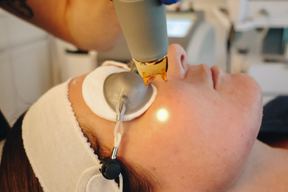
Skin Solutions from Plastic & Hand is a plastic surgery practice in Portland, Maine, rated 4.9 stars across 79 Google reviews.
Portland
Confident Med Spa (Purely Skin) is a plastic surgery practice in Portland, Maine, rated 4.9 stars across 37 Google reviews.

Portland
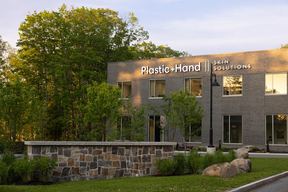
Elle Medical Aesthetics: Boutique Injectable and Skin Care Studio is a plastic surgery practice in Portland, Maine, rated 5 stars across 28 Google reviews.
Portland
Financing available
Plastic & Hand Surgical Associates is a plastic surgery practice in Portland, Maine, rated 4.5 stars across 232 Google reviews, performing 16 tracked procedures.

Portland
Financing available
Holland Plastic Surgery & Aesthetics is a plastic surgery practice in Portland, Maine, rated 4.6 stars across 52 Google reviews, performing 17 tracked procedures.
Surgical removal of the pannus, the apron of skin and fat that hangs over the pubic area after major weight loss or pregnancy, without the muscle repair or navel repositioning of a tummy tuck. Often a medical rather than cosmetic operation, and the one abdominal surgery insurance may cover when rashes, infections and mobility problems are documented.
One operation of 2 to 4 hours, sometimes with an overnight stay; permanent if weight stays stable
2 to 4 weeks off work, 6 to 8 weeks off lifting, drains for 1 to 2 weeks, scar maturing over a year
Adults at a stable weight for at least six months, usually after bariatric surgery or major weight loss, whose hanging apron of skin causes recurring rashes or infections in the fold, interferes with walking, hygiene or clothing, or covers the pubic area; also people who want the overhang gone and accept a lower-abdominal scar without the reshaping of a tummy tuck
Panniculectomy generally runs $8,000–$18,000 per procedure (self-pay), and each Portland clinic sets its own price. The biggest variables are the provider's experience level and the specific device or product used. Newer technology and senior injectors price at the upper end. Pricing is quoted in US dollars (USD). Request a consultation from any of our listed Portland clinics for a personalized quote.
Initial results in 2–4 weeks, with full results developing over 3 months as collagen builds. Portland providers typically schedule follow-ups to track progress.
Most patients wait 24 hours before applying makeup to avoid irritation on freshly-treated skin.
A panniculectomy removes the pannus, the apron of skin and fat hanging over the pubic area, as a wedge, and closes the wound. It does not tighten the abdominal muscles, move the navel or lift and reshape the upper abdomen, which is what a tummy tuck (abdominoplasty) does. So a panniculectomy relieves the weight and the rash-prone fold, while a tummy tuck flattens and contours. The two are often combined: the American Society of Plastic Surgeons notes a cosmetic abdominoplasty is sometimes performed at the time of a functional panniculectomy, with the cosmetic part billed separately. Many surgeons will do the muscle repair and contouring as a self-pay add-on to an insured panniculectomy.
Sometimes, and it is the only abdominal contouring operation where that is realistic. Insurers generally require that the pannus hangs at or below the pubic area, that it causes documented problems such as recurring rashes or skin infections in the fold that have not resolved with at least three months of medical treatment, or that it interferes with walking, hygiene or daily activities, and that weight has been stable, typically for six months or more after bariatric surgery. Photographs, a dermatology or primary care record of the rashes and treatments, and a letter of medical necessity from the surgeon are the usual package. The ASPS position is that a panniculectomy is reconstructive when it relieves structural or functional problems of the abdominal wall and cosmetic when it is done only for appearance. Canadian provincial plans apply similar functional criteria and the wait can be long.
Self-pay panniculectomy in the US typically runs $8,000 to $18,000 including surgeon, anesthesia and facility, higher when an overnight hospital stay is needed or when the pannus is very large. Adding a tummy tuck (muscle repair and navel repositioning) usually adds $4,000 to $8,000 to the cosmetic portion. With insurance approval the patient's cost is the plan's deductible and coinsurance for the covered part, plus the self-pay price of any cosmetic add-on.
Adults at a stable weight for at least six months, most often after bariatric surgery or major weight loss, whose apron of skin causes rashes, infections, odor, difficulty walking or exercising, or hygiene and clothing problems. It is not a weight loss operation and the ASPS is explicit that it is not a substitute for losing weight; a very high BMI raises wound complications and most surgeons want the BMI down before operating. Smokers must stop well before surgery, because the long incision depends on blood supply to heal. Diabetes must be controlled.
The incision runs hip to hip low on the abdomen, sometimes with a vertical component for a very large pannus. Expect drains for one to two weeks, two to four weeks off work, six to eight weeks off lifting and hard exercise, and an abdominal binder throughout. An overnight stay is common when the pannus is large or a hernia is repaired. Numbness above the scar is normal and can last months. The scar fades over a year and sits where underwear covers it.
Wound-healing problems are the most common complication of this operation, more than with a cosmetic tummy tuck, because the patients are often heavier, the incision is long, and the tissue being closed has been stretched and inflamed for years: opening of part of the incision, fluid collections (seromas) needing drainage, infection, and areas of skin at the incision edge that do not survive. Blood clots are the serious rare risk of any long abdominal operation and are why early walking and sometimes blood thinners are standard. Higher BMI, diabetes, smoking and a heavier pannus each raise the risk, which is why surgeons set weight and smoking conditions before agreeing to operate. Stretch marks on the removed skin go with it; those above the incision stay.
Not if weight stays stable. The removed skin does not regrow. Significant further weight loss can leave new laxity above the scar, which is why surgeons prefer to operate once weight has been steady for six months to a year, and why some patients who plan more loss wait, or plan a tummy tuck or body lift as a later second stage.
Explore other treatments and clinics available locally.
All Portland treatments & clinics