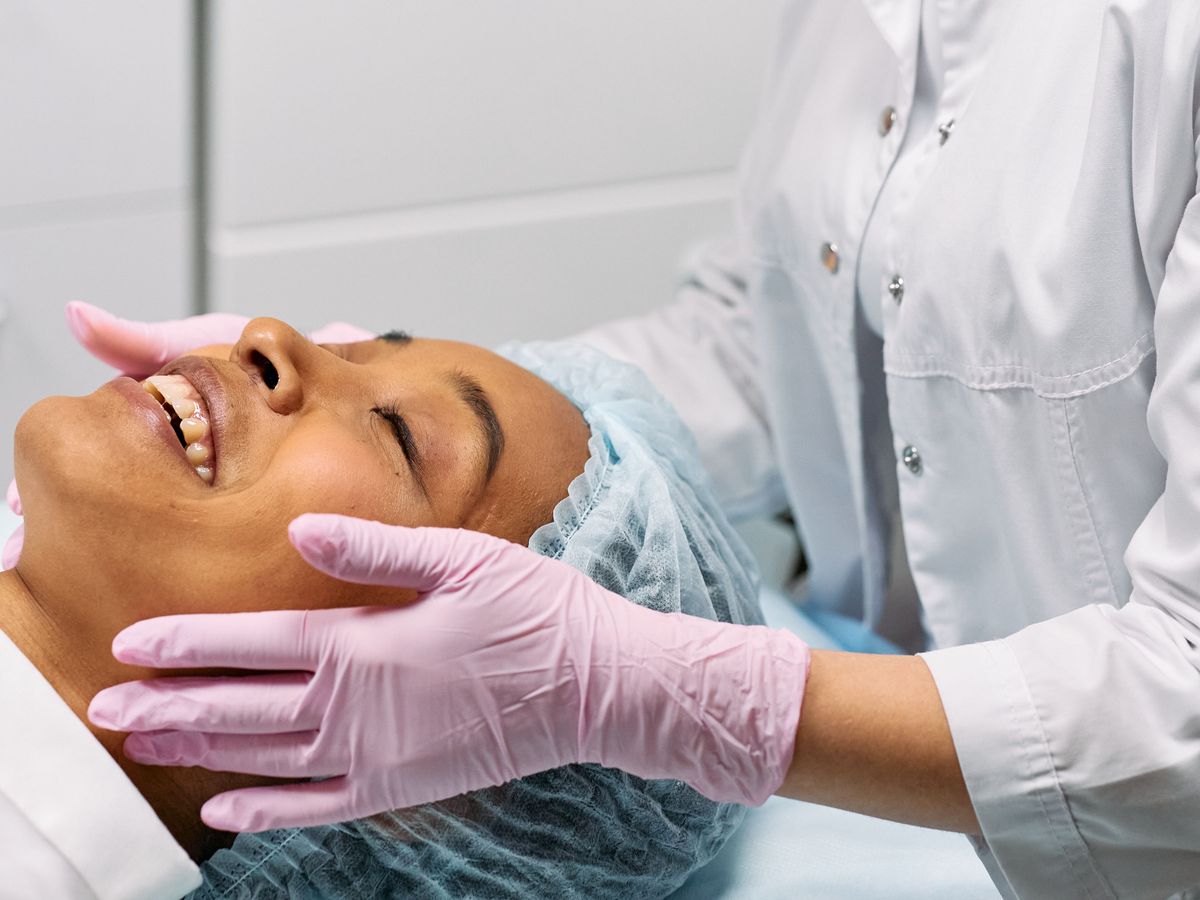
Skin tags, milia, cherry angiomas, seborrheic keratoses, and small benign moles are the growths almost everyone accumulates and almost nobody knows are quick to remove. Between them they account for some of the highest-volume searches in all of aesthetics, and the treatment, in the right hands, takes minutes.
What gets removed
Skin tags are soft, skin-colored growths on a stalk, most common on the neck, underarms, eyelids, and anywhere skin rubs. Harmless, often irritating, and the simplest removal there is. Milia are tiny white cysts of trapped keratin under the skin, usually around the eyes and cheeks, that do not respond to squeezing or scrubbing and are opened with a fine needle. Cherry angiomas are small red dots of clustered blood vessels that multiply with age. Seborrheic keratoses are waxy, stuck-on brown or tan growths that appear from middle age and can look alarming while being entirely benign. Benign moles are pigmented growths that a provider has confirmed are harmless and that a patient wants gone for comfort or appearance.
How each one is removed
The method follows the growth. Skin tags are snipped at the base or cauterized, in seconds, with a numbing spray or a tiny injection. Milia are nicked and expressed. Cherry angiomas are sealed with a laser or fine cautery. Keratoses are frozen with liquid nitrogen or shaved flat. Raised moles are shaved level with the skin under local anesthetic; flat moles that need to go are excised and closed with a stitch or two. Most visits handle several growths at once, and the whole appointment is usually under half an hour.
Aftercare is a small dressing or a dab of ointment, a scab or pink spot for a week or two, and sunscreen on the site while it fades.
The rule that matters: check before you remove
Skin tags, milia, and cherry angiomas are recognizable and safe to treat cosmetically. Moles are different. Melanoma and other skin cancers can look like a mole, and a suspicious growth that is cosmetically shaved rather than properly biopsied can be dangerous, both because the cancer is left behind and because the shave destroys the evidence a pathologist needs. Any pigmented growth that is new, changing, asymmetric, more than one color, larger than a pencil eraser, or bleeding is evaluated by a dermatologist first. Clinics doing this well either have a provider trained to assess moles or refer out, and they will decline to remove anything that looks wrong. That refusal is a sign of quality.
What it costs
Most clinics charge per visit, commonly $100 to $300 for one or several small growths, rising to around $600 for multiple or larger moles. Cosmetic removal is out of pocket. A growth that is irritated, bleeding, or medically suspicious is sometimes covered through a dermatologist, which is worth asking about before paying cash.
Whether it is right for you
If a growth catches on clothing or jewelry, bleeds when shaved, sits somewhere visible, or simply bothers you, removal is quick and permanent for that growth. Read our guides on skin tags, milia, and keratosis for what each one is, then browse the clinics below and ask which methods they offer and how they assess moles before removing them.