When's the Best Time to Get Laser Treatments? A City-by-City Guide
Laser treatments and sun don't mix. Your city's climate decides when to book: fall in Phoenix, winter in Toronto, the spring shoulder season in NYC. A guide to optimal timing in every major market.
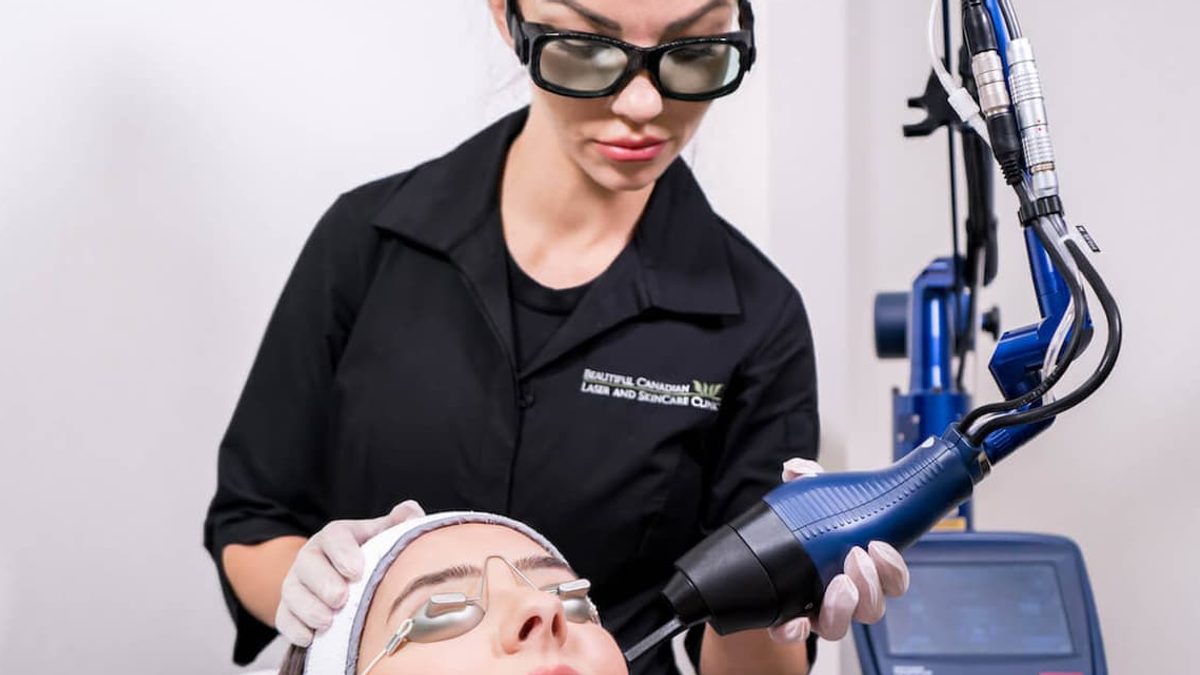
Most people don’t realize that when you book a laser treatment matters almost as much as where. Laser-treated skin is more sun-sensitive for weeks afterward, and pre-treatment sun exposure increases your risk of complications. That means the calendar and your city’s climate should drive your scheduling.
This guide breaks down the optimal window for laser treatments (laser hair removal, laser skin resurfacing, BBL photofacials, Morpheus8 RF microneedling) in every major US and Canadian market we cover.
The universal rule: minimize sun on treated skin
Before and after any laser or light-based treatment, providers recommend:
- 2–4 weeks BEFORE: avoid intentional sun exposure and tanning beds. Tanned skin reacts differently to laser energy and raises the risk of burns, pigment changes, and scarring.
- 2–6 weeks AFTER: treated skin is more vulnerable to UV damage and hyperpigmentation. Strict SPF 30+ daily and direct sun avoidance are essential.
- Throughout a multi-session series: maintain low sun exposure between sessions.
That makes the “laser season” for any city the months when:
- UV exposure is naturally lower
- People are inside more
- Beach/pool activity is minimal
For most of North America, that’s October through March. But the optimal window varies meaningfully by city.
Optimal laser windows by city
Sunbelt cities (long, intense sun exposure)
Best window: November–February
These cities have the longest, most intense sun seasons. Optimal laser timing is the brief winter window.
- Phoenix, AZ: November through February. The Valley’s year-round sun makes this window critical. Spring break and summer pool season are completely off-limits.
- Las Vegas, NV: November through February. Same desert dynamics as Phoenix. Avoid March onward.
- Los Angeles, CA: November through March. SoCal’s mild winter is your only realistic window unless you commit to total beach avoidance.
- Miami, FL: December through February only. Florida’s UV index stays high almost year-round. The shortest laser season in the country.
- Tampa, FL: December through February. Same as Miami.
- Orlando, FL: December through February.
- Houston, TX: November through February. Avoid the late spring/summer humidity that drives people to pools.
- Dallas, TX: November through February.
- San Diego, CA: December through February. Mild SoCal climate but year-round outdoor culture means strict adherence is essential.
Moderate-climate cities (real winter, real summer)
Best window: October–March
These markets have proper winters with low UV indices and indoor lifestyles.
- Austin, TX: October through March. Mild winters are perfect.
- Atlanta, GA: October through March.
- Charlotte, NC: October through March.
- Nashville, TN: October through March.
- Denver, CO: October through April. High altitude UV is intense even in cooler months, so SPF discipline is non-negotiable.
- Philadelphia, PA: October through April.
Northern cities (proper winters)
Best window: September–April
These cities have the longest “laser season”: extended periods of low UV and indoor weather.
- Boston, MA: September through April. Long winters = the most flexible laser scheduling in the US.
- New York, NY: September through April.
- Chicago, IL: September through April. Lake Michigan winters help.
- Detroit, MI: September through April.
- Minneapolis, MN: September through April. The coldest market with the longest available window.
- Seattle, WA: Year-round (yes, really). The Pacific Northwest’s overcast climate means UV exposure is naturally low almost every month except July–August.
- Portland, OR: Same as Seattle. Year-round except midsummer.
- San Francisco, CA: Most of the year except July–September fog-free stretches.
Canadian cities
Best window: October–April
Canada’s long winters give the most laser-friendly scheduling.
- Toronto, ON: October through April. Long winters, predictable indoor lifestyle.
- Calgary, AB: September through April. Even longer winters than Toronto. But Calgary’s high altitude + bright sun reflective off snow means you still need SPF discipline year-round.
Treatment-specific timing notes
Different lasers have slightly different sun-sensitivity profiles:
- Most forgiving: most modern lasers (Nd:YAG, diode) can be done on a wider range of skin tones and seasons
- Still avoid tanned skin and direct sun for 2 weeks before/after each session
- Plan series to complete before summer if possible
Laser skin resurfacing (CO2, Halo, Fraxel)
- Most sun-sensitive of all treatments
- 2-4 weeks of strict sun avoidance before AND 4-6 weeks after
- Aggressive ablative treatments (CO2) require even longer recovery from sun
- Book at the start of your city’s laser season so you have buffer
- Targets pigment: tanned skin = much higher risk of burns and hyperpigmentation
- 4 weeks of sun avoidance before is standard
- The “Forever Young BBL” maintenance protocol works best with quarterly sessions during low-sun months
- Slightly more forgiving (radiofrequency, not pigment-targeted)
- Still recommend 2 weeks of strict sun avoidance before/after
- Can be done in more seasons than ablative laser, but cooler months are still ideal
Booking strategy for your city
The single best move: book your first session in October or November in most cities. That gives you the entire winter for follow-up sessions (typical series are 3-6 sessions spaced 4-6 weeks apart) and lets your skin fully recover before the next sun season.
If you’re past that window, late summer through early fall (August–September) often has consultation availability that’s harder to find during peak laser season. Book the consult now, schedule the first treatment for October.
Ready to find a clinic? Browse laser hair removal, laser skin resurfacing, or BBL photofacial providers in your city on ClinicCompass.
Find a Laser Skin Resurfacing clinic near you
See the clinics in your city that offer it, compare reviews, and request a free consultation.
Your location is used once to pick the nearest city and is never stored.
Keep reading
What Med Spas Pay: Nurse Injector and Aesthetic Nurse Salaries by City
There is no official salary figure for a nurse injector. There is a floor, set by what hospitals pay registered nurses and nurse practitioners in your city, and a ceiling, set by how much revenue the injector brings in. Here are the floors in 18 metros, the pay structures that work, and the ones that quietly bankrupt clinics.
Read post → Treatment Deep DiveHow Long Does Laser Hair Removal Last? Years for Most Areas, With One Asterisk
After a full series, most people stay largely hair-free for years, and some areas never really come back. But nobody gets 100% forever. Here is the honest timeline by body area, the six reasons hair returns, and what a year of maintenance actually costs.
Read post → Patient GuideLip Filler Aftercare: What to Do, What Not to Do, and the Day-by-Day Healing Timeline
What should you do after lip filler? Ice gently, keep your head up, skip alcohol, hard exercise and heat for 24 to 48 hours, and do not judge the result for two weeks. Here is the day-by-day healing timeline, the full do-not list, and the few symptoms that are not normal.
Read post →Find Laser Skin Resurfacing providers in your city
Compare vetted clinics with real Google ratings, see honest local cost ranges, and request a free consultation.