Skip to content
ClinicCompass
New York, New York

New York, United States

Aesthetic treatments in New York

The East Coast's premier aesthetics market from Upper East Side to Tribeca.

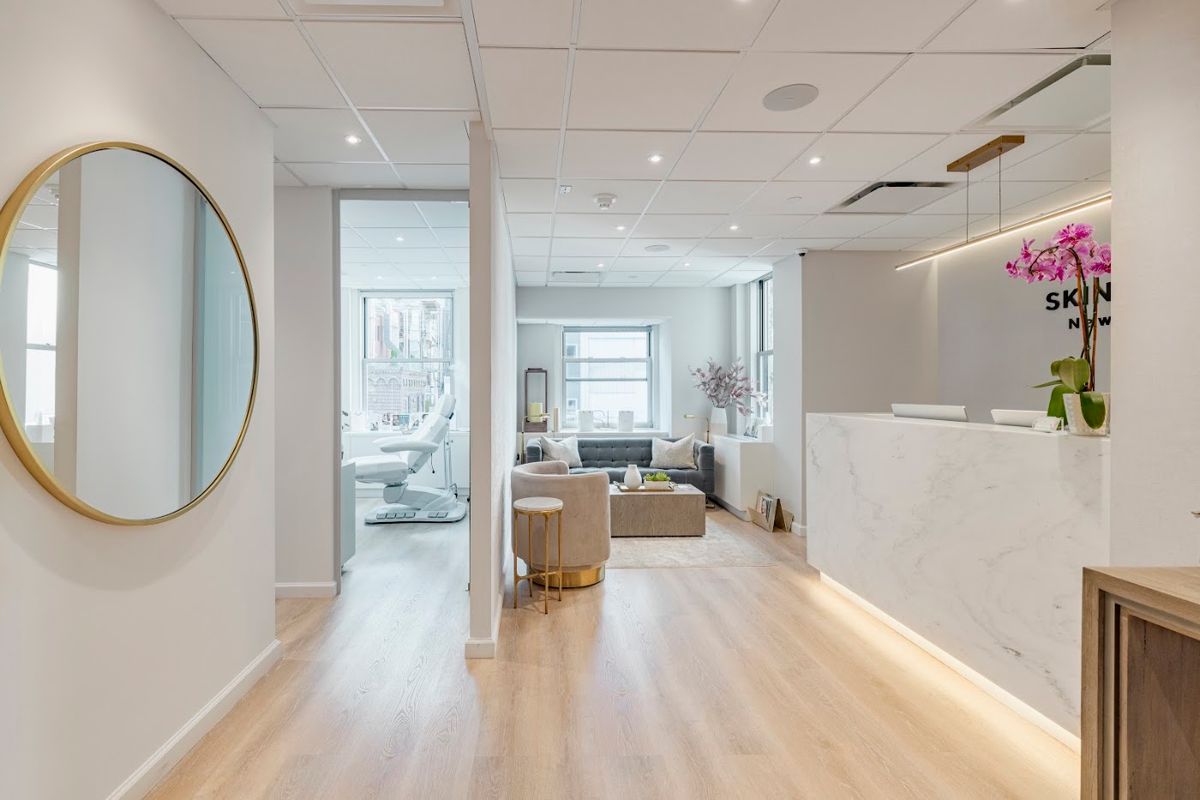
New York City rivals Los Angeles for the country’s most competitive and concentrated aesthetics market. The Upper East Side anchors the city’s most established physician-led practices (the Mecca of plastic surgery and dermatology), while Tribeca, SoHo, and Chelsea host modern, brand-led med spas serving the creative and finance class. Midtown caters to time-pressed professionals with quick, results-driven treatments.

Every treatment category is well-represented across NYC — from daily-maintenance injectables and the lip flip to body contouring, lasers, and HydraFacial. The market is intensely competitive on both quality and pricing, with significant variation between Manhattan’s premium practices and excellent-value options in the outer boroughs.

Expect Manhattan to sit at the very top of the national price range — Botox and dermal fillers at Upper East Side practices often run well above the US average, while the outer boroughs offer markedly better value. Our Botox cost guide shows how New York per-unit pricing compares to other major markets.

NYC pricing sits at the top of the US market for premium practices, but the depth of options means smart comparison shopping pays off. Compare multiple providers before booking. Browse New York providers on ClinicCompass.
Clinic directory

Med spas & clinics in New York

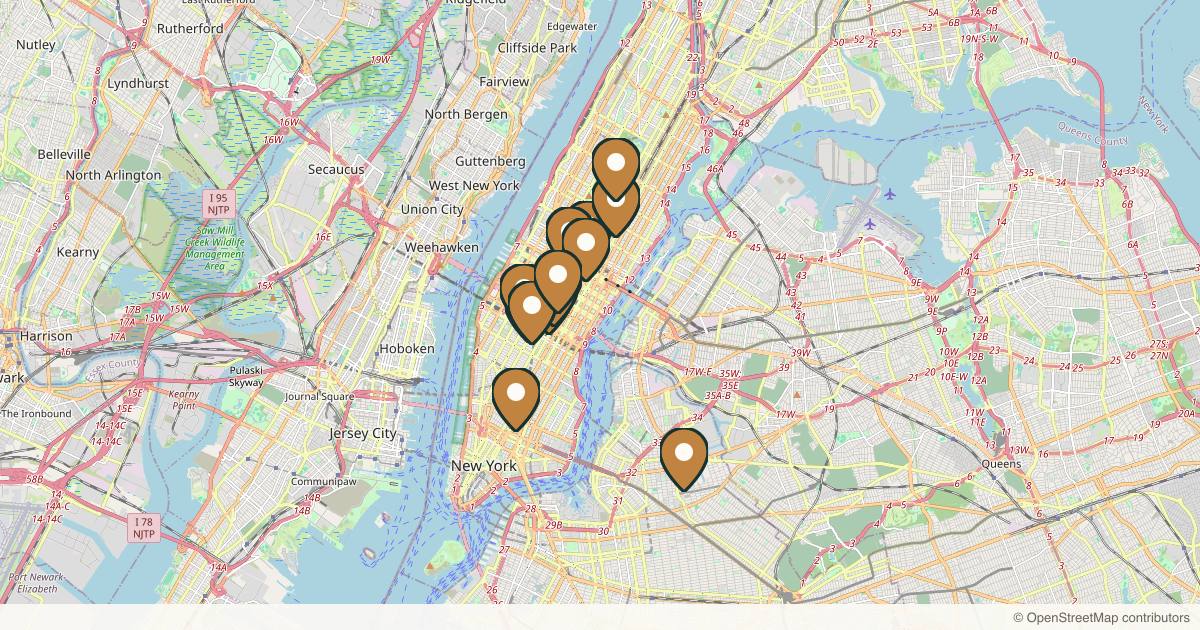
80 listed clinics, ranked by Google rating weighted by how many reviews back it. 36 of them say on their own websites that they offer financing or payment plans.
Narrow the list

Map of 80 med spas and aesthetic clinics in New York, New York
Treatments in New York

What you can book in New York

Tap a treatment to see local cost ranges and the clinics that offer it.

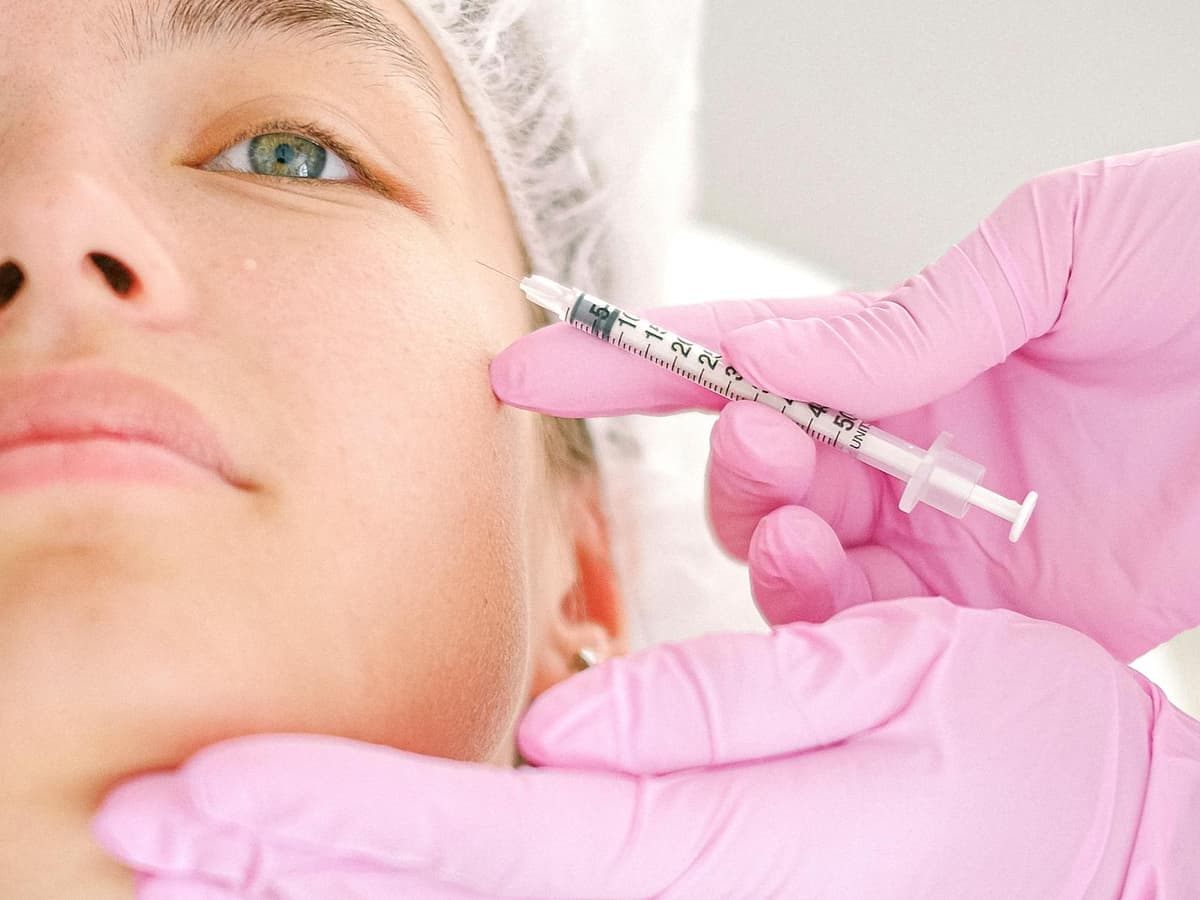
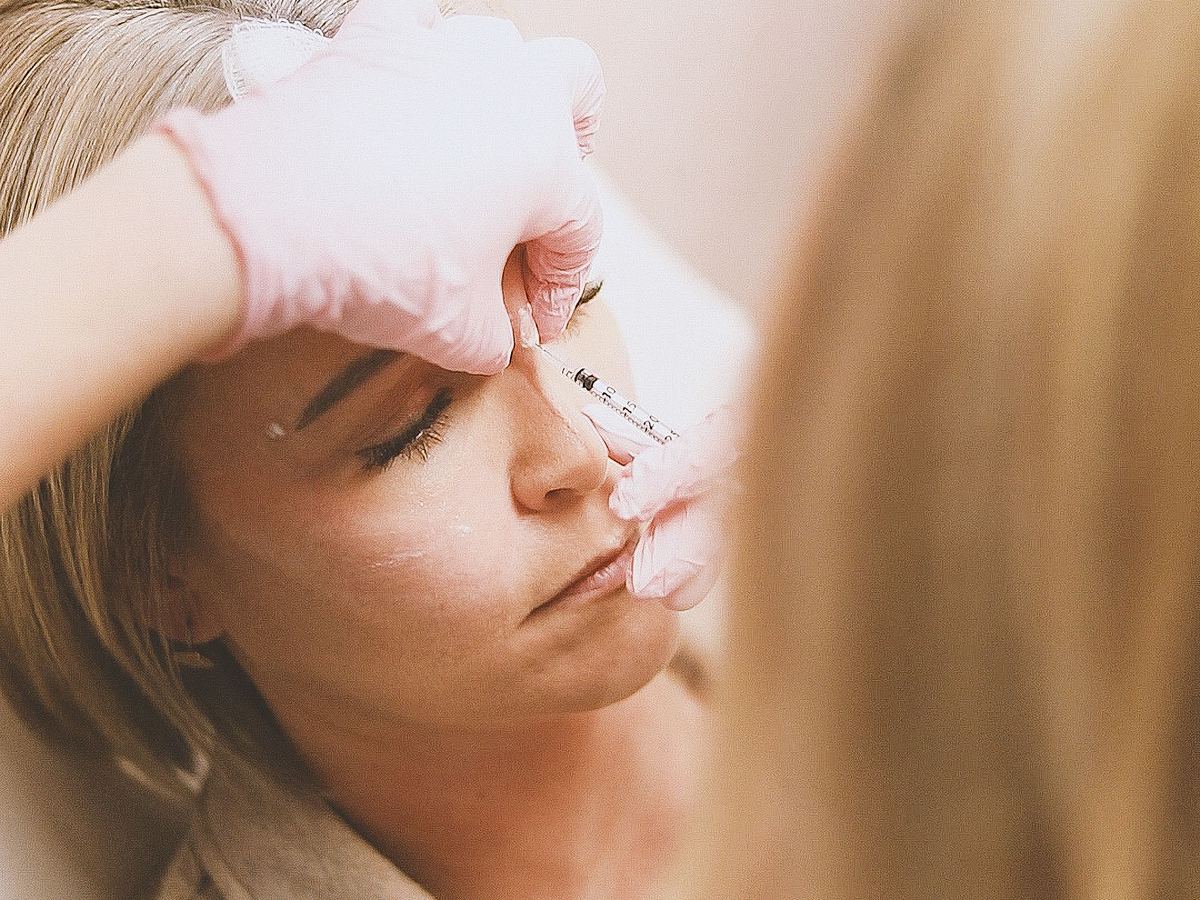
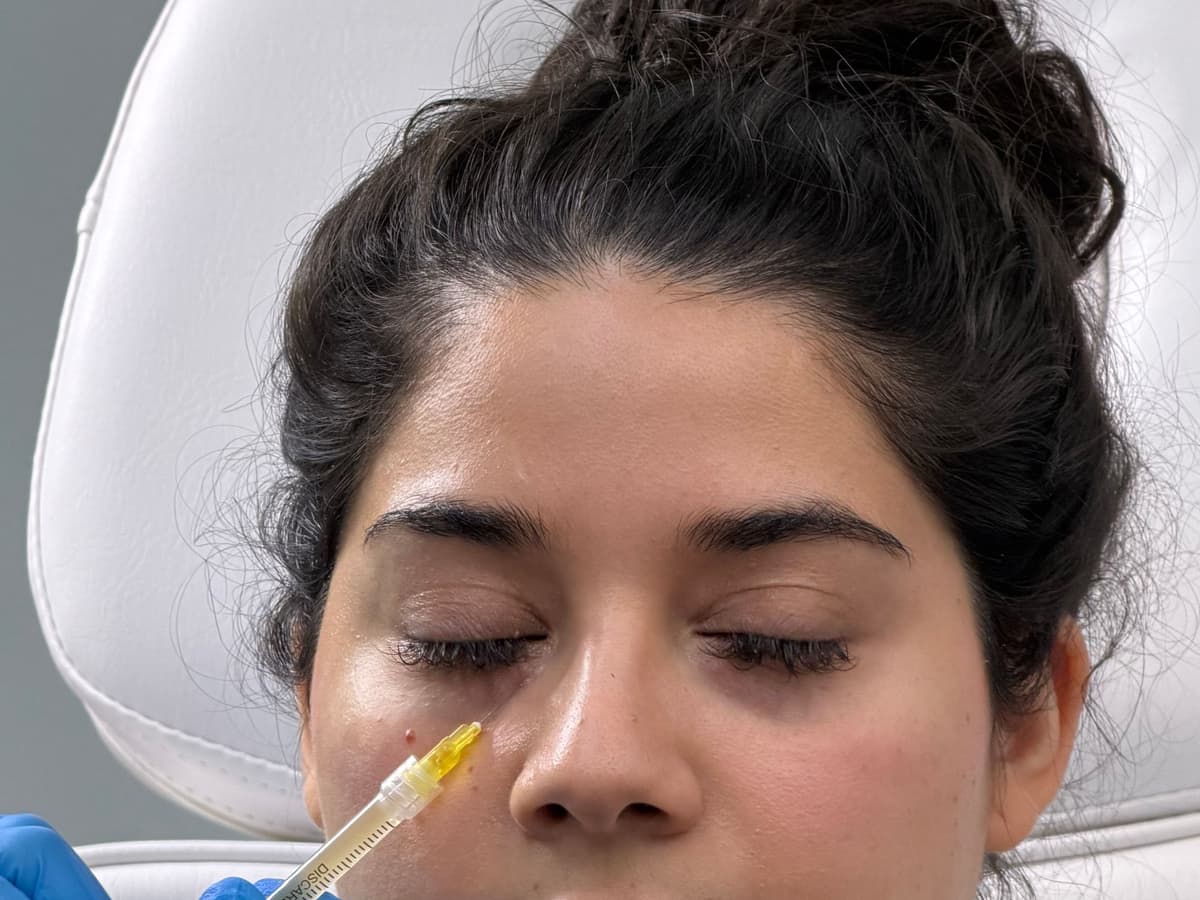
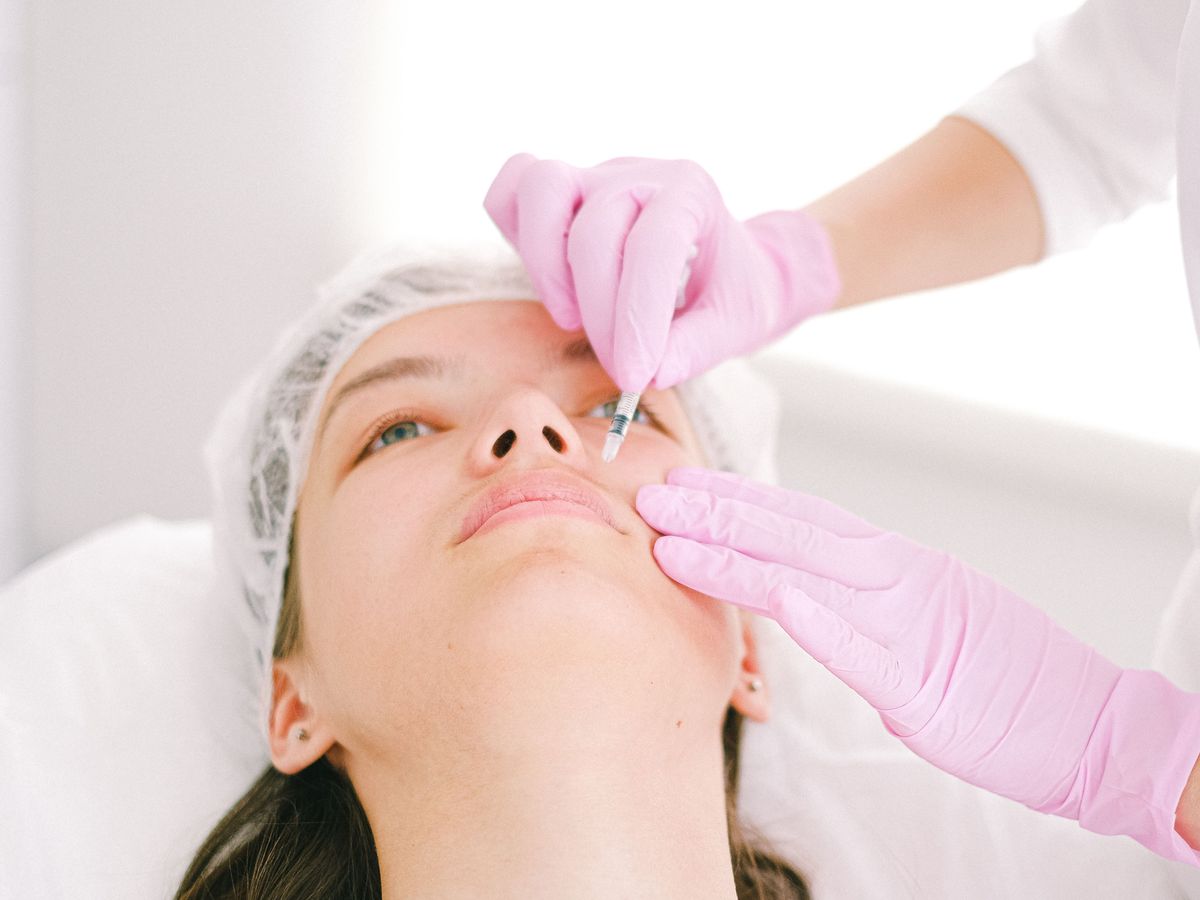
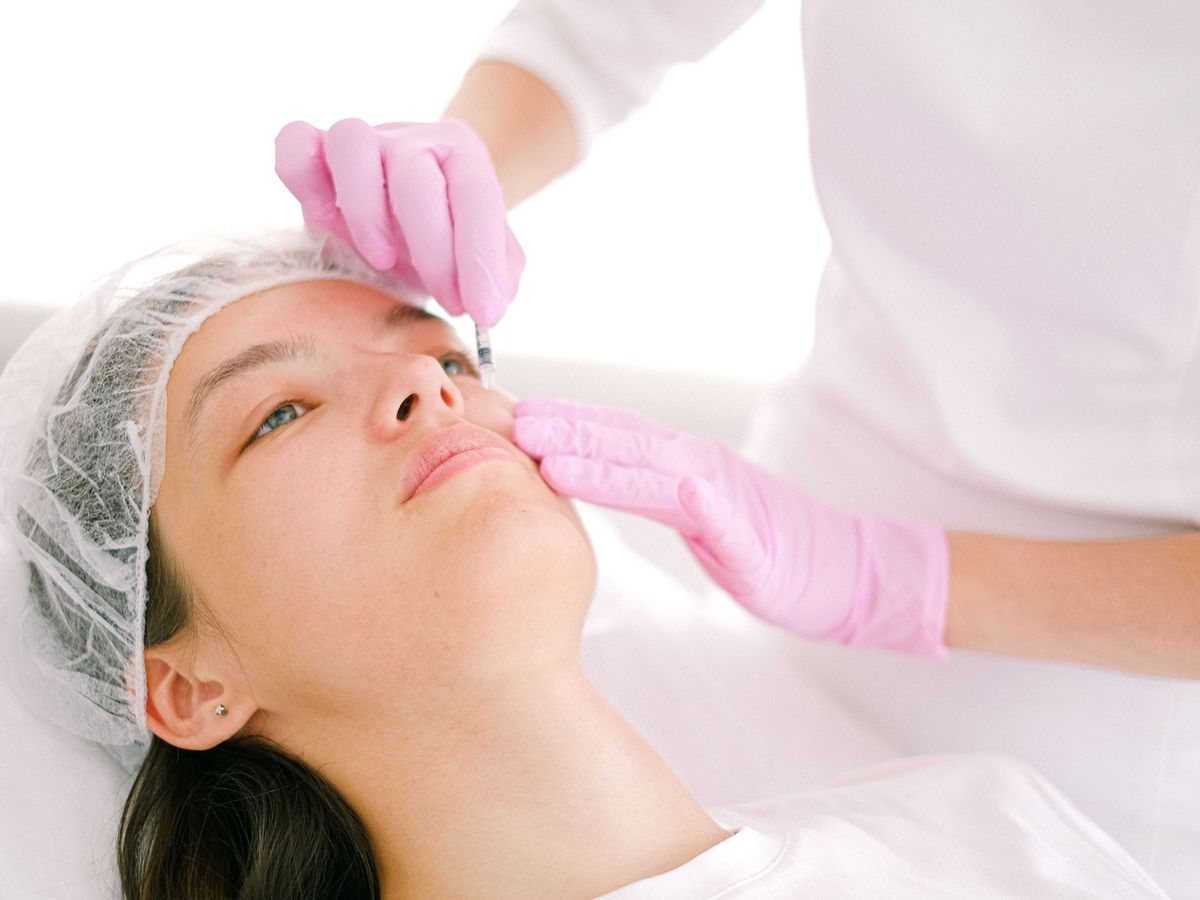
  • Botox treatment

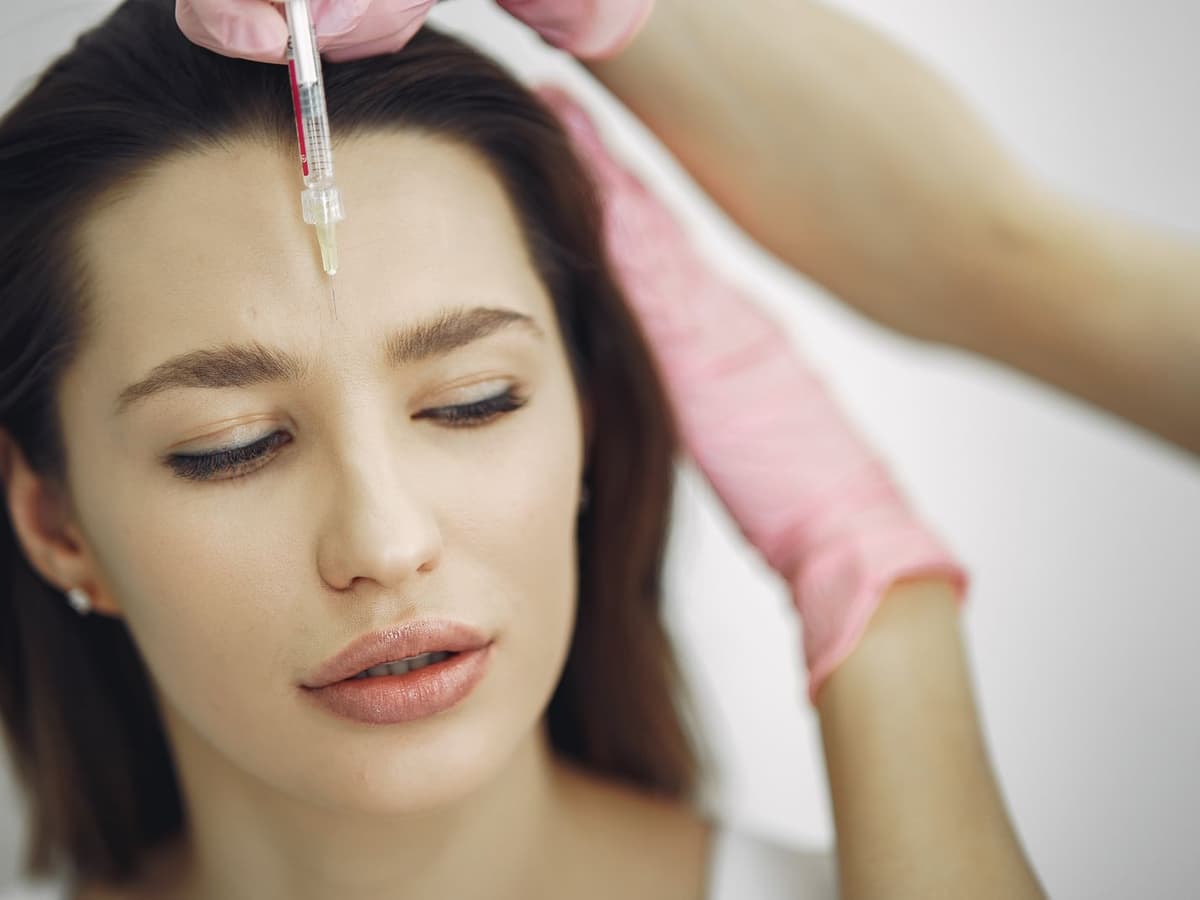
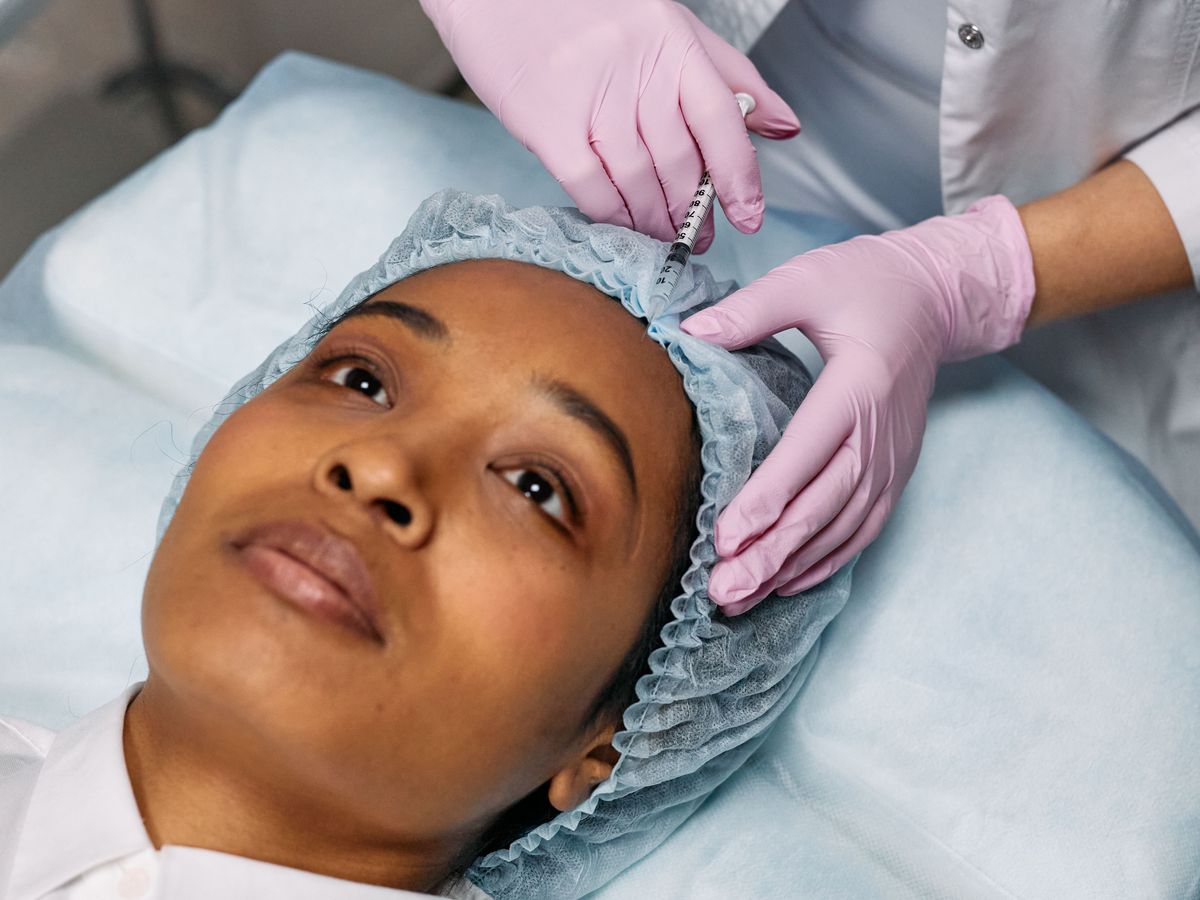
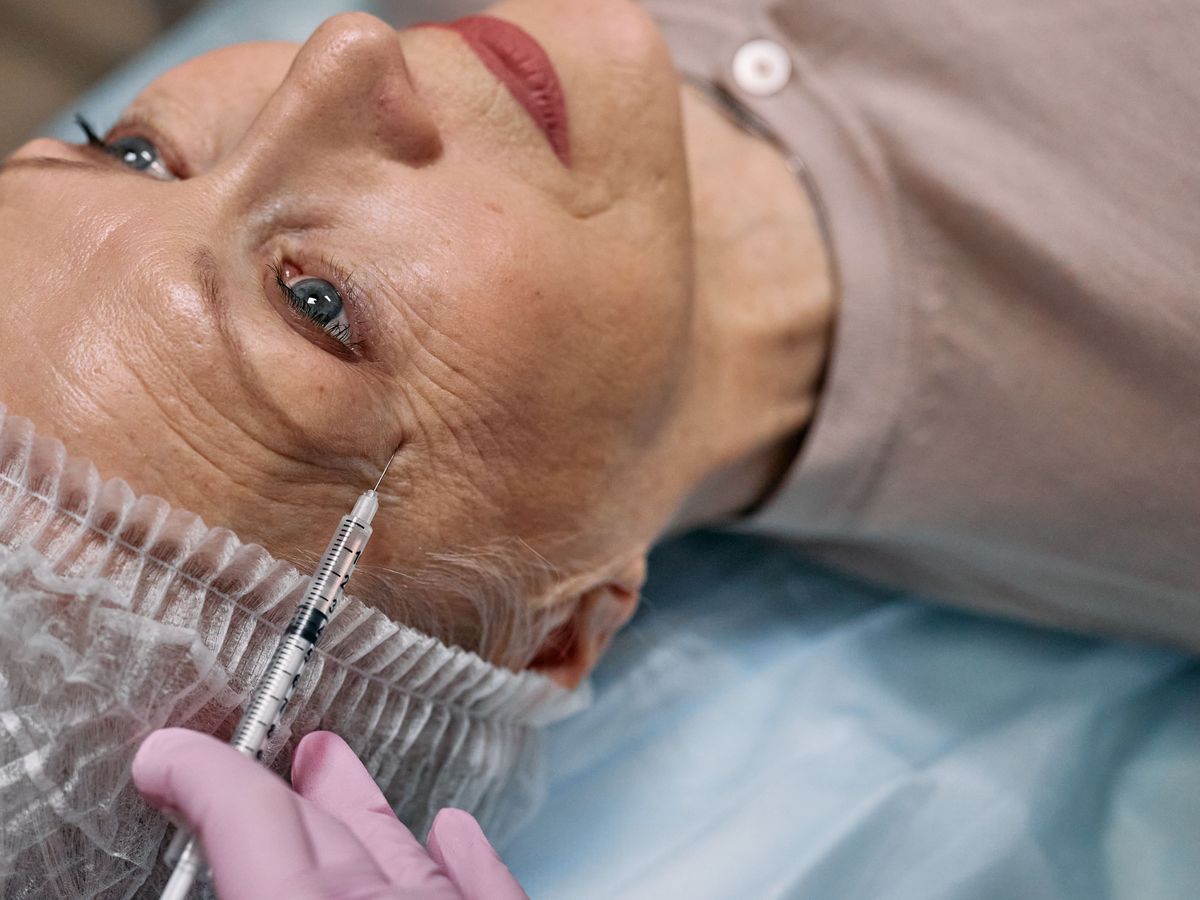
    Botox

    $200–$600
    →
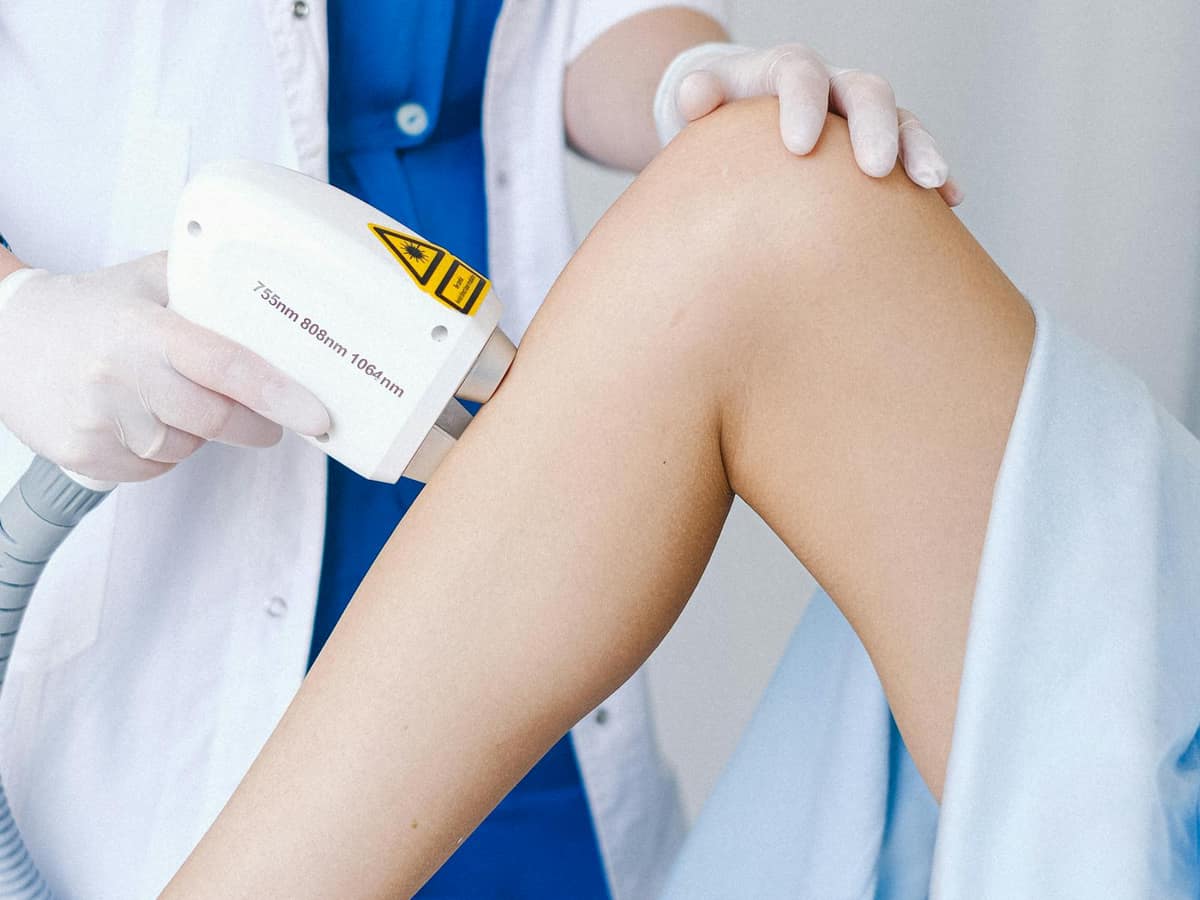
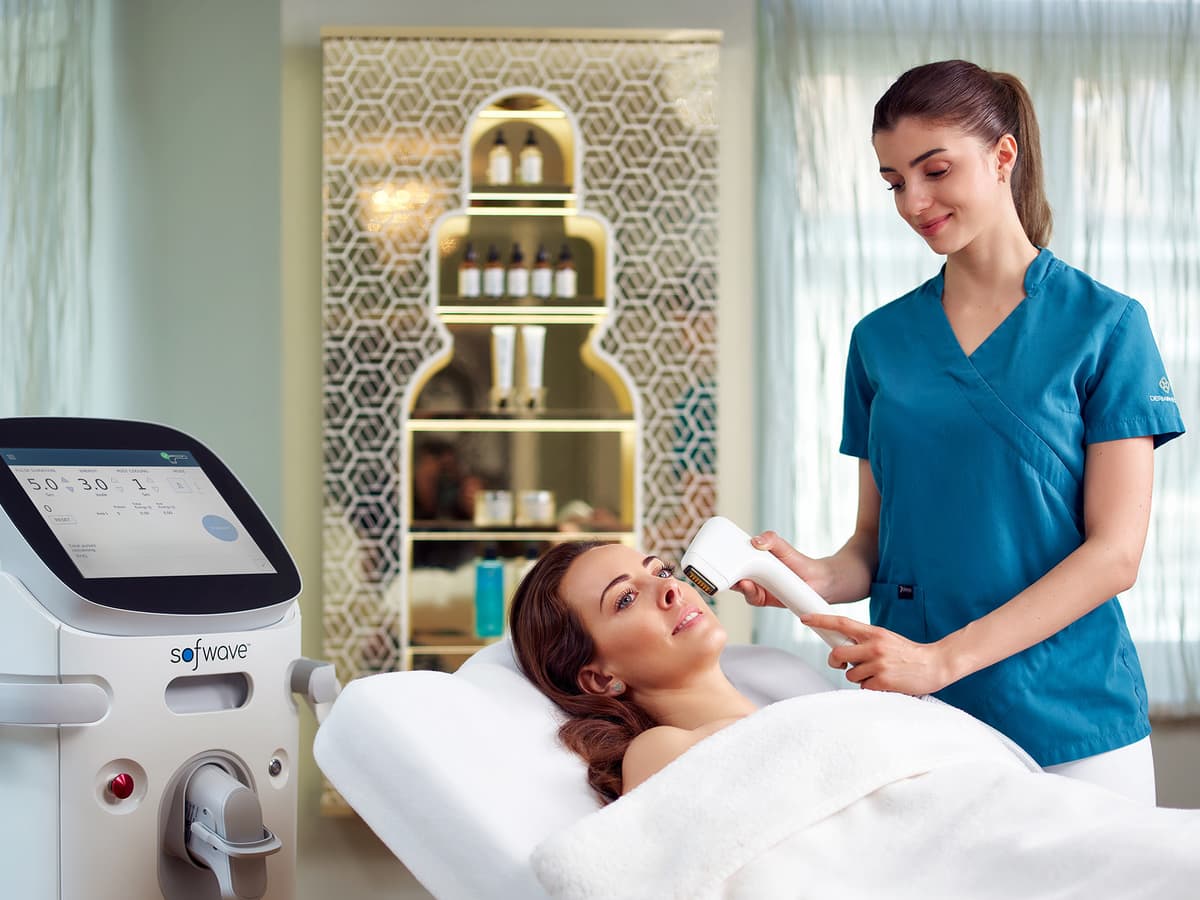
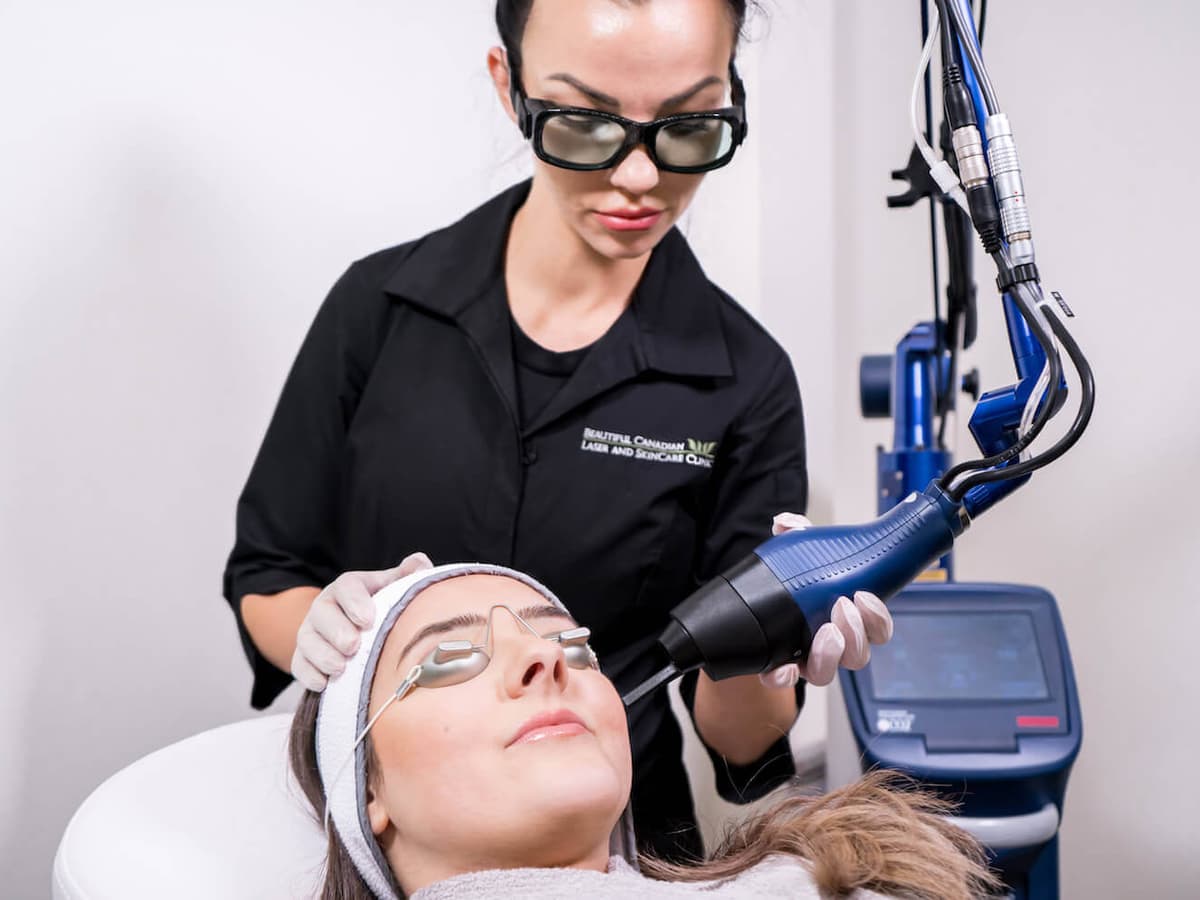
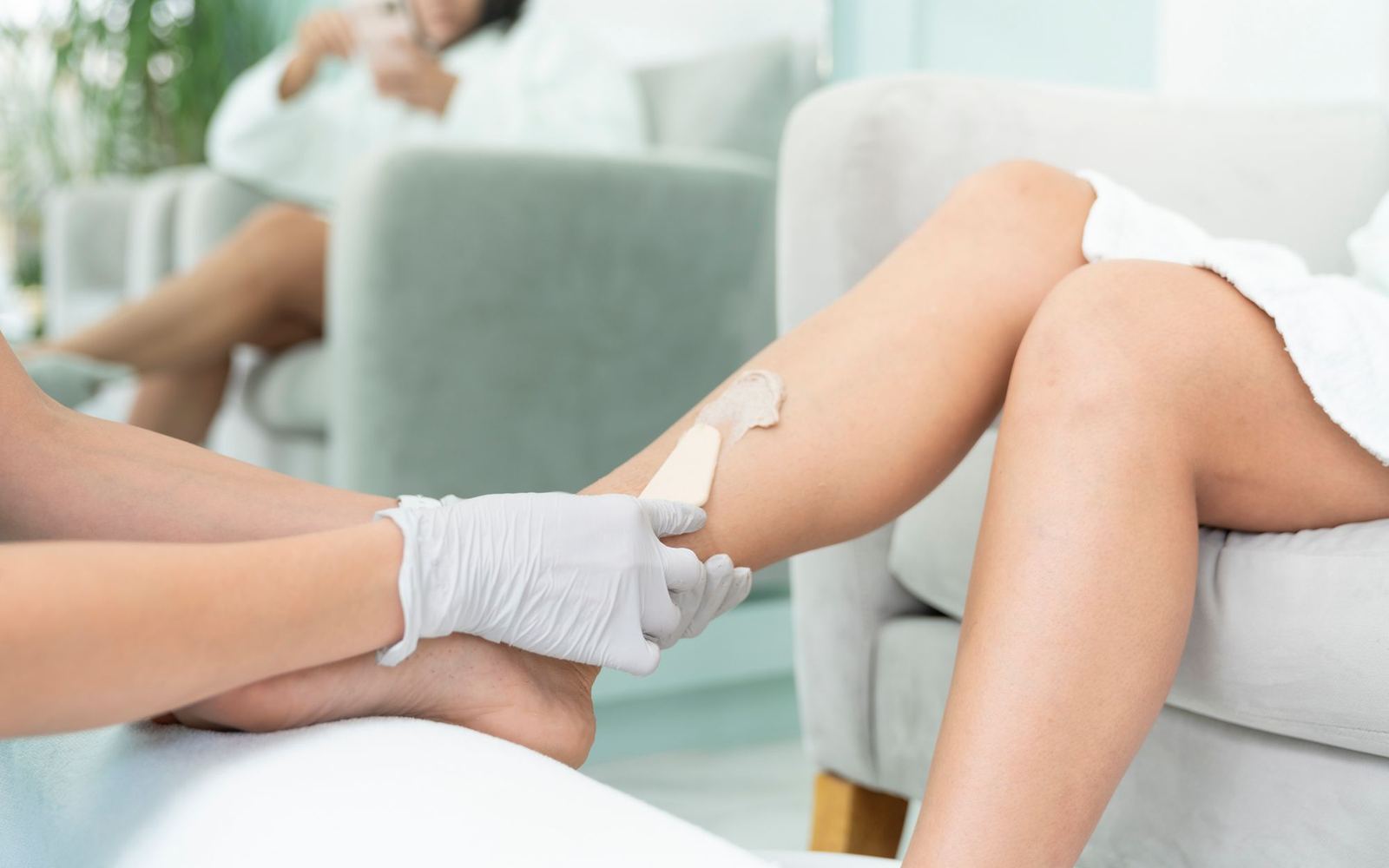
  • Laser Hair Removal treatment

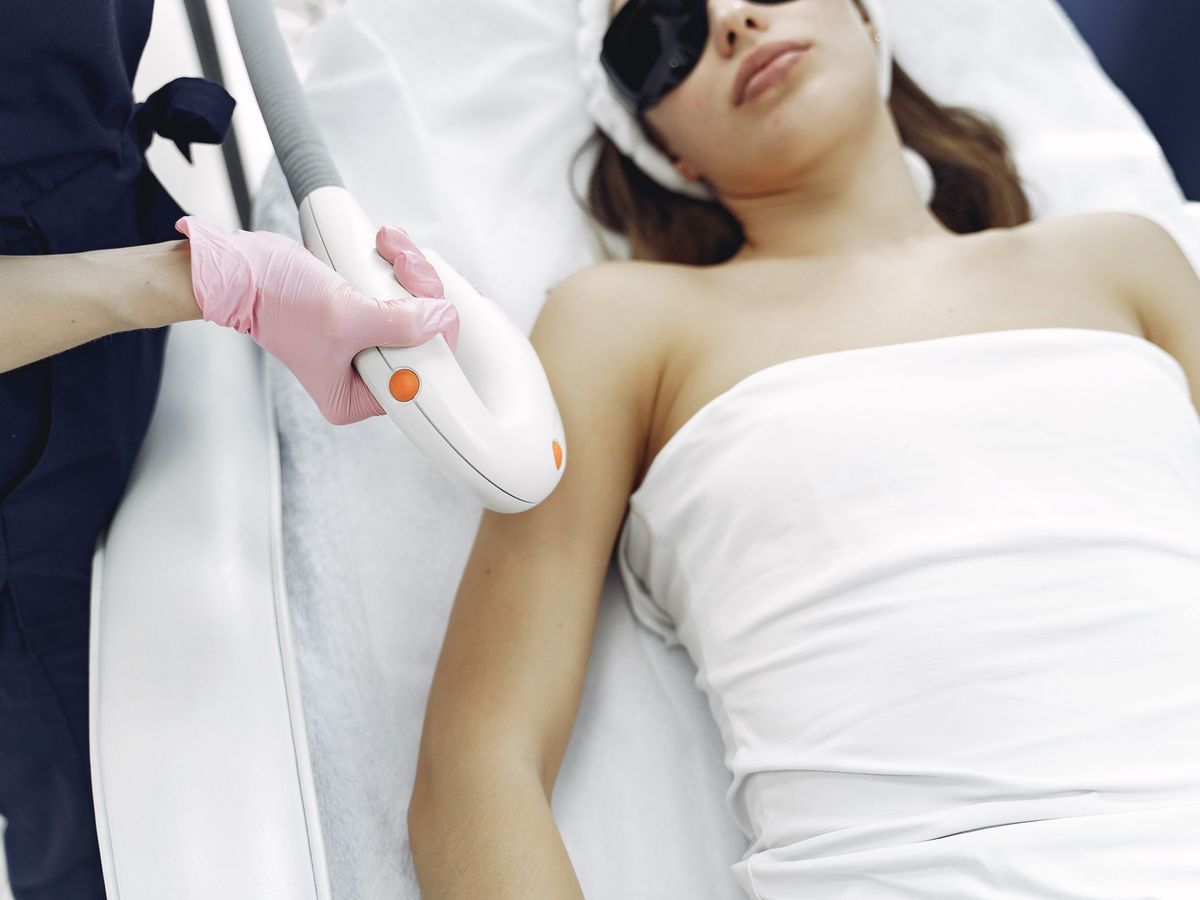
    Laser Hair Removal

    $50–$600
    →
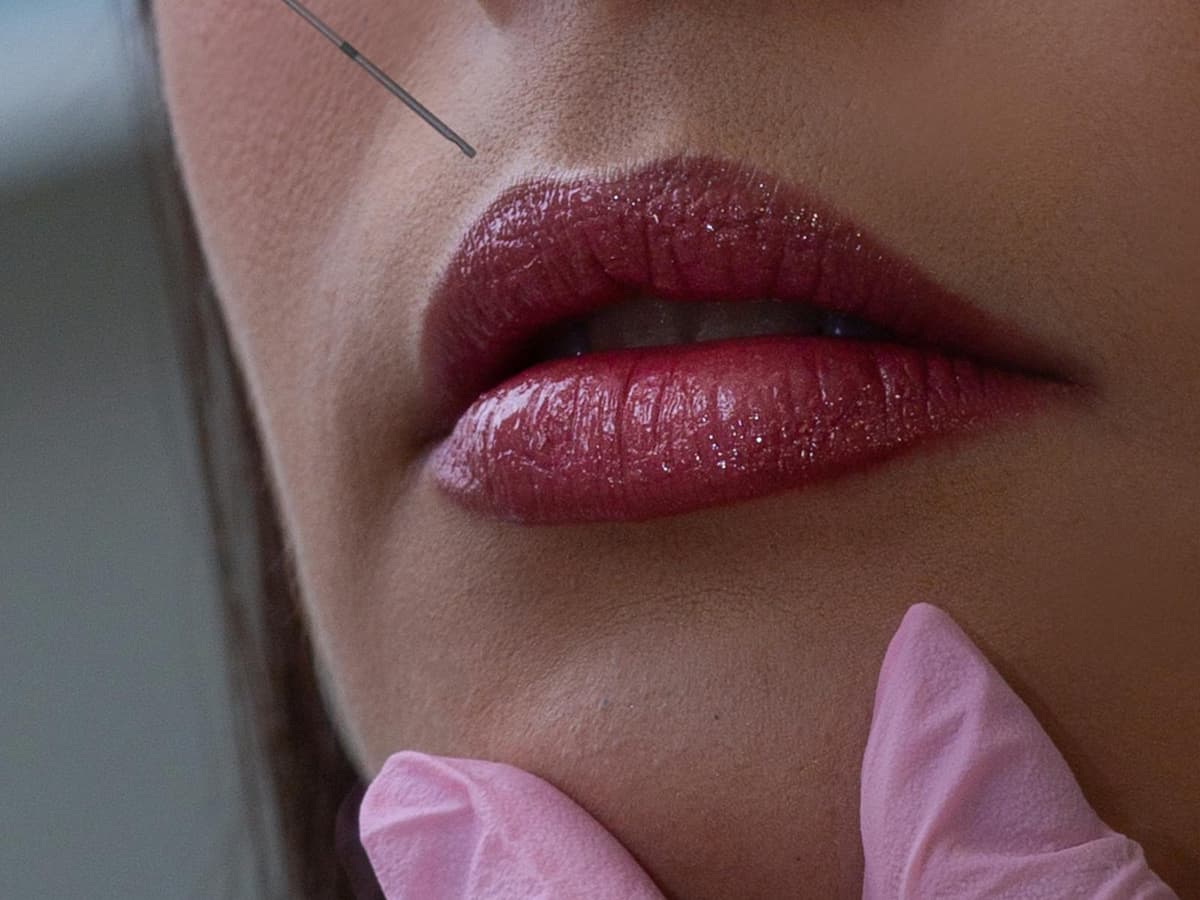
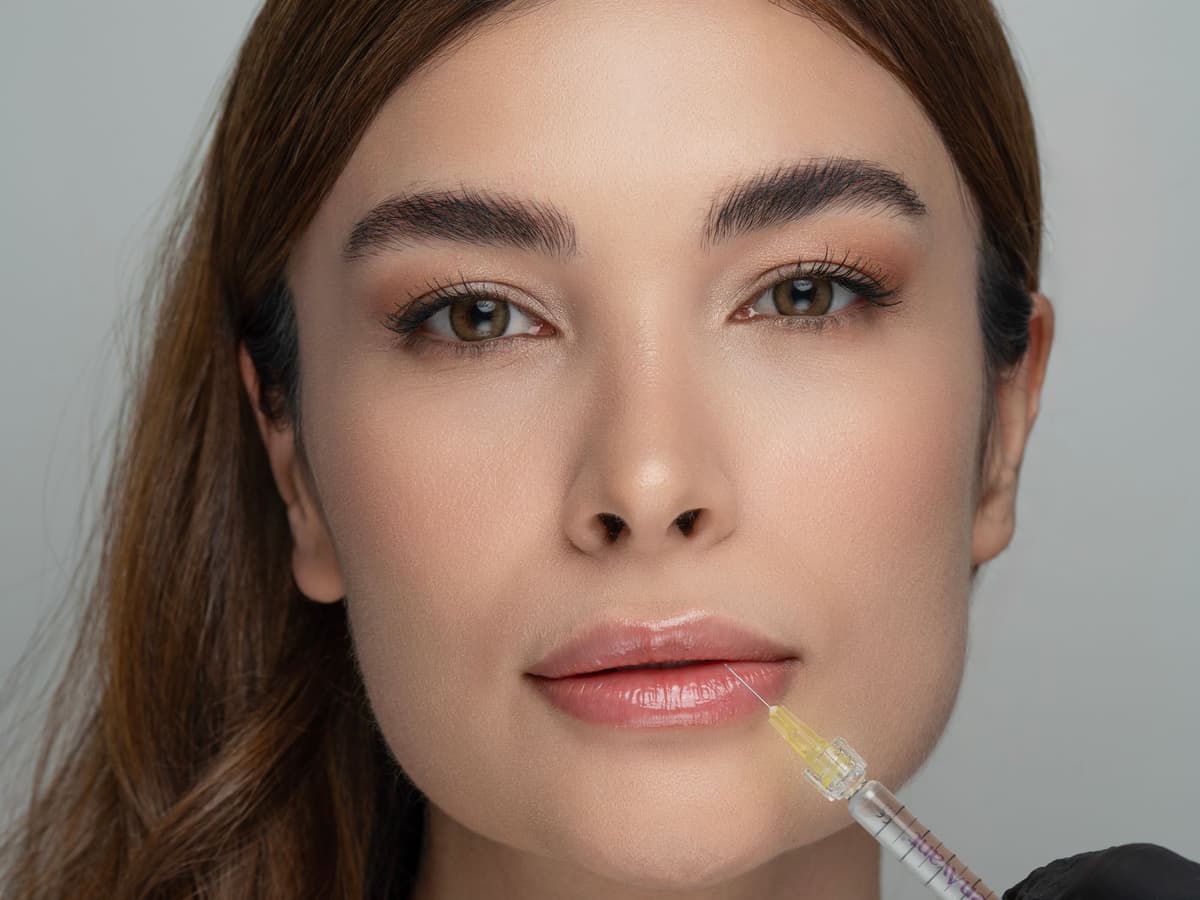
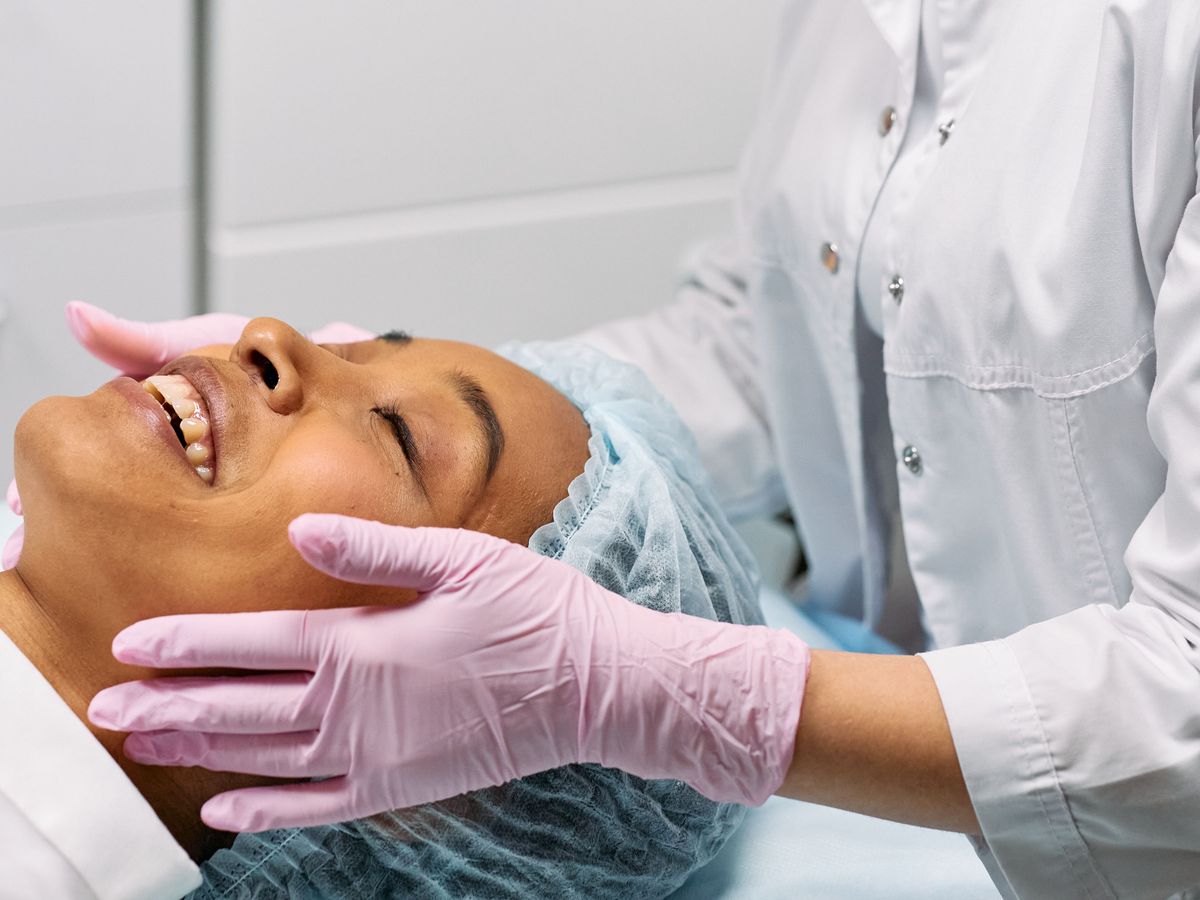
  • Lip Filler treatment

    Lip Filler

    $600–$1,200
    →
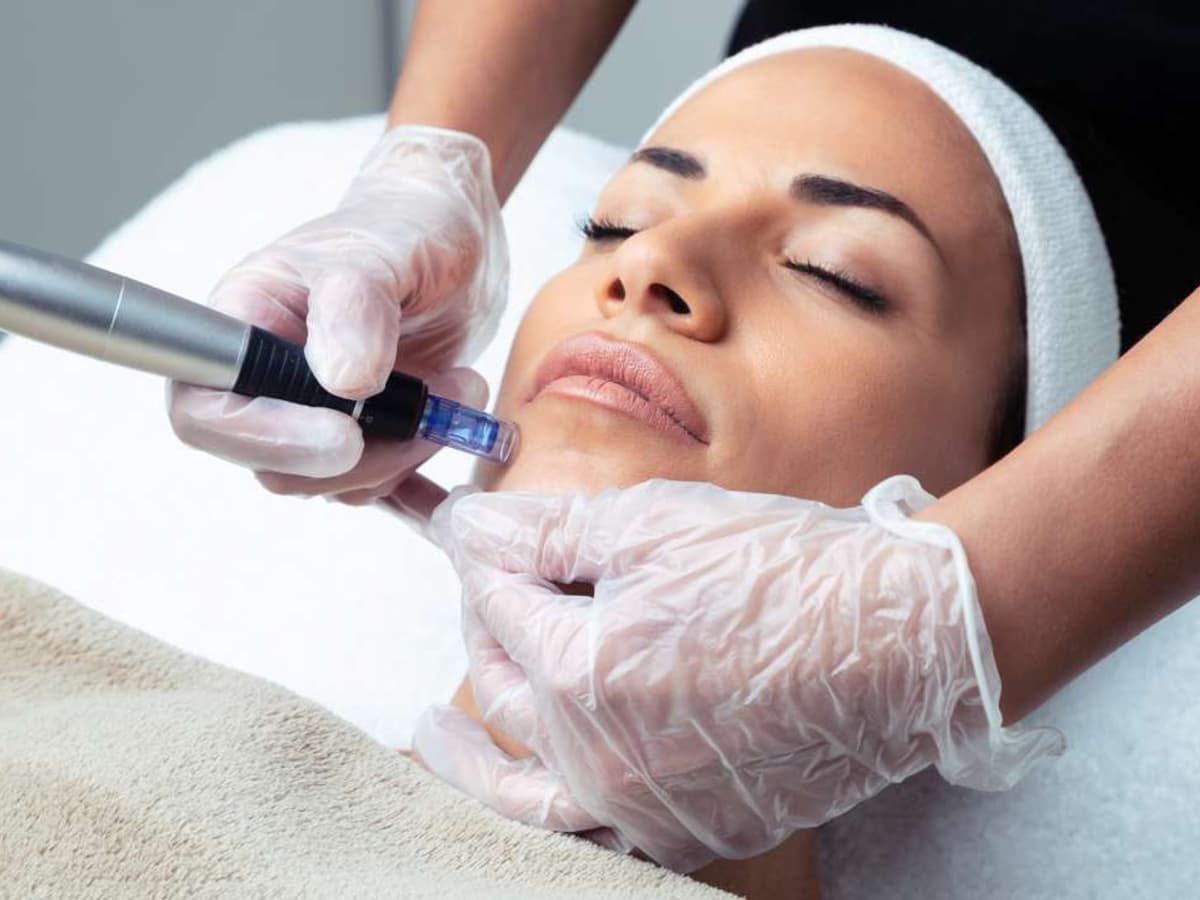
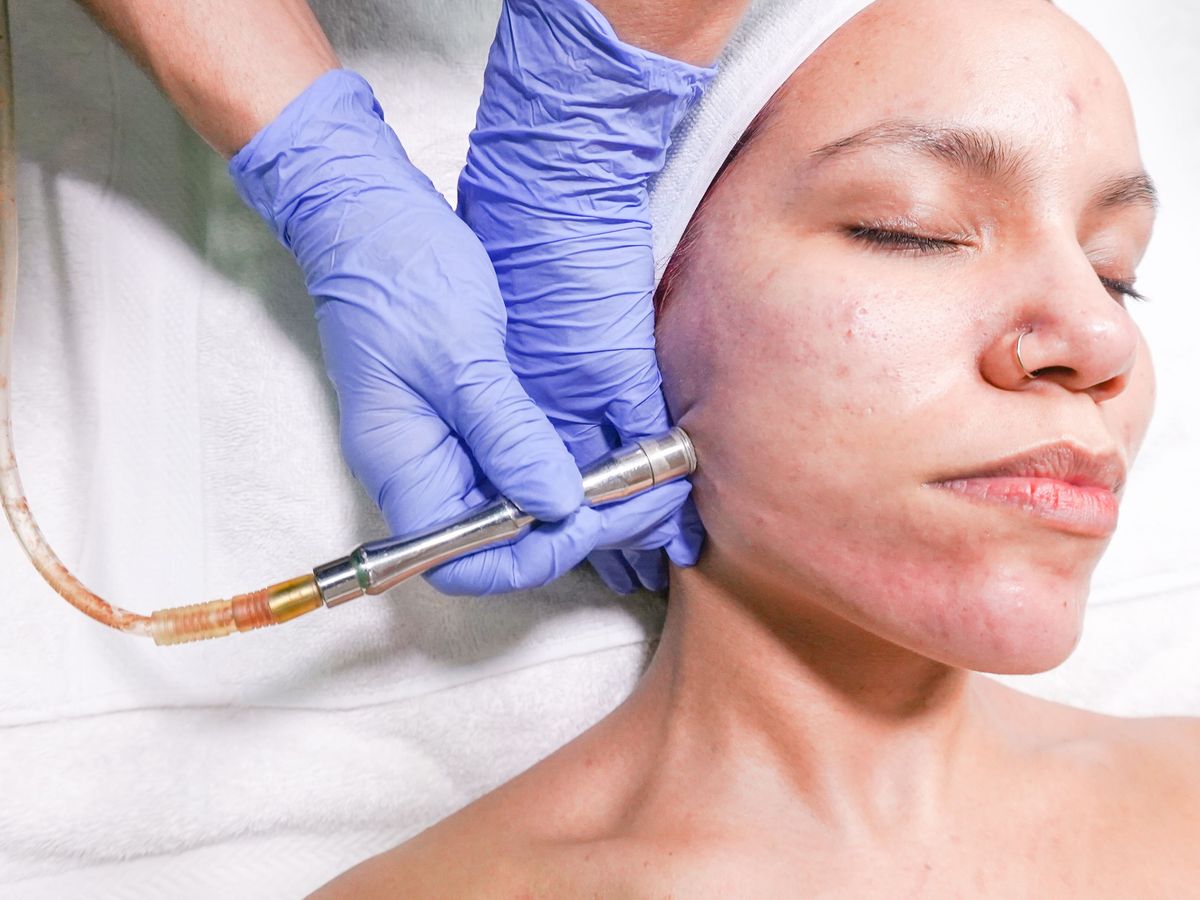
  • Microneedling treatment

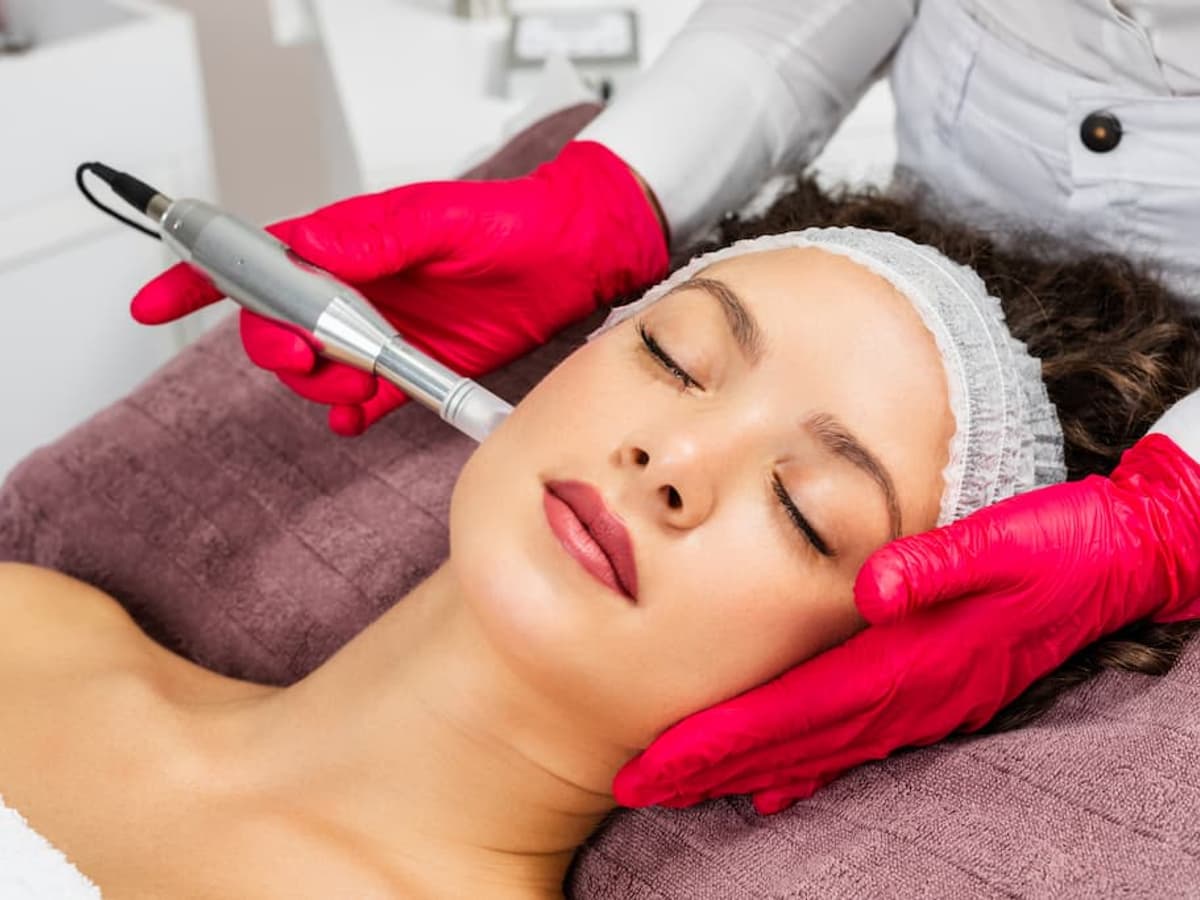
    Microneedling

    $200–$700
    →
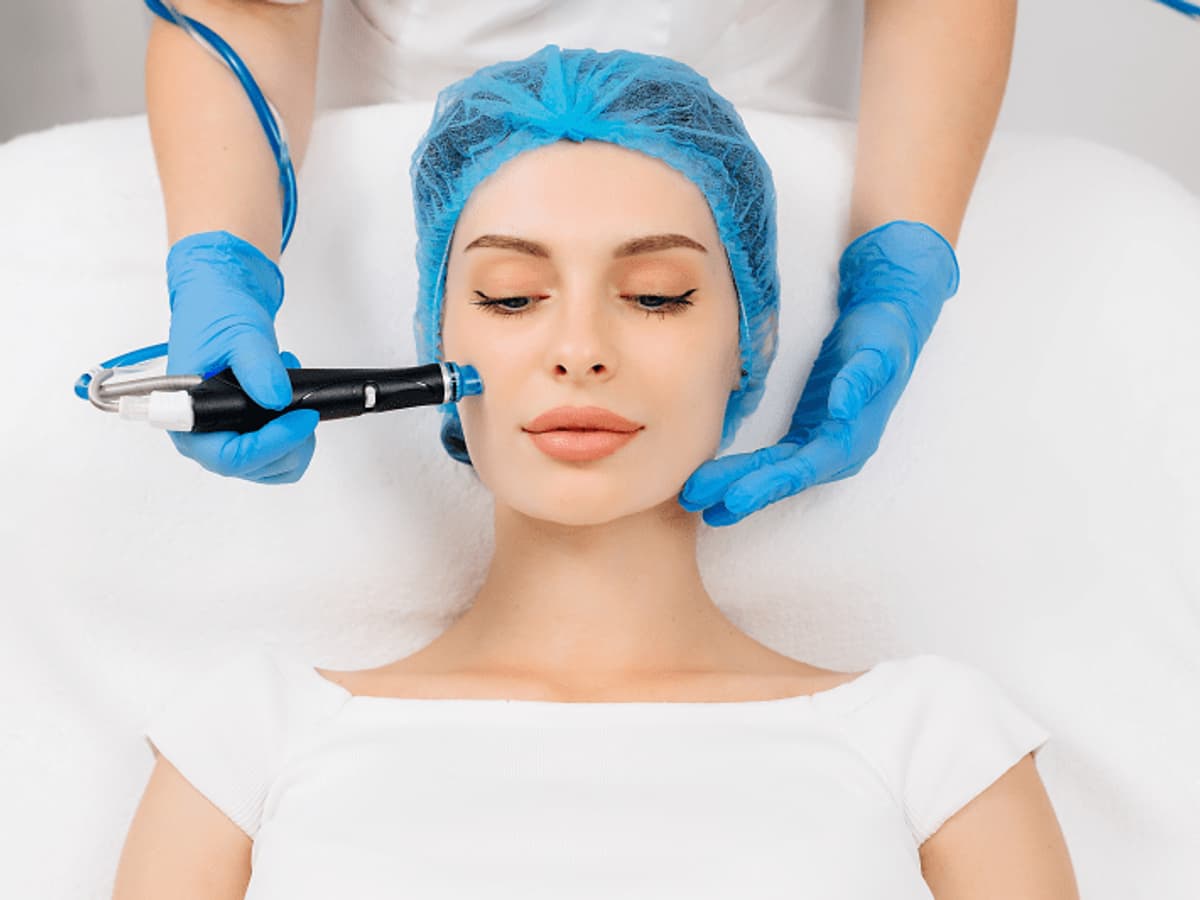
  • HydraFacial treatment

    HydraFacial

    $150–$350
    →
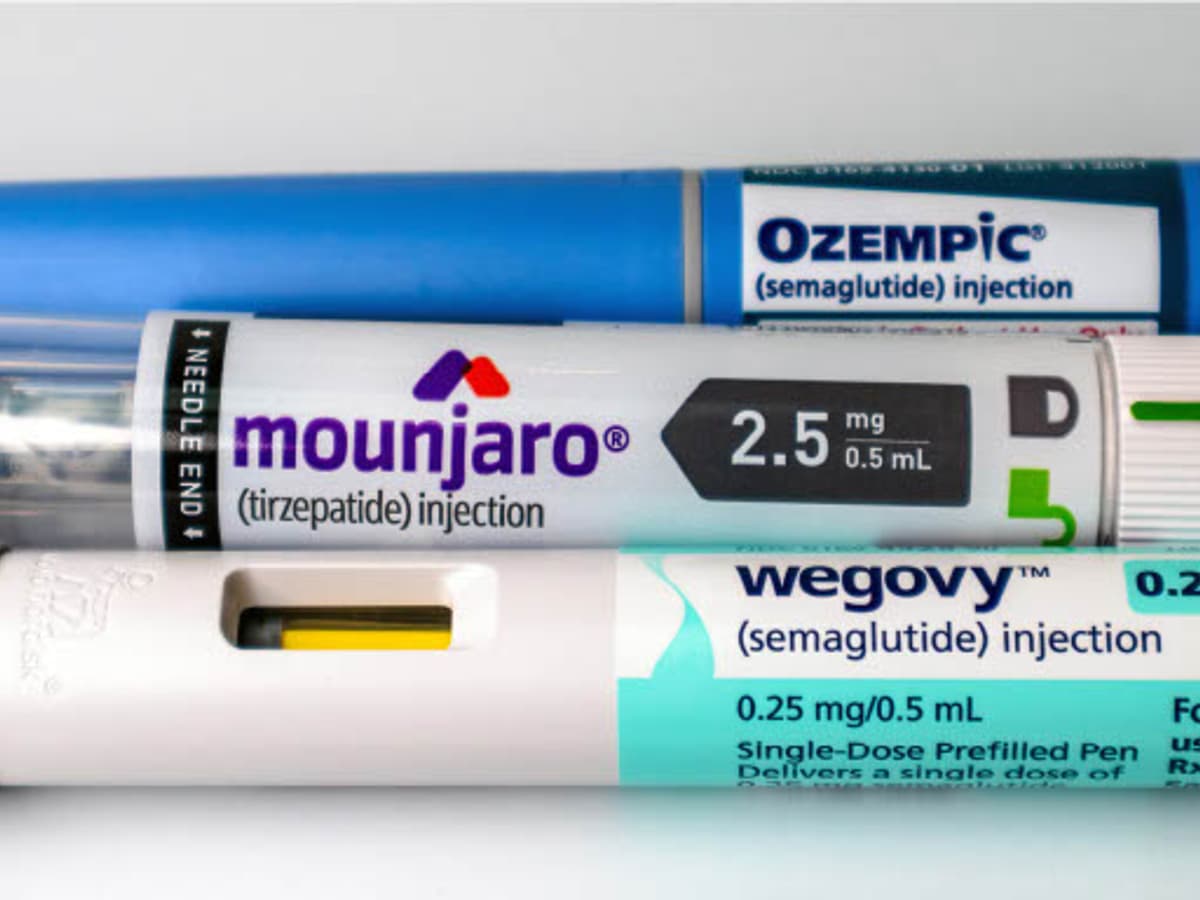
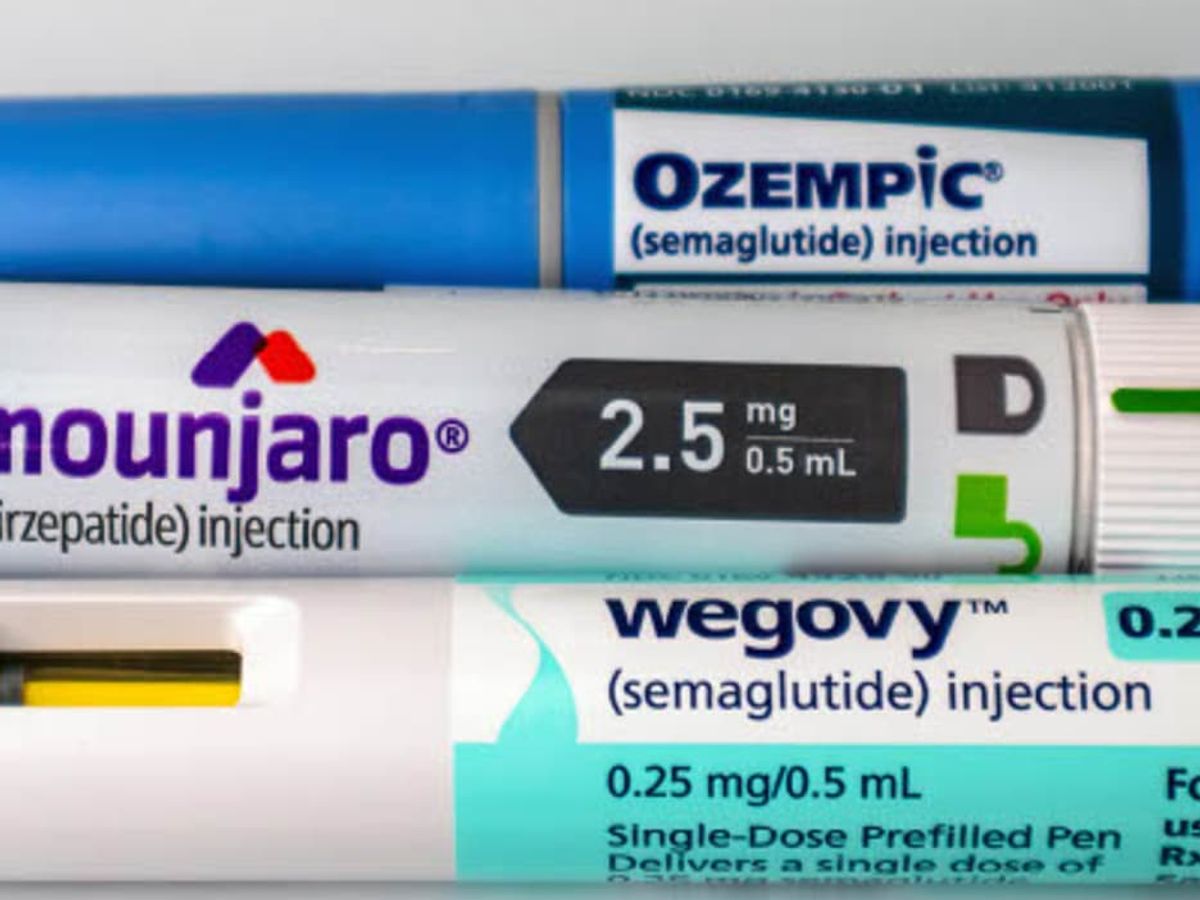
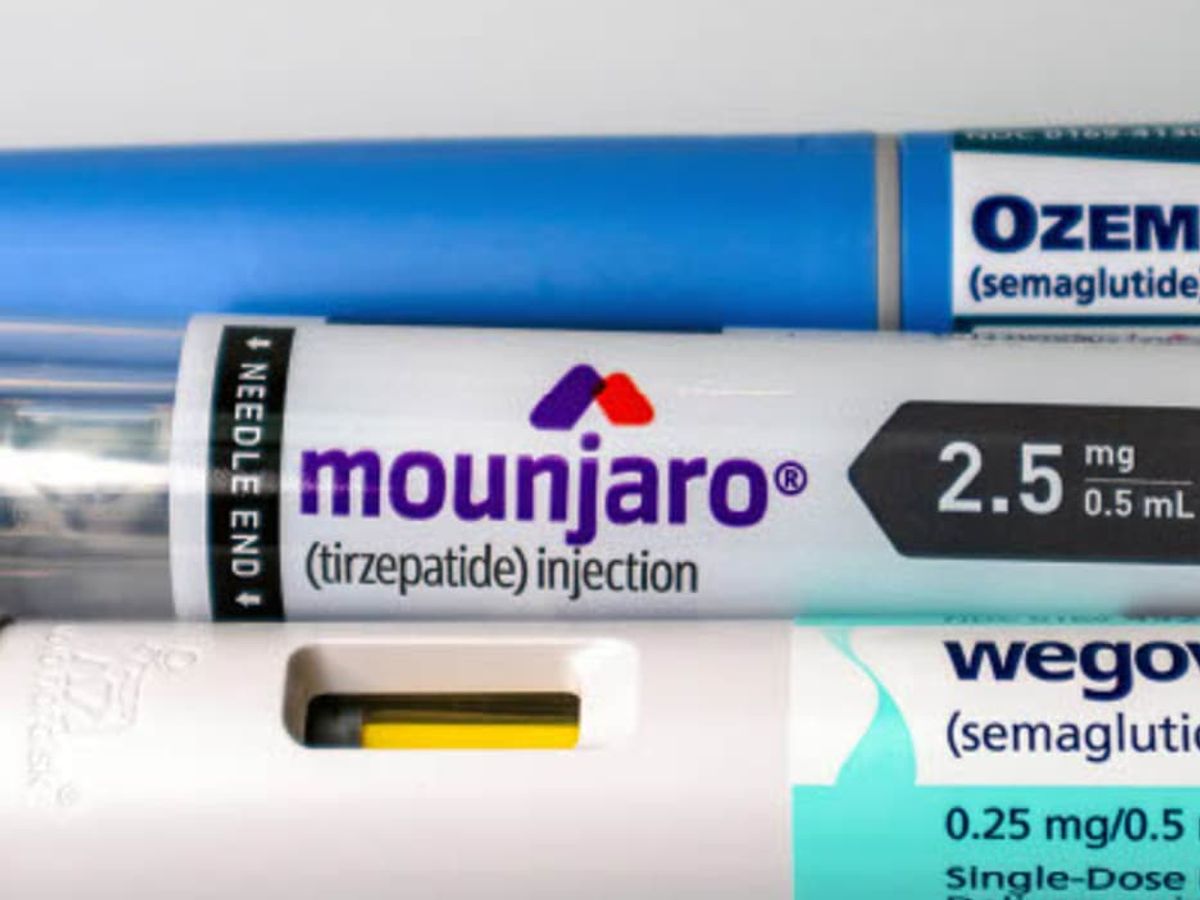
  • Medical Weight Loss (GLP-1) treatment

    Medical Weight Loss (GLP-1)

    $250–$1,500
    →
FAQ

Common questions about med spas in New York

Is going to a med spa safe?

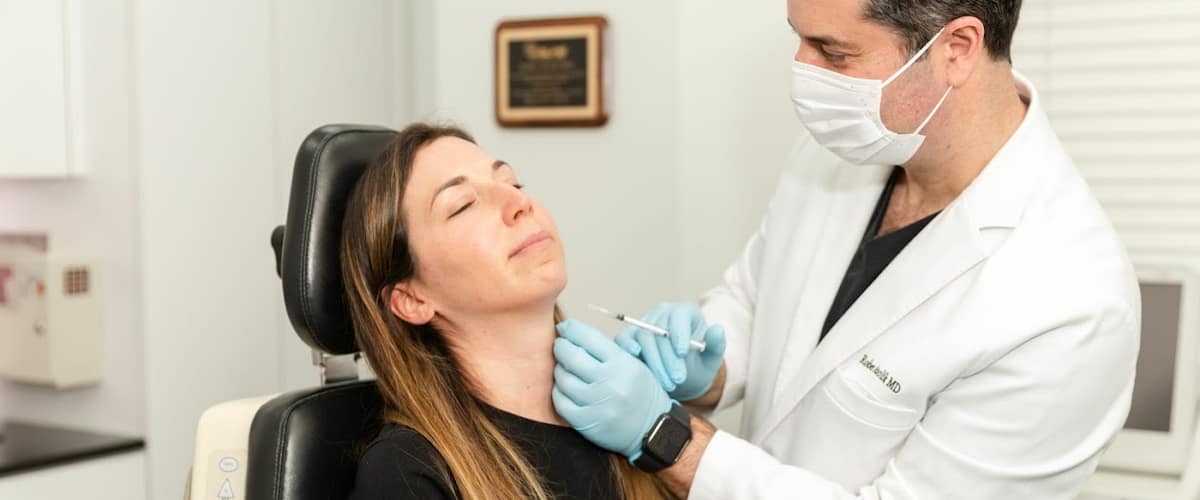
Yes, when you pick the right one. Med spas with physician oversight (an MD or DO medical director) and treatments performed by licensed RNs, NPs, PAs, or physicians have a strong safety record. The biggest safety risks come from undertrained operators using aggressive settings, off-brand products, or skipping proper screening. In New York, all clinics listed on ClinicCompass include verified Google ratings. Read the review themes (look for consistent mentions of cleanliness, professionalism, and clear communication) before booking.
What should I expect at my first med spa appointment?

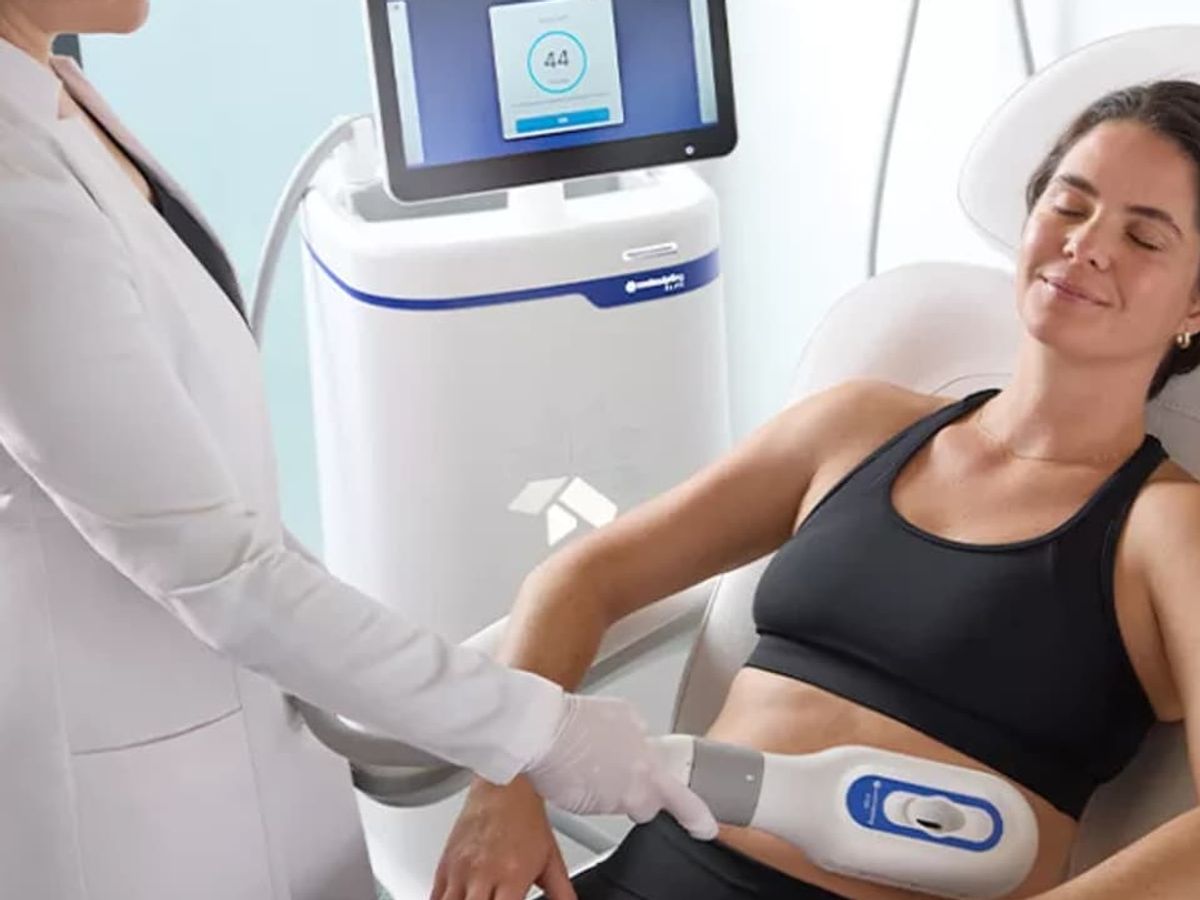
Most first visits start with a 20–45 minute consultation (no actual treatment yet). The provider will ask about your goals, medical history, medications, and budget; they'll examine the relevant area and recommend specific treatments. You should leave with a written plan, clear pricing, and realistic expectations of results. If you feel rushed, pressured to commit on the spot, or upsold on treatments you didn't ask about, that's a red flag. Walk away and consult elsewhere.

What questions should I ask at a med spa consultation?

Bring these: (1) What exactly will you use (specific product, device, settings)? (2) How many of these treatments have you personally done in the past year? (3) What results can I realistically expect, and what can't I expect? (4) What are the risks, and what's your plan if something goes wrong? (5) Can I see before-and-after photos of YOUR work on someone with my concern? (6) What's the total cost, all-in? (7) What happens if I'm not happy with my results? Honest providers welcome these questions; defensive ones are a red flag.

What's the best age to start Botox?

There's no universal "right" age. Most providers recommend starting in your late 20s or early 30s for "preventative Botox," small doses to soften dynamic wrinkles before they set permanently. Starting later (40s, 50s) is also effective; you'll just be treating existing lines rather than preventing them. The best starting point is whenever expression lines start bothering you at rest, not just when you smile or frown.

Does laser hair removal hurt?

Most patients describe it as a snapping or warm-rubber-band sensation with each pulse. Modern lasers include built-in cooling that significantly reduces discomfort, much better than older devices. Sensitive areas (bikini line, upper lip) feel more intense than larger areas (legs, back). Numbing cream is sometimes applied for sensitive zones. Most patients tolerate it without any pain management.

What's the difference between Botox and Dysport?

Both are botulinum toxin type A: same active mechanism, slightly different formulations. Dysport tends to onset 1–2 days faster and may spread slightly more (useful for broad areas like the forehead). Botox is more localized (useful for precise areas like around the eyes). Duration is similar (3–4 months for both). Per-unit pricing differs but the per-treatment cost is comparable. The biggest factor in your results is your injector's skill, not the brand.

Free consultation

Not sure which New York clinic to choose?

Tell us the treatment you want and we will pass your request to one New York clinic that offers it. Free, no obligation, and we never sell your information.

Request a free consultation

One matched clinic reaches out. No obligation.

› Preferred contact time (optional)

By submitting, you agree we may share your name, contact details, and the treatment you asked about with the clinic we match you to, so they can contact you about a consultation. We never sell your information, and you agree to our Terms of Use and Privacy Policy. ClinicCompass is a directory: your consultation, any treatment and any payment are between you and the clinic.