Who Can Legally Inject Botox? (And Who Actually Should)
The law says who's allowed to hold the syringe. It says nothing about who's good with it. A board-certified dermatologist explains the gap between legal minimum and ideal training, including the one-year rule she uses in her own practice.
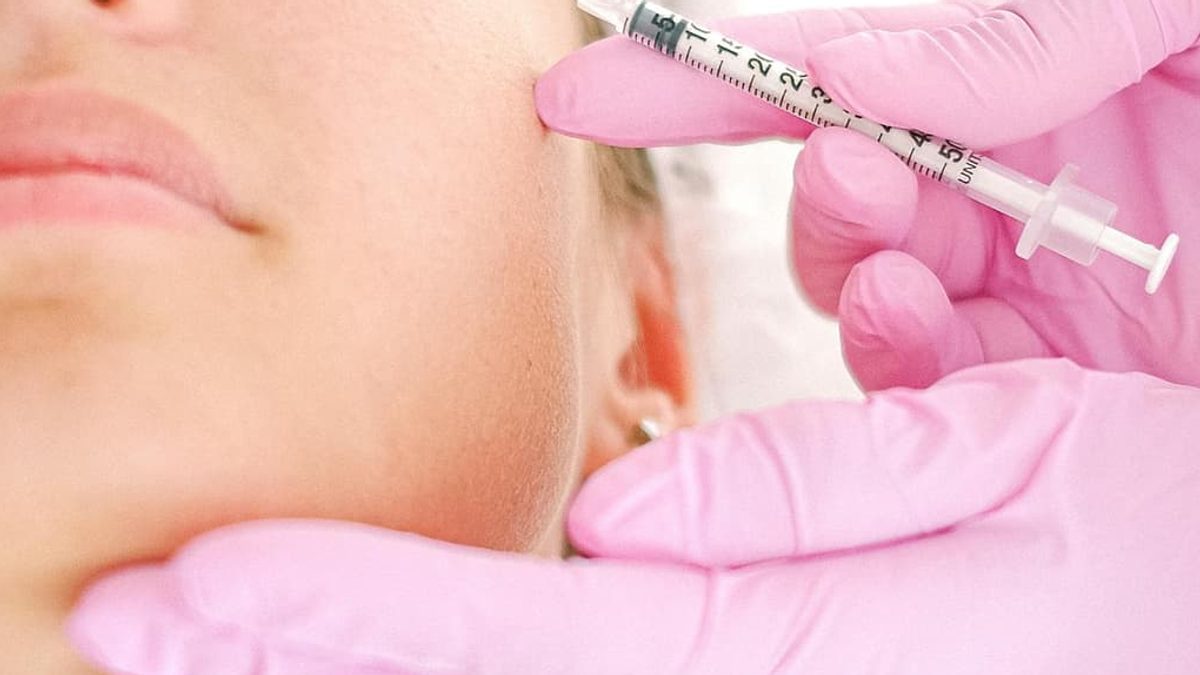
The question of who’s legally allowed to inject Botox or other neuromodulators in Canada and the U.S. is province-dependent and state-dependent. Physicians can inject in every location. Nurse practitioners, physician assistants in the States, RNs, or LPNs can inject under the supervision of a nurse practitioner or a physician, depending on what state or province they’re in. And because Botox is a prescription medication, a prescriber has to be involved somewhere in the process.
That’s the legal answer. The better question is who should be injecting you.
Legal minimum vs. what you actually want
It is preferable to have an aesthetic physician: a dermatologist, a plastic surgeon, or someone who’s gone through extensive training in the aesthetic field. It’s not a good idea to go to someone who’s just had a weekend course or is just starting to inject. You want somebody who has injected a lot of people.
Here’s how seriously I take this in my own practice: I make the nurses work with me medically for at least a year before they start doing any aesthetic injections. Why? I want them to get used to the skin first. They do punch biopsies, steroid injections, and nerve blocks so they get a feel for the different layers:
- the epidermis
- the dermis
- the subcutaneous fat layer
- the muscle layer
They also do subcision, so they learn the levels of the skin, the feeling, and the depths of the different layers. They become versed in the anatomy of the area. And they watch a lot of injections by someone who has been injecting for over 25 years, learning by observing.
A weekend certificate teaches none of that. Injecting well is a skill built on top of knowing skin, and knowing skin takes time.
What “medical direction” should actually mean
It’s important to know that there’s a physician who regularly works at the place where the injections are done, so that if any complications or problems arise, there is a medical director physician who can deal with them appropriately.
If you’re at a place that does not have a physician associated with it who can deal with complications, or someone who can write prescriptions, I would shy away from getting injections at that establishment.
The Botox party problem
It’s not a good idea to have Botox parties where people are consuming alcohol and making medical decisions. Botox is a prescription and should be considered a medical intervention, treated properly with a real medical history and examination. A living room with wine glasses is not a medical setting, and a rushed decision is not informed consent.
Red flags to walk away from
- No medical history taken before injecting
- Price-first menus that sell units like drink specials
- Botox parties, house calls, and hotel-room injections
- Vague answers about who the medical director is or how to reach them
- Product that isn’t branded or that nobody will name
The bottom line
The law sets the floor: a prescriber involved, supervision where required. Your standard should be higher than the floor. An experienced injector with real anatomy training, a physician connected to the practice, and a proper medical assessment before any needle comes out. If any of those three is missing, keep looking.
Choosing a provider? Compare Botox clinics by city with real Google ratings, and read my guides to Botox side effects and when filler goes wrong.
Find a Botox clinic near you
See the clinics in your city that offer it, compare reviews, and request a free consultation.
Your location is used once to pick the nearest city and is never stored.

Dr. Victoria Taraska, MD, FRCPC
Board-Certified Dermatologist
Dr. Victoria Taraska, MD, FRCPC, is a board-certified dermatologist with over 25 years of experience in both medical and cosmetic dermatology. She earned her medical degree from the University of Manitoba, completed internal medicine training there, and finished her dermatology residency at the University of Ottawa. She has been a Fellow of the Royal College of Physicians and Surgeons of Canada in dermatology since 1998, is an active member of the Canadian Dermatology Association and the American Academy of Dermatology, and developed the InforMED patient decision aids for dermatological conditions. Dr. Taraska reviews ClinicCompass treatment content for medical accuracy.
More from Dr. Taraska →This article is for education, not medical advice. Treatment decisions should always be made in consultation with a qualified provider who has examined you.
Keep reading
Dermatology Marketing: How a Derm Practice Fills Its Cosmetic Schedule
A dermatology practice does not lose cosmetic patients to med spas because of price. It loses them because the cosmetic side is hidden behind a medical front desk, a three-month wait and a website written for insurance patients. This is how to give the cosmetic side its own front door and fill it.
Read post → Patient GuideMicroneedling Aftercare and Downtime: The Day-by-Day Guide
Microneedling downtime is short, but the first 48 hours decide whether your result is good. Here is what to expect each day, what to put on your skin and what to keep off it, and the handful of things people do that undo the treatment they just paid for.
Read post → WellnessIs Red Light Therapy Safe? The Risks, the Evidence, and Who Should Skip It
Red light therapy has almost no side effects, which makes it easy to recommend and easy to overpromise. The honest picture: strong evidence for a few uses, thin evidence for most of the claims on the box, and a short list of people who should not sit under the panel.
Read post →Find Botox providers in your city
Compare vetted clinics with real Google ratings, see honest local cost ranges, and request a free consultation.