

Medical Weight Loss · Boston, Massachusetts
Medical Weight Loss (GLP-1) in Boston
Physician-supervised weight loss programs using FDA-approved GLP-1 injections (semaglutide, tirzepatide) and compounded alternatives to deliver an average of 15–20% body weight reduction over 12 months. Compare Boston clinics below and request a free consultation.
Typical price range
$250–$1,500
per month · USD
A general range for Medical Weight Loss (GLP-1), not specific to Boston. Each clinic sets its own price, so confirm it at your consultation.
Clinic directory 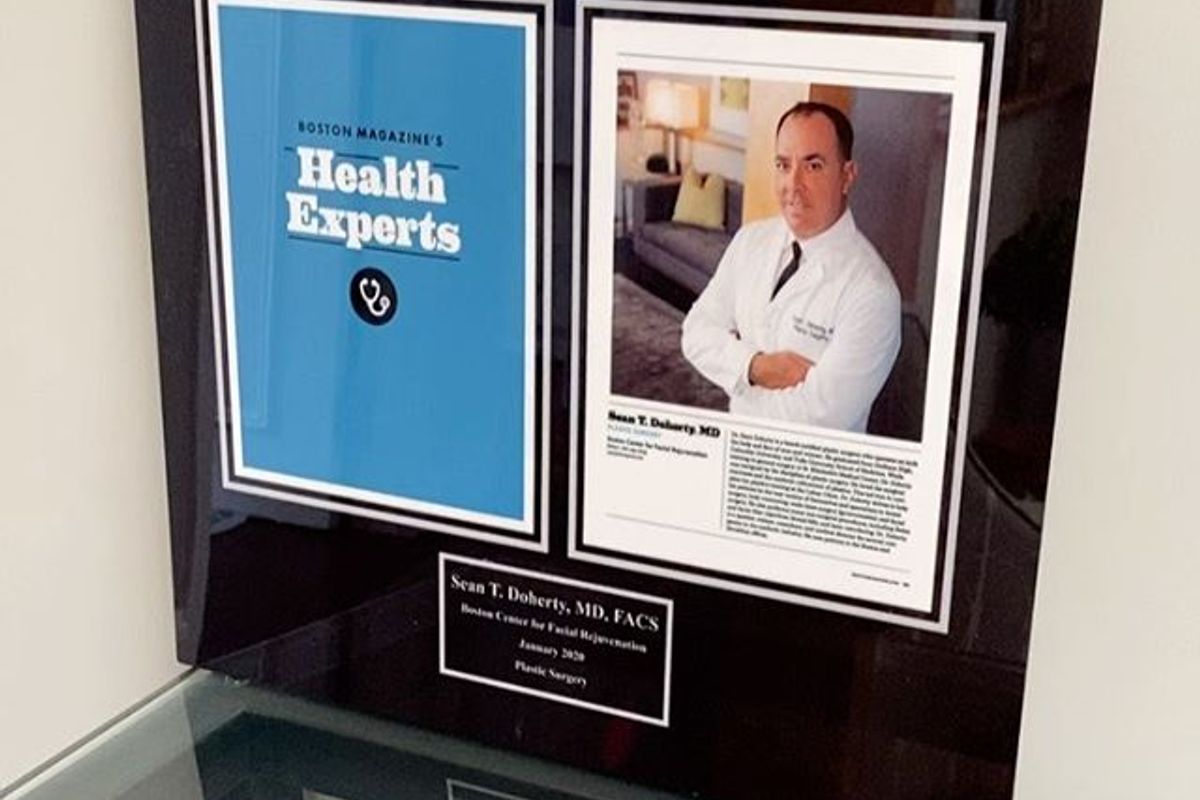




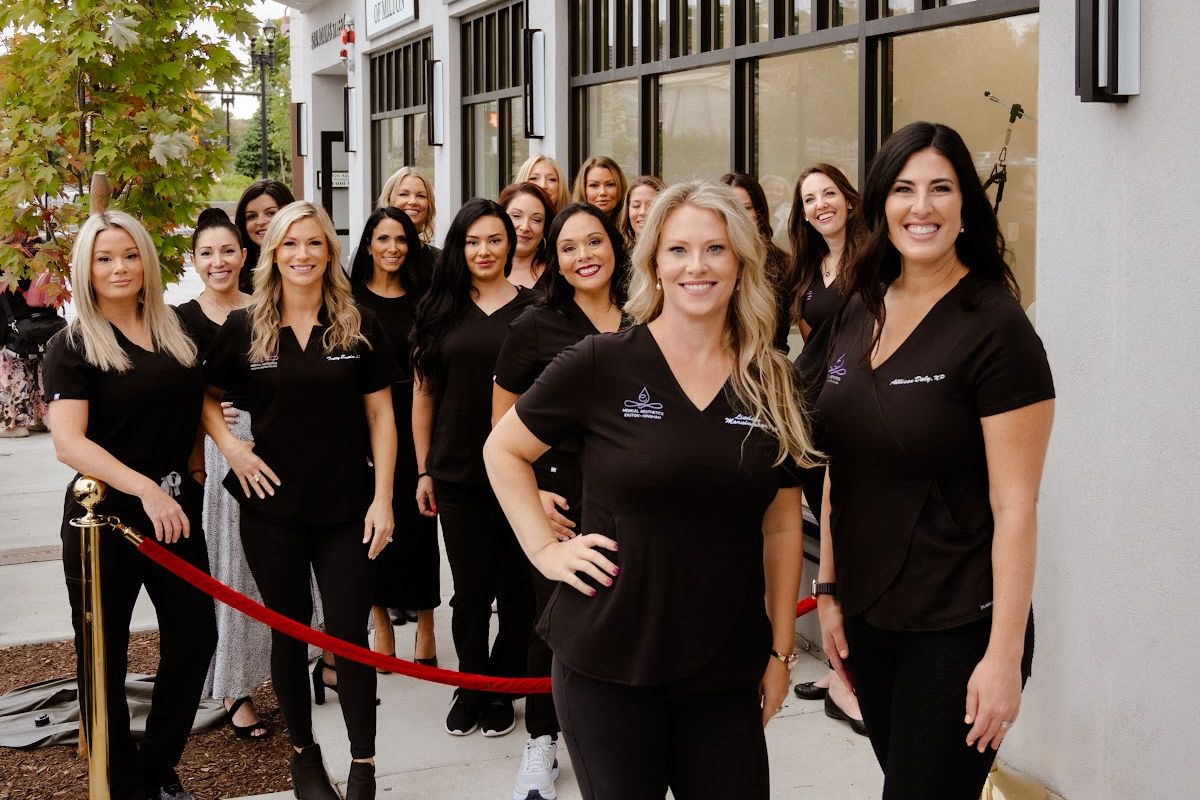
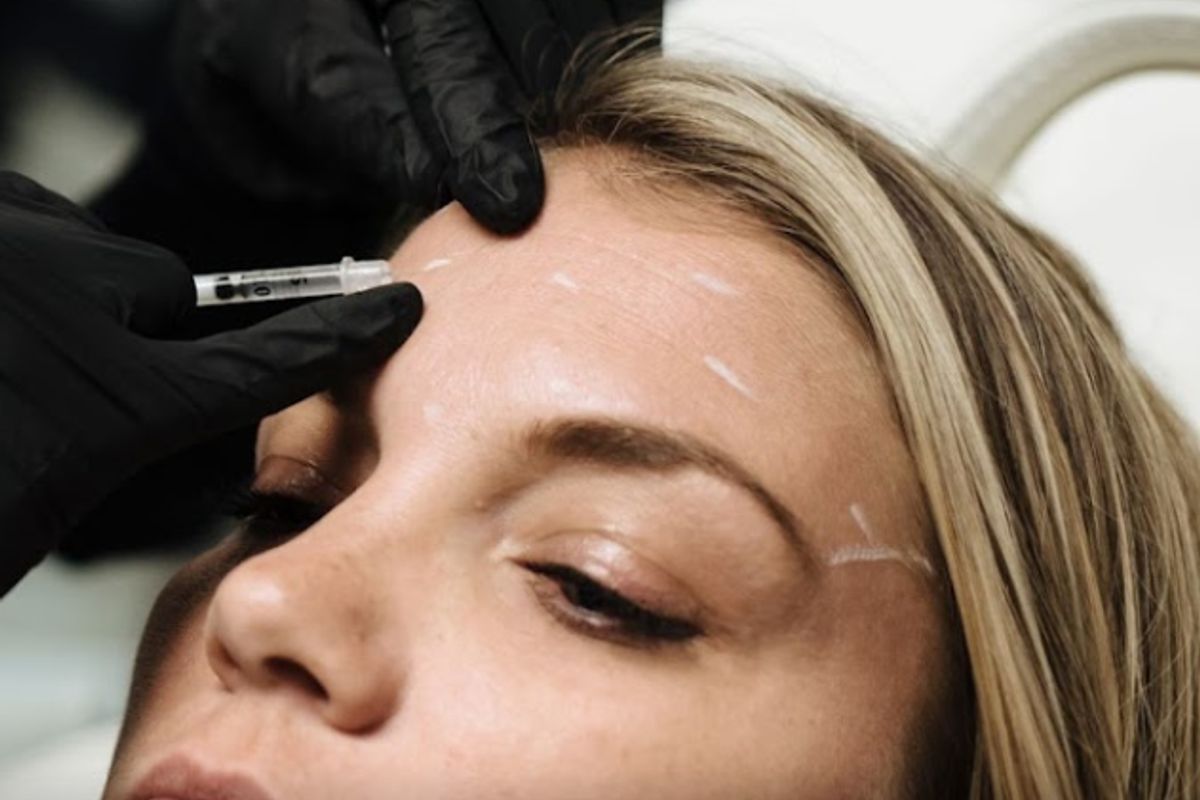




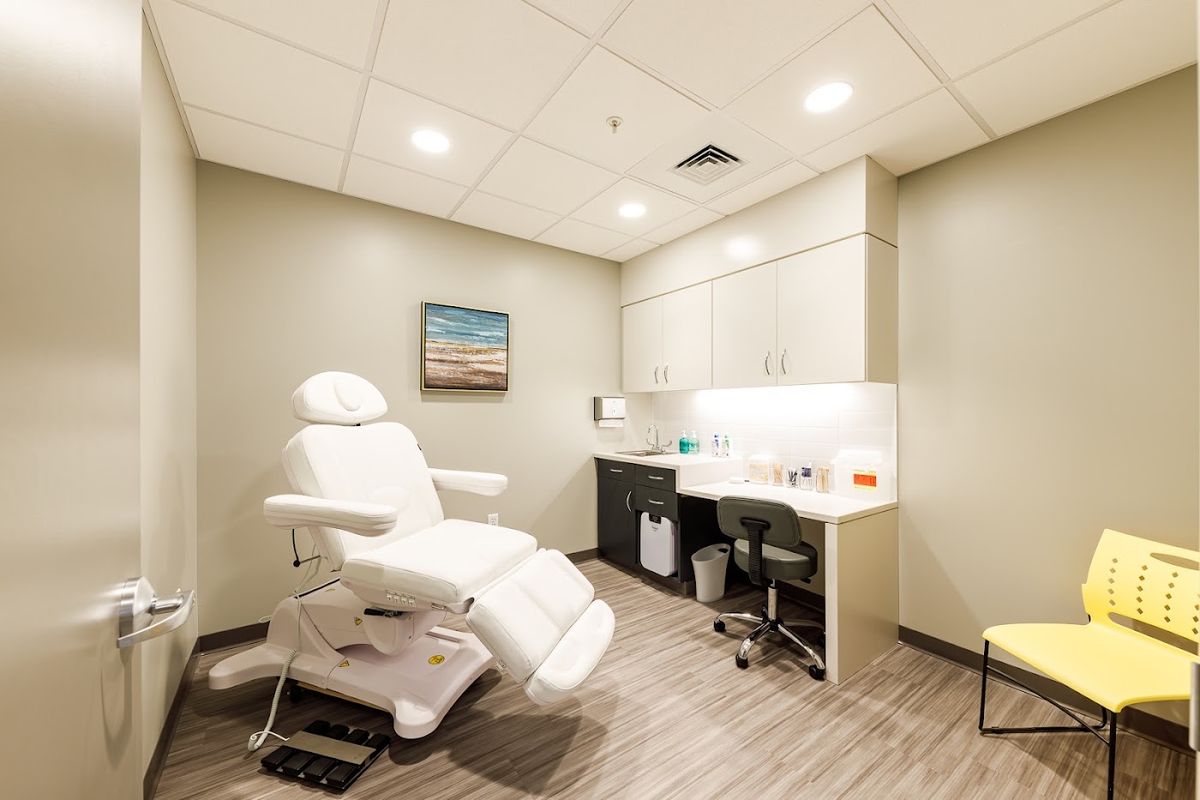
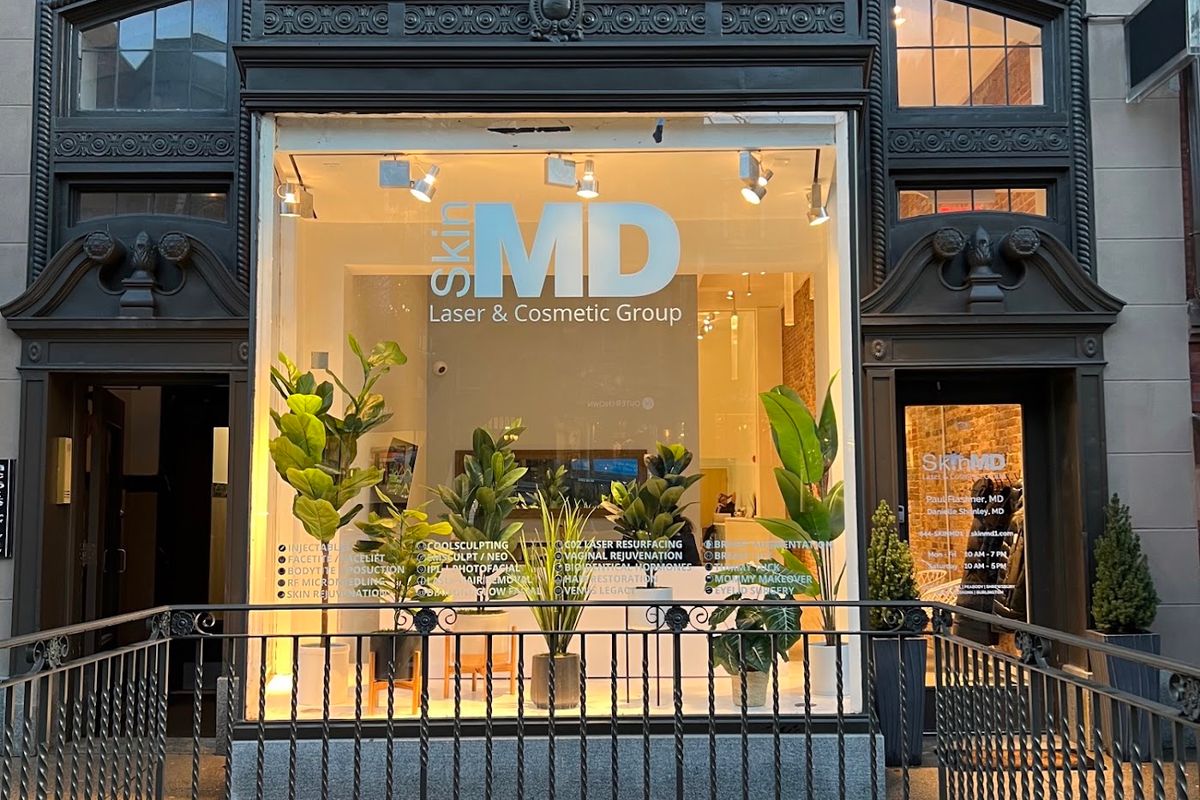
Medical Weight Loss (GLP-1) clinics in Boston
Ranked by Google rating, weighted by how many reviews back it. Tap any clinic to view details and request a consultation.
Boston Center for Plastic Surgery-Chestnut Hill
Chestnut Hill · about 6 mi from Boston
Financing available
View clinic →
Vega Vitality MedSpa & Wellness - Back Bay Boston
Back Bay · Boston
View clinic →
Local insights
Where to find Medical Weight Loss (GLP-1) in Boston
20 clinics offer Medical Weight Loss (GLP-1) across the Boston metro with providers in Dorchester, Boston, Chestnut Hill, Milton, Brookline. Boston's established aesthetic clusters around Back Bay, Newton, Cambridge, where pricing typically runs at the upper end of the local range.
Medical Weight Loss (GLP-1) generally runs $250–$1,500 per month , and each Boston clinic sets its own price. Compare the 20 listed clinics above, request consultations from your top two or three picks, and confirm exact pricing directly with each provider. 9 of the 20 say on their own websites that they offer financing or payment plans; ask about approval and interest before you book.
About Medical Weight Loss (GLP-1)
Physician-supervised weight loss programs using FDA-approved GLP-1 injections (semaglutide, tirzepatide) and compounded alternatives to deliver an average of 15–20% body weight reduction over 12 months.
Sessions
Weekly self-injection, ongoing for 6–18 months
Downtime
None. Mild nausea or fatigue possible in the first weeks of dose escalation
Good candidate
Adults with BMI 30+, or BMI 27+ with weight-related conditions like prediabetes, high blood pressure, or sleep apnea, and who are willing to commit to ongoing treatment
- Average 15–20% body weight loss over 12–18 months, among the most effective non-surgical weight loss available
- Reduces appetite and food cravings via natural hormonal pathways
- Improves blood sugar, blood pressure, and other metabolic markers
- Med spa programs typically include initial labs, nutrition guidance, and ongoing supervision
FAQ
Medical Weight Loss (GLP-1) in Boston: common questions
How much does Medical Weight Loss (GLP-1) cost in Boston?
Medical Weight Loss (GLP-1) generally runs $250–$1,500 per month, and each Boston clinic sets its own price. The biggest variables are the provider's experience level and the specific device or product used. Newer technology and senior injectors price at the upper end. Pricing is quoted in US dollars (USD). Request a consultation from any of our listed Boston clinics for a personalized quote.
How many Medical Weight Loss (GLP-1) providers are in Boston?
ClinicCompass lists 20 verified Boston-area clinics offering Medical Weight Loss (GLP-1), concentrated in Dorchester, Boston, Chestnut Hill, Milton. Each listing includes real Google ratings so you can compare reputable options side by side before booking a consultation.
Who's the top-rated Medical Weight Loss (GLP-1) provider in Boston?
Among our 20 listed Boston providers for Medical Weight Loss (GLP-1), Dam Medspa has the strongest Google record once review volume is weighed: 5★ across 329 reviews (located in Dorchester). "Best" is subjective. Compare 2–3 Boston clinics before committing.
Brand-name vs compounded semaglutide: which should I pick?
Brand-name (Wegovy, Zepbound) is FDA-approved, consistent, and typically $1,000–$1,500/month without insurance. Compounded versions cost $200–$500/month but are NOT FDA-approved, and the FDA has phased out semaglutide compounding under shortage rules as of 2025. Tirzepatide compounding is under similar scrutiny. Ask any Boston med spa exactly which formulation they prescribe, where it's sourced, and whether it's currently compliant.
What happens when I stop taking weight loss injections?
Most patients regain a meaningful portion of lost weight within 12 months of stopping. Clinical studies show approximately two-thirds returns. The drugs work by suppressing appetite while you take them; they don't permanently change your metabolism. To maintain results long-term you can: stay on a lower maintenance dose, build sustained lifestyle habits while on the medication, or accept some regain as the trade-off. Discuss exit strategy with your Boston provider before starting, not after a year in.
How much weight will I lose on semaglutide or tirzepatide?
Clinical trial averages: semaglutide (Wegovy) patients lost approximately 15% of body weight over 68 weeks; tirzepatide (Zepbound) patients lost approximately 20–22% over 72 weeks. Real-world results vary widely: some patients lose more, some lose less, and a subset (5–15%) are "non-responders" who see minimal results. Most weight loss happens in the first 6–12 months as the dose is gradually escalated to the maximum tolerated level. Results require continued use; stopping typically leads to gradual weight regain.
What's the difference between brand-name and compounded semaglutide?
Brand-name versions (Ozempic, Wegovy, Mounjaro, Zepbound) are FDA-approved, manufactured under strict regulatory oversight, and typically cost $1,000–$1,500/month without insurance. Compounded versions are made by compounding pharmacies. They're significantly cheaper ($200–$500/month) and were widely available during recent FDA-declared shortages. Important: as of 2025, FDA declared the semaglutide shortage resolved, and compounding under those rules is being phased out. Tirzepatide compounding is also under regulatory scrutiny. The FDA has issued warnings about quality control with some compounded versions. Ask any med spa exactly which formulation they use, where it's sourced, and whether it's currently compliant with FDA rules.
How much does medical weight loss cost per month?
Compounded GLP-1 programs at med spas typically run $250–$500/month, including the medication, supplies, and monthly check-ins. Brand-name semaglutide (Wegovy) or tirzepatide (Zepbound) without insurance runs $1,000–$1,500/month. Most patients only afford the brand versions when insurance covers them. Med spa programs often bundle in initial labs ($150–$300 one-time), nutrition guidance, and dose adjustments. Telehealth-only services (Hims, Ro, Henry Meds) often price lower than med spas but provide less in-person support.
What are the side effects of GLP-1 weight loss medications?
Common (most patients): nausea, especially during dose increases, often improves over 4–8 weeks. Other frequent side effects: fatigue, constipation, diarrhea, decreased appetite (which is partly the point), and acid reflux. Less common but more serious: pancreatitis, gallbladder issues (gallstones), kidney problems with severe dehydration. The drugs carry a boxed warning for thyroid C-cell tumors based on animal studies. Humans with personal or family history of medullary thyroid cancer or MEN-2 syndrome should not take these. "Ozempic face" refers to facial volume loss from rapid weight loss, common enough that many patients pair GLP-1 use with fillers or Sculptra to maintain facial volume.
What happens when I stop taking semaglutide or tirzepatide?
Most patients regain a meaningful portion of lost weight within 12 months of stopping: roughly two-thirds of people who stop semaglutide, and about half who stop tirzepatide, regain the weight unless their eating patterns and exercise have changed significantly. This is because GLP-1s primarily work by suppressing appetite while you're on them; the underlying biology of weight regulation doesn't permanently change. To maintain results long-term, patients either continue indefinitely (at a maintenance dose, typically lower than the weight-loss dose) or pair the medication with sustained lifestyle changes during treatment. "How do I get off GLP-1" is one of the most-discussed topics in patient communities. Discuss exit strategy with your provider before starting.
Should I get GLP-1 from a med spa, a doctor's office, or a telehealth service?
Each has trade-offs. **Med spa**: In-person care, often offers compounded versions at lower cost than brand-name, may include nutrition counseling and body contouring add-ons (CoolSculpting, Emsculpt), monthly supervision. **Primary care doctor**: Best for navigating insurance coverage of brand-name versions, integrating with existing health management, longer-term medical relationship. **Telehealth (Hims/Henry/Ro)**: Lowest cost, fast approval, fully online, but less personalized care and limited support for complications. Most patients who want compounded options and in-person guidance choose med spas; those with insurance coverage often go through their primary care doctor.
Who qualifies for GLP-1 weight loss treatment?
FDA-approved indications: BMI 30+ (obese), or BMI 27+ (overweight) with a weight-related health condition like type 2 diabetes, prediabetes, high blood pressure, high cholesterol, or sleep apnea. Many med spas will treat patients with somewhat lower BMI on an off-label basis. Disqualifications: personal or family history of medullary thyroid cancer or MEN-2 syndrome, history of pancreatitis, severe gastrointestinal disease, pregnancy/breastfeeding, or active eating disorders. A proper med spa program should include initial labs, medical history review, and ongoing provider oversight, not just a quick form and an injection.
Why combine GLP-1 with body contouring like CoolSculpting?
Significant weight loss often leaves two cosmetic concerns GLP-1s alone don't address: (1) loose skin where fat was lost, and (2) stubborn pockets of fat that don't respond to overall weight loss (love handles, lower abdomen, inner thighs). Many patients pair GLP-1 use with **CoolSculpting** or **Emsculpt NEO** in the maintenance phase (after most weight loss is complete) to address stubborn fat, and with **Morpheus8** or **skin tightening** to address loose skin. Combining is logical, but timing matters: most providers recommend reaching stable weight before doing body contouring.
More in Boston
Explore other treatments and clinics available locally.
All Boston treatments & clinics Nearby cities
See Medical Weight Loss (GLP-1) in all 427 cities → Medical Weight Loss (GLP-1) near Boston
Medical Weight Loss (GLP-1) in Newton Massachusetts → Medical Weight Loss (GLP-1) in Framingham Massachusetts → Medical Weight Loss (GLP-1) in Providence Rhode Island → Medical Weight Loss (GLP-1) in Manchester New Hampshire → Medical Weight Loss (GLP-1) in Portsmouth New Hampshire → Medical Weight Loss (GLP-1) in Cape Cod Massachusetts → Medical Weight Loss (GLP-1) in Springfield Massachusetts → Medical Weight Loss (GLP-1) in Hartford Connecticut → Medical Weight Loss (GLP-1) in West Hartford Connecticut → Medical Weight Loss (GLP-1) in Portland Maine → Medical Weight Loss (GLP-1) in New Haven Connecticut → Medical Weight Loss (GLP-1) in Bridgeport Connecticut →