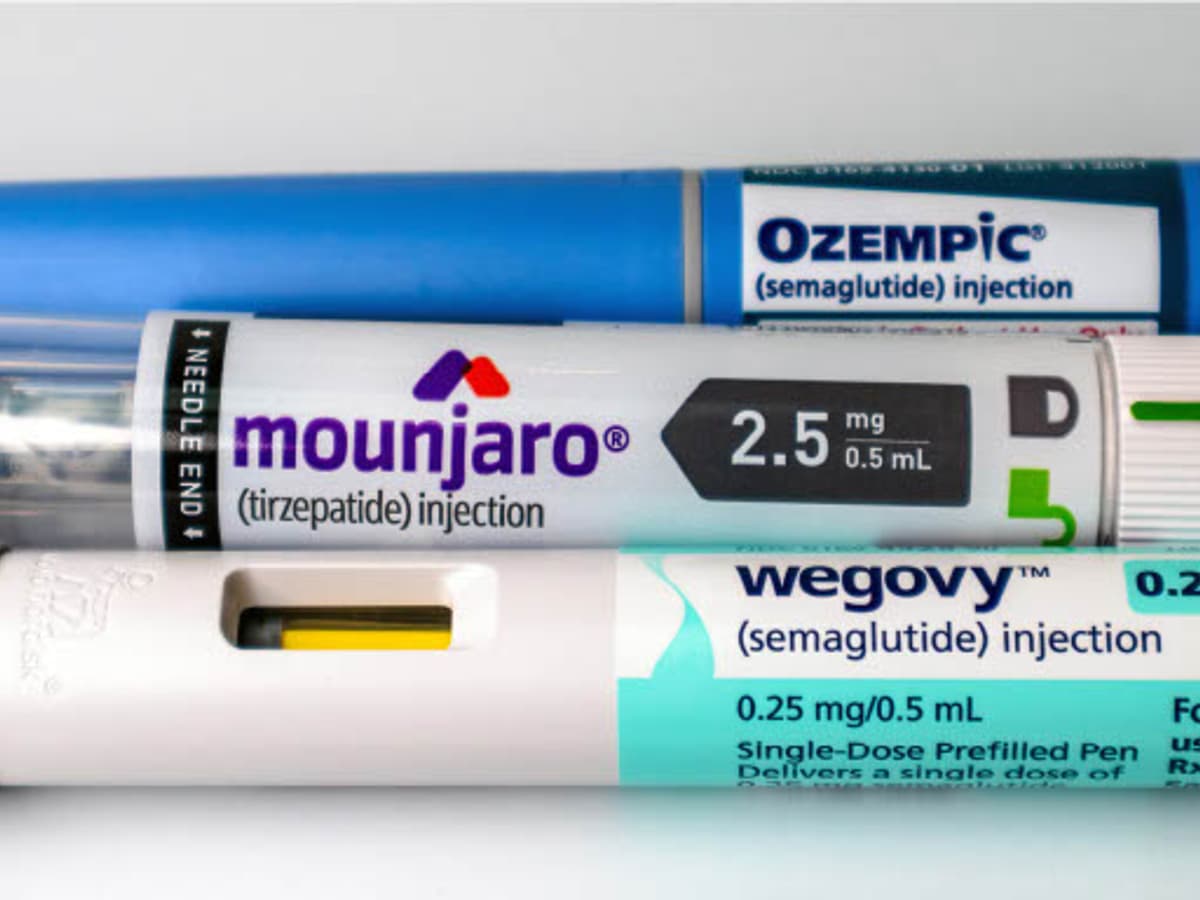
Medical weight loss using GLP-1 receptor agonists (semaglutide and tirzepatide) is the most significant development in non-surgical weight loss in decades. Med spas have become major providers of these treatments, offering brand-name FDA-approved options (Wegovy, Zepbound) and historically compounded alternatives at significantly lower prices.
This guide covers what to know before starting GLP-1 therapy at a med spa: how they work, what to expect, costs, real risks, and how to choose between med spa, primary care, and telehealth providers.
What GLP-1 medications actually do
GLP-1 stands for glucagon-like peptide-1, a hormone your gut naturally produces after you eat. It signals satiety to your brain, slows stomach emptying, and helps regulate blood sugar.
GLP-1 medications are synthetic versions that mimic this hormone but last much longer in your system (most are weekly injections). When taken consistently, they:
- Reduce appetite and food cravings: patients consistently report eating dramatically less without conscious effort
- Slow digestion: you feel full longer after meals
- Improve insulin sensitivity: important for patients with prediabetes or type 2 diabetes
- Promote weight loss of 15–20% of body weight on average over 12–18 months
The two main classes used for weight loss:
- Semaglutide, sold as Ozempic (for type 2 diabetes), Wegovy (FDA-approved for weight loss), and Rybelsus (oral version)
- Tirzepatide, newer dual GLP-1/GIP agonist, sold as Mounjaro (diabetes) and Zepbound (weight loss). Generally produces greater weight loss than semaglutide in head-to-head trials.
Brand-name vs. compounded: the critical distinction
This is the most important thing to understand before choosing a med spa program.
Brand-name medications (Wegovy, Zepbound, Ozempic, Mounjaro):
- FDA-approved with full regulatory oversight
- Manufactured by Novo Nordisk (semaglutide) and Eli Lilly (tirzepatide)
- Cost typically $1,000–$1,500/month without insurance
- With insurance coverage: often $25–$200/month copays
- Reliable, consistent dosing
Compounded versions (made by compounding pharmacies):
- NOT FDA-approved as products: compounded versions of FDA-approved drugs that pharmacies can legally prepare during declared shortages
- Significantly cheaper: $200–$500/month
- Quality varies by compounding pharmacy
- As of 2025, FDA declared the semaglutide shortage resolved, meaning compounded semaglutide is being phased out under FDA rules
- Tirzepatide compounding also under increasing regulatory scrutiny
- The FDA has issued multiple warnings about adverse events linked to compounded versions, particularly those containing unapproved ingredients like “research-grade” peptides
What to ask any med spa offering GLP-1s:
- Exactly which medication and dose are you prescribing? (e.g., “compounded semaglutide” or “Wegovy”)
- Which pharmacy compounds it? (Reputable 503A or 503B compounding pharmacies are safer)
- Is it currently compliant with FDA regulations?
- What’s included in the monthly cost: supplies, follow-ups, labs?
If a med spa is vague or evasive about the source, find a different provider.
What to expect during treatment
Month 1–3 (dose escalation): The provider starts with the lowest dose to minimize side effects. Most common: nausea, especially in the first 1–2 weeks after each dose increase. Some patients have to slow the escalation. You’ll begin to notice reduced appetite and earlier satiety.
Month 3–6 (active weight loss): You’re at the target dose. Weight loss typically accelerates. Most patients lose 5–10% of body weight in this phase. Side effects often stabilize or improve.
Month 6–12 (continued loss + maintenance): Weight loss continues but typically slows. Reaching the average 15–20% body weight loss usually requires staying at the target dose for the full year.
Month 12+ (maintenance): Some patients transition to a lower maintenance dose; others continue at the full dose. A subset successfully stop the medication after locking in lifestyle changes, though weight regain risk is significant.
Realistic expected results
Based on clinical trials and real-world data:
- Semaglutide (Wegovy): Average 14.9% body weight loss over 68 weeks
- Tirzepatide (Zepbound): Average 20.9% body weight loss over 72 weeks (highest dose)
- Compounded versions: Generally similar results when dosing is equivalent and quality is good
But “average” hides huge variation:
- Approximately 1/3 of patients lose more than 20% of body weight
- Approximately 1/3 lose moderate amounts (5–15%)
- Approximately 1/3 lose less than 5% (“non-responders”)
There’s no reliable way to predict who will respond strongly before starting.
The “Ozempic face” problem
Rapid significant weight loss (anywhere from 30 lbs+) often causes noticeable facial volume loss because subcutaneous fat shrinks faster than skin can adapt. This is colloquially called “Ozempic face”: gaunt cheeks, deeper smile lines, sometimes a more aged appearance.
Many patients address this proactively with:
- Dermal fillers (cheek augmentation as weight loss progresses)
- Sculptra (collagen-stimulating filler for gradual long-term volume restoration)
- Morpheus8 for skin tightening
- Sofwave or Ultherapy for jawline definition
A good med spa offering GLP-1 programs will discuss this proactively and may bundle aesthetic add-ons.
Side effects and serious risks
Common (manageable, often temporary):
- Nausea (especially during dose increases)
- Fatigue
- Constipation or diarrhea
- Decreased appetite (this is partly the point)
- Acid reflux
Less common but more serious:
- Pancreatitis (severe abdominal pain; seek emergency care)
- Gallbladder problems (often gallstones; more common during rapid weight loss)
- Kidney injury from severe dehydration (drink water)
- Allergic reactions
Important warnings:
- Thyroid C-cell tumors boxed warning (based on rat studies). People with personal or family history of medullary thyroid cancer or MEN-2 syndrome should NOT take these.
- Pregnancy/breastfeeding: not recommended.
- Eating disorders: anorexia and other eating disorders are a potential contraindication; they need screening and an honest conversation before starting.
- Severe gastrointestinal disease: discuss with provider.
What happens when you stop
This is the question most patients ask too late. Clinical studies consistently show:
- Most patients regain weight after stopping: roughly two-thirds of semaglutide patients and about half of tirzepatide patients, unless eating patterns and exercise have changed significantly
- Hunger and food cravings typically return within weeks of stopping
- The drugs don’t permanently change your underlying metabolism
Long-term options:
- Continued use at full or reduced maintenance dose
- Cycling off and back on (less supported by data)
- Aggressive lifestyle change during treatment to extend benefits after stopping (limited evidence, but better than no plan)
Discuss your exit strategy with your provider before starting, not after a year on the medication.
Med spa vs. doctor vs. telehealth: choosing the right provider
| Med spa | Primary care | Telehealth (Hims/Ro/Henry) | |
|---|---|---|---|
| Best for | Compounded options + in-person care + body contouring add-ons | Insurance navigation for brand-name; integrated health management | Lowest cost; fastest access |
| Brand-name vs compounded | Mostly compounded | Both (usually brand if covered) | Mostly compounded |
| Provider type | NP, PA, or MD | MD or DO | NP via telehealth |
| In-person visits | Yes, monthly typical | Yes | Rarely or never |
| Cost without insurance | $250–$500/month | $1,000–$1,500/month (brand) | $150–$400/month |
| Add-ons | Body contouring, fillers, nutrition | Comprehensive medical care | Limited |
Choose a med spa if you want in-person care, plan to pair weight loss with body contouring or filler later, and don’t have insurance coverage for brand-name versions.
Choose your primary care doctor if you have insurance that covers Wegovy or Zepbound, or if you need integrated management of multiple health conditions.
Choose telehealth if cost is the dominant factor, you’re a confident self-manager, and you’re comfortable with fully-remote care.
Bottom line
GLP-1 medical weight loss is genuinely effective for the right patient: average 15–20% body weight loss is dramatic compared to anything previously available without surgery. It’s also a real medical treatment with real risks, real costs, and real downsides (especially if you stop). The best programs combine the medication with nutrition guidance, ongoing supervision, and a plan for what happens when you stop.
If you’re considering it, find a med spa that:
- Requires labs and a medical history review before starting
- Is transparent about whether they prescribe brand-name, compounded, or both
- Discusses side effects, risks, and exit strategy honestly
- Offers ongoing monthly check-ins
Browse Medical Weight Loss / GLP-1 providers near you on ClinicCompass to compare local options and request a consultation.
Where to compare medical weight loss (GLP-1)
GLP-1 programs (semaglutide, tirzepatide) are priced monthly and vary by clinic and medication. Compare Dallas, Atlanta, Phoenix, and Tampa. Many patients pair a GLP-1 program with Emsculpt NEO or CoolSculpting to address loose or stubborn areas as they lose weight.
Choosing your medication
The two GLP-1s dominate the category, and they’re different enough to deserve their own deep dives: semaglutide (Wegovy/Ozempic: the longest track record and broadest insurance coverage) and tirzepatide (Zepbound/Mounjaro: the strongest trial results, winner of the 2025 head-to-head). Undecided? Start with our semaglutide vs. tirzepatide comparison.