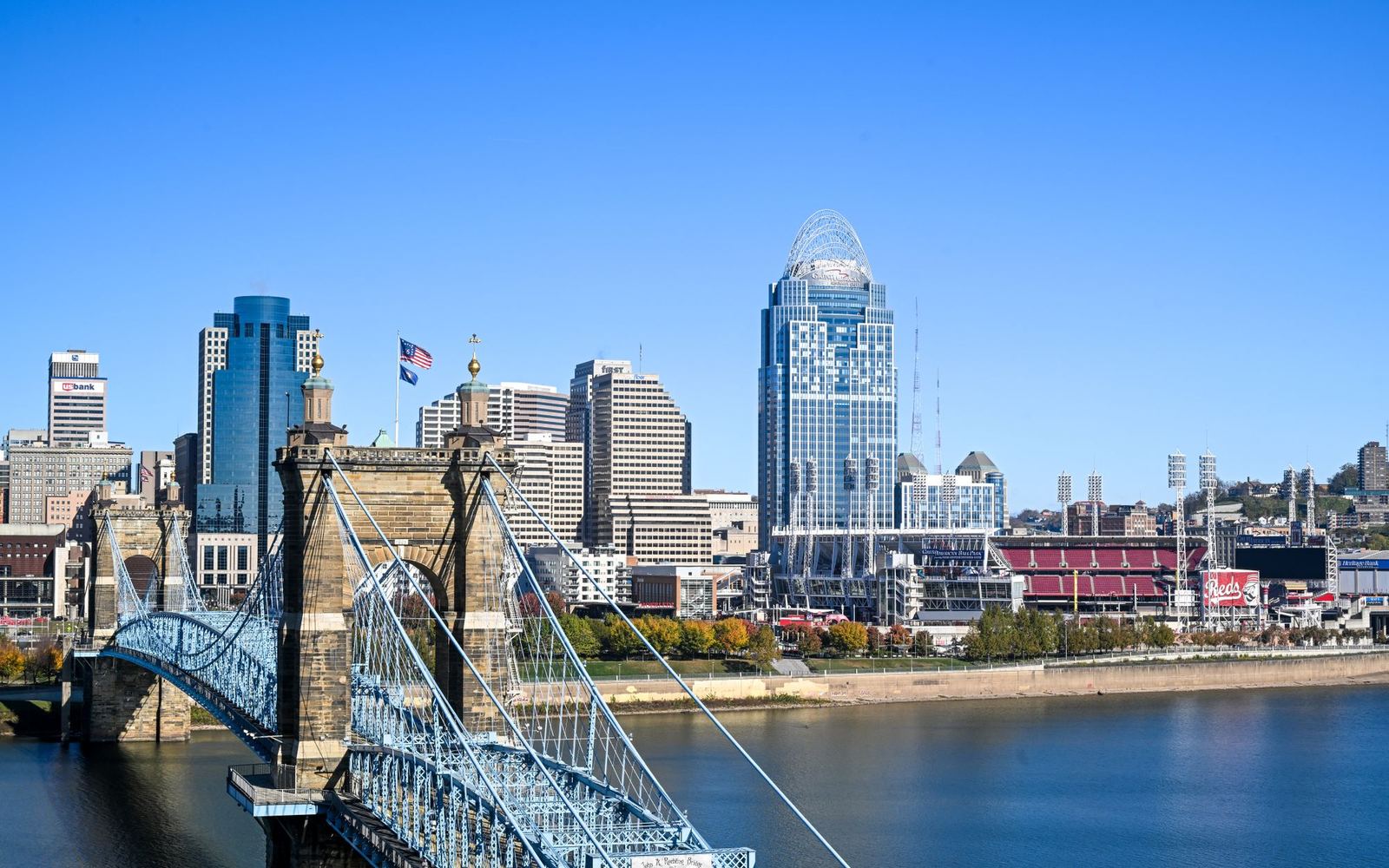
Injectables · Cincinnati, Ohio
Botox in Cincinnati
A non-surgical injectable treatment that temporarily relaxes specific facial muscles to smooth dynamic wrinkles like frown lines, forehead lines, and crow's feet. Compare Cincinnati clinics below and request a free consultation.
Typical price range
$200–$600
per treatment area · USD
A general range for Botox, not specific to Cincinnati. Each clinic sets its own price, so confirm it at your consultation.
Clinic directory 
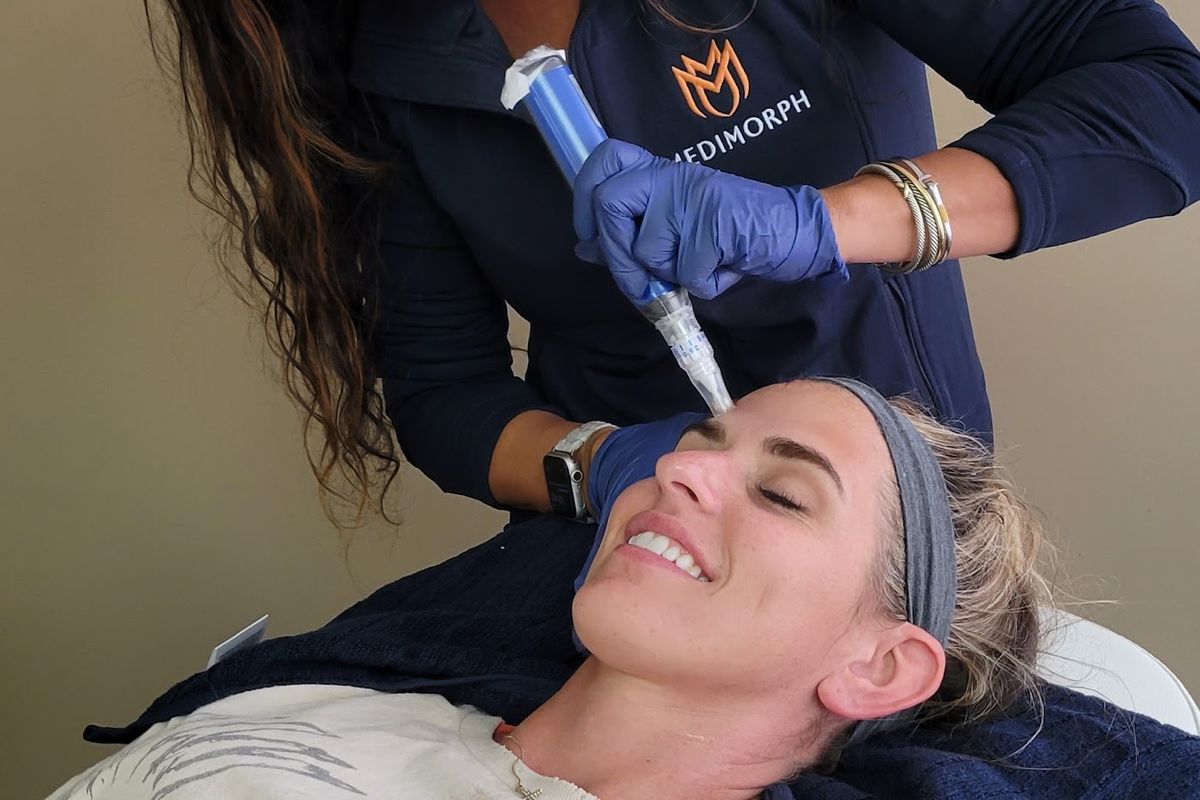
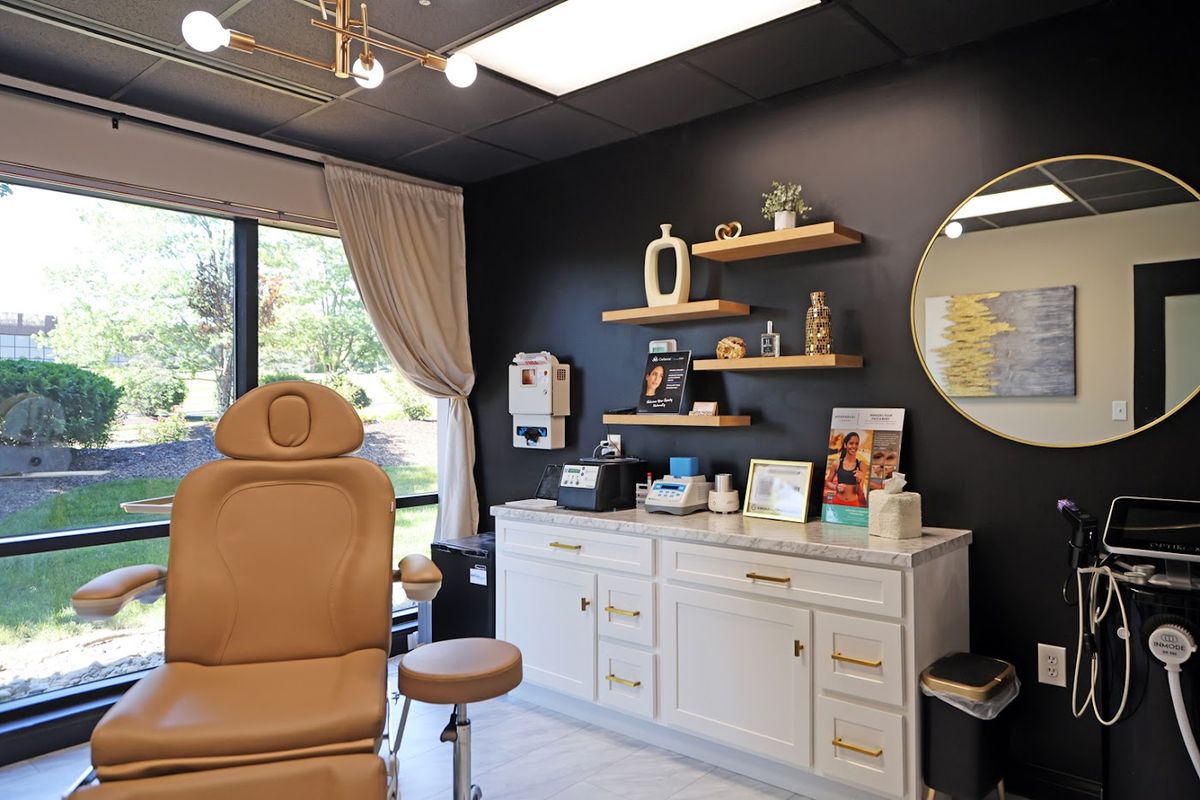
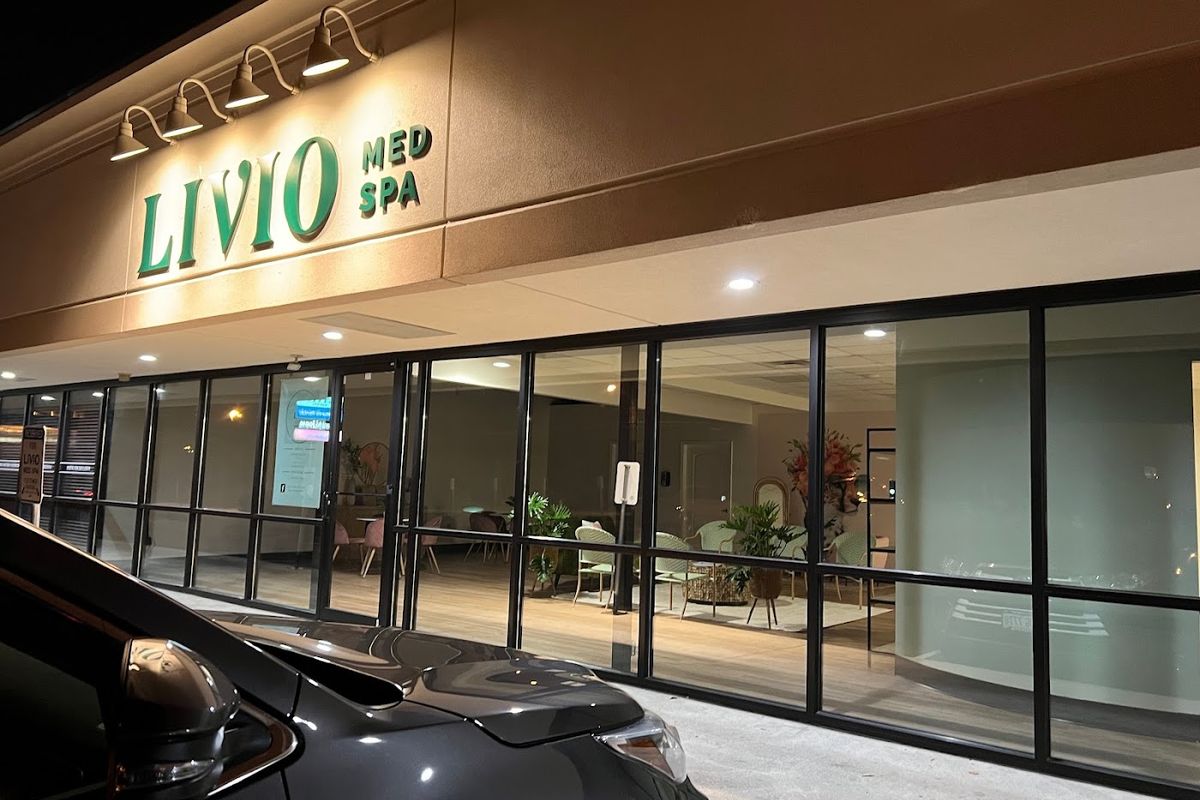
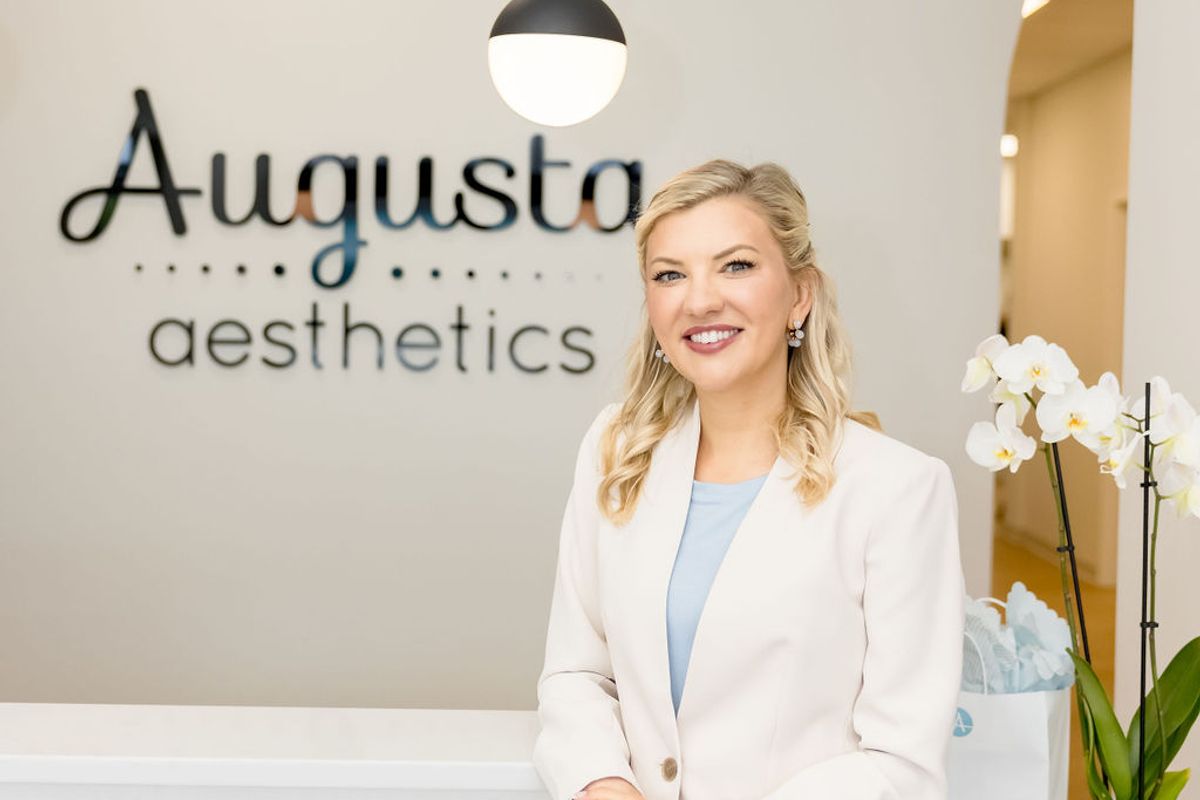

Botox clinics in Cincinnati
Ranked by Google rating, weighted by how many reviews back it. Tap any clinic to view details and request a consultation.
Local insights
Where to find Botox in Cincinnati
12 clinics offer Botox across the Cincinnati metro with providers in Cincinnati, Hamilton, Sharonville, Crescent Springs, Crestview Hills, Fort Thomas, Bellevue. Cincinnati's established aesthetic clusters around Hyde Park / Oakley, Montgomery / Kenwood, Mason / West Chester, where pricing typically runs at the upper end of the local range.
Botox generally runs $200–$600 per treatment area , and each Cincinnati clinic sets its own price. Compare the 12 listed clinics above, request consultations from your top two or three picks, and confirm exact pricing directly with each provider. 7 of the 12 say on their own websites that they offer financing or payment plans; ask about approval and interest before you book.
The Cincinnati market, honestly
Cincinnati Botox runs $10–13/unit with a loyalty-driven market structure — the best injectors here build decade-long books through referral, and Hyde Park's boutique tier reflects it. The Northern Kentucky arbitrage is genuine: Ft. Mitchell practices frequently run a dollar or two under Ohio-side quotes for identical work, ten minutes across the river.
About Botox
A non-surgical injectable treatment that temporarily relaxes specific facial muscles to smooth dynamic wrinkles like frown lines, forehead lines, and crow's feet.
Sessions
Every 3–4 months
Downtime
None. Return to normal activity right away
Good candidate
Adults with dynamic wrinkles (lines that appear when you frown, raise your brow, or smile) who want a subtle, refreshed look without surgery
- The most popular non-surgical cosmetic treatment in the world
- Smooths frown lines, forehead lines, and crow's feet in a 10–15 minute appointment
- Effects appear within days and last 3–4 months
- Used preventatively as well as correctively
- Multiple FDA-approved brands (Botox, Dysport, Xeomin, Jeuveau, Daxxify) with similar results
FAQ
Botox in Cincinnati: common questions
How much does Botox cost in Cincinnati?
Botox generally runs $200–$600 per treatment area, and each Cincinnati clinic sets its own price. The biggest variables are the provider's experience level and the specific device or product used. Newer technology and senior injectors price at the upper end. Pricing is quoted in US dollars (USD). Request a consultation from any of our listed Cincinnati clinics for a personalized quote.
How many Botox providers are in Cincinnati?
ClinicCompass lists 12 verified Cincinnati-area clinics offering Botox, concentrated in Cincinnati, Hamilton, Sharonville, Crescent Springs. Each listing includes real Google ratings so you can compare reputable options side by side before booking a consultation.
Who's the top-rated Botox provider in Cincinnati?
Among our 12 listed Cincinnati providers for Botox, Atalo Aesthetics has the strongest Google record once review volume is weighed: 5★ across 837 reviews (located in Cincinnati). "Best" is subjective. Compare 2–3 Cincinnati clinics before committing.
How should I prepare for Botox?
For 1 week before: avoid blood-thinning supplements (vitamin E, fish oil, gingko, garlic supplements) and over-the-counter NSAIDs (Advil, Motrin, aspirin) unless medically necessary. These increase bruising risk. Avoid alcohol for 24 hours prior. Arrive with clean, makeup-free skin if possible. Eat beforehand to avoid lightheadedness. Plan to avoid laying flat for 4 hours after Botox.
Can I drink alcohol before or after Botox?
Skip alcohol for 24 hours before and at least 24 hours after: alcohol thins the blood and increases bruising. For larger treatments or if you bruise easily, give it 48 hours afterward.
What does Botox do exactly?
Botox is a purified protein (botulinum toxin type A) that temporarily blocks the nerve signals telling specific muscles to contract. Injected in tiny doses into targeted facial muscles, it relaxes them just enough to smooth dynamic wrinkles: the lines that appear when you frown, raise your eyebrows, or smile. It doesn't add volume; it doesn't change your face shape. Within 2 weeks, the treated area looks smoother at rest. Effects last 3–4 months, then the muscle gradually regains movement.
What is the biggest risk of Botox?
The most common real risk is unintended muscle weakness near the injection site, typically a temporary drooping eyelid (ptosis) or asymmetric brow if the toxin migrates slightly from where it was injected. This is almost always tied to either improper injection technique or excessive rubbing/laying down too soon after treatment, and it resolves on its own in 4–8 weeks as the Botox wears off. Serious systemic side effects are extremely rare at cosmetic doses. Choosing an experienced injector is the single biggest factor in avoiding all of these.
What is the 4-hour rule after Botox?
The "4-hour rule" means don't lay flat, exercise vigorously, or massage the treated area for the first 4 hours after your Botox appointment. The concern is that lying down, intense head movement, or rubbing the area could allow the Botox to migrate from the intended muscle to nearby muscles, potentially causing a droopy eyelid or asymmetric result. Most providers also recommend avoiding heat (saunas, hot yoga) and alcohol for 24 hours. After 4 hours, you can resume normal activity. Some providers extend this to 6 hours for extra caution.
How much do 20 units of Botox usually cost?
At the US average of $10–$20 per unit, 20 units of Botox typically costs $200–$400. Twenty units is a common dose for treating the glabella (the "11s" frown lines between your brows) or for a light forehead treatment. A more complete full-face treatment usually uses 40–70 units, putting most appointments in the $400–$1,400 range. Pricing varies meaningfully by city and provider experience: premium markets and senior injectors charge at the upper end.
What age is best to start getting Botox?
There's no universal "right" age: it depends on when your dynamic wrinkles start bothering you, not what's on your driver's license. Most providers see people start in their late 20s or early 30s for "preventative Botox," which uses small doses to soften lines before they become etched. Starting later (40s, 50s, 60s) is equally valid; you'll just be treating existing wrinkles rather than preventing new ones. There's no medical benefit to starting young if your skin isn't showing dynamic lines yet. Wait until you actually want the result.
Is Botox worth it after 60?
Yes, for most patients. After 60, Botox can still meaningfully soften dynamic forehead and frown lines and crow's feet. It won't address loose skin, lost volume, or the deeper static wrinkles that have set in at rest. Those typically need fillers, skin tightening, or surgery in combination. Many older patients get the best results from a combination plan: smaller Botox doses to soften muscle activity, plus fillers or skin tightening for volume and laxity. Discuss realistic expectations with your provider during consultation.
Is Botox a neurotoxin? Is it safe?
Yes, Botox is technically a neurotoxin, derived from the bacterium Clostridium botulinum. But the cosmetic dose is incredibly small (a fraction of a microgram), purified, and used in localized injections. It has been FDA-approved for cosmetic use since 2002 and is one of the most studied injectables in medicine, with decades of safety data across millions of treatments. Safety depends heavily on injector skill: choose a board-certified physician, PA, NP, or RN with extensive injection experience for the lowest risk of complications.
What's the difference between Botox and fillers?
Different problems, different products. Botox relaxes muscles to soften wrinkles caused by movement (forehead lines, frown lines, crow's feet). Fillers add volume to areas that have lost it (cheeks, lips, smile lines, jawline). They're commonly used together (Botox for the upper face, fillers for the lower face) for a balanced refresh. Botox lasts 3–4 months; fillers last 9–18 months. Per treatment, fillers cost more upfront but last longer.
More in Cincinnati
Explore other treatments and clinics available locally.
All Cincinnati treatments & clinics Nearby cities
See Botox in all 433 cities → Botox near Cincinnati
Botox in Georgetown Kentucky → Botox in Springfield Ohio → Botox in Lexington Kentucky → Botox in Louisville Kentucky → Botox in Dublin Ohio → Botox in Indianapolis Indiana → Botox in Columbus Ohio → Botox in Carmel Indiana → Botox in Bloomington Indiana → Botox in Fort Wayne Indiana → Botox in Charleston West Virginia → Botox in Owensboro Kentucky →
Read up
Related guides
Comparison