A round face has at least five causes and most people searching for how to lose face fat are treating the wrong one. It can be overall body fat, which the face shares. It can be the masseter muscles at the back of the jaw, enlarged by clenching and grinding into a square lower face. It can be the buccal fat pad in the mid-cheek. It can be fat under the chin. Or it can be bone: wide cheekbones and a wide jaw that no treatment alters. Sort out which you have, and the answer follows.
Start with weight
If you are carrying extra weight on your body, your face is carrying it too, and losing it is the only thing that slims the face as a whole. No exercise, cream, tool or massage removes fat from one spot. A supervised weight loss program takes it off everywhere, and the face follows, usually early. Lose it slowly, around a pound or two a week, because fast loss thins the face faster than the skin can tighten and produces the hollow, older look people now call Ozempic face. If your weight is normal and your face is still full, read on.
A square jaw: muscle, not fat
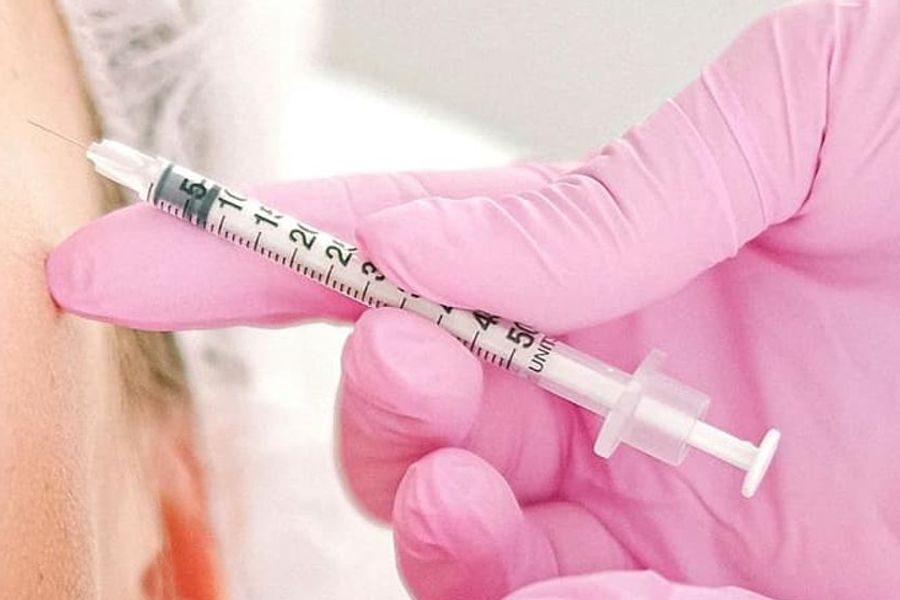
Clench your teeth and press the back corners of your jaw. A firm block that bulges under your fingers is the masseter, and if yours are large the width of your lower face is muscle. Masseter Botox relaxes it; the muscle thins by about a third over three months and the lower face narrows. The effect lasts three to four months at first, and about half of patients need a second round within four to seven months, after which results tend to hold longer. Side effects are mostly temporary: weaker chewing, occasionally a changed smile or a sunken look at the cheek. It does nothing for fat, so if the jaw is soft rather than firm, this is not your treatment.
Full mid-cheeks: the buccal fat pad
The buccal fat pad sits in the middle third of the cheek, under the cheekbone. Buccal fat removal takes it out through a small incision inside the mouth, permanently, leaving a hollow under the cheekbone. It is the procedure most likely to be regretted, and plastic surgeons say so themselves: for every five patients who ask, about one really needs it. Facial fat shrinks with age anyway, so a face hollowed in its twenties can look gaunt and older than it is twenty years on. It is for a genuinely full lower cheek on a face that will stay full, never for a thin or narrow face, and the long-term effect on aging has not been properly studied. The pad also sits next to the facial nerve and the parotid duct; in the published series about 8% of patients had a complication, mostly minor.
Fullness under the chin
A pocket of fat under the chin rounds the whole face from the front. Kybella dissolves it permanently over a few sessions; it is approved for the chin only, and its label says use anywhere else is not established and not recommended. Chin liposuction removes a defined pocket in one procedure with a sharper jawline, best on firm skin. If the skin under the chin is loose rather than full, neither is the answer and you are on our double chin and jowls pages.
When nothing on this page applies
Wide cheekbones and a broad jaw are bone, and a round face at a healthy weight with soft jaw muscles and a modest buccal pad is simply your face. A good consultation will say so. Puffiness that varies day to day is fluid, not fat. Puffiness that is new, persistent or one-sided belongs with a doctor first.
How to choose a provider
Ask the provider to name which of the five causes they see in your face, and why. Be wary of a clinic that offers buccal fat removal to a slim person in their twenties, or Kybella for the cheeks. For masseter Botox, ask how many units they plan and how they judge the dose. For buccal fat removal, a board-certified plastic or facial plastic surgeon who will show you patients ten years after surgery, not ten weeks.
Browse the clinics and surgeons below. Bring a photo of yourself at a lower weight if you have one; it shows a provider how much of the fullness is weight and how much is structure.