
Skip to content
ClinicCompass
Saddlebags: treatment options
Find by concern

What gets rid of saddlebags on the outer thighs?

The pockets of fat on the outer upper thighs, below the hips, are genetically stubborn and among the last places the body releases fat. They are also a defined pocket on a stable weight, which is exactly what fat freezing and liposuction handle well. Skin quality decides which.

Dr. Victoria Taraska Medically reviewed by Dr. Victoria Taraska, MD, FRCPC

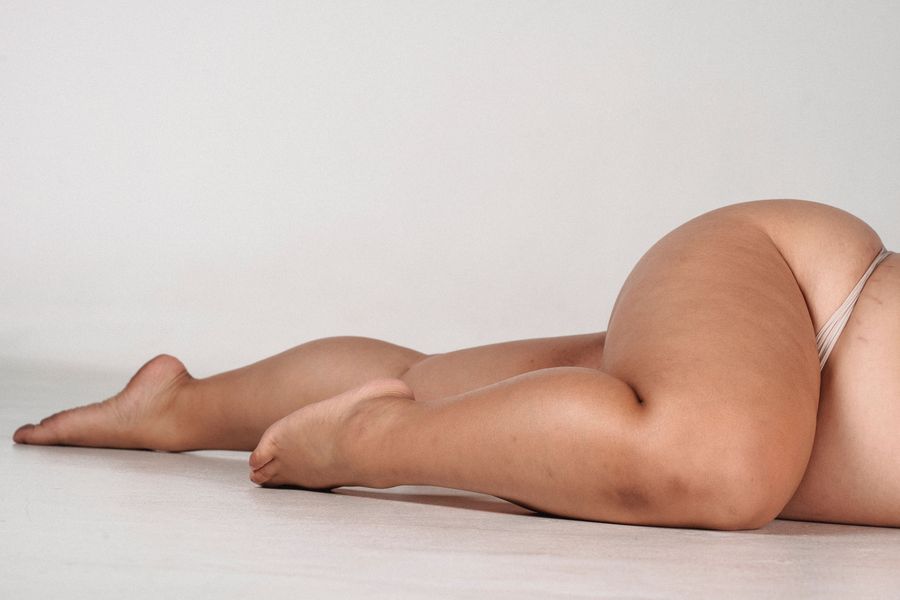
Saddlebags are the pockets of fat on the outer upper thighs, just below the hip, that give the silhouette a widened look from the front and back and survive every diet and squat program. They are largely genetic, more common in women, and among the last places the body releases fat, which is why they are so often the one thing left after everything else has changed.

That stubbornness is also why they respond so well to treatment. A defined fat pocket on a body near its goal weight is the profile that fat reduction was built for.

The stable-weight rule

Contouring shapes a body; it does not change its weight. If the saddlebags are part of carrying extra weight generally, medical weight loss comes first and treatment comes after, once the shape has settled. Clinics that skip that conversation and sell a device to someone far from their goal produce disappointed results.

Freezing the pocket

CoolSculpting’s outer thigh applicator draws the pocket in and cools it until the fat cells are destroyed, and the body clears them over two to three months. Each session removes roughly a fifth to a quarter of the fat in the treated area, so one or two sessions per side is typical. Downtime is soreness and numbness for a couple of weeks. The destroyed cells do not return, and the remaining ones behave with your weight.

Sculpting in one step

Liposuction removes more fat than a device series and lets a surgeon shape the transition from hip to thigh precisely, which matters on saddlebags because the goal is a smooth line rather than a flat spot. It suits larger pockets and anyone who would rather have one procedure and a compression garment for a few weeks than a series over months.

The skin over it

Outer thigh skin can be loose or dimpled, and removing fat under loose skin makes it hang. Radio-frequency tightening firms mild laxity and is the usual finishing step after fat reduction. Where the problem is dimpling rather than looseness, that is cellulite, a different structure with its own treatments, and the plan sequences fat reduction first and band release or tightening after. Significant excess skin on the thigh is surgical territory.

How to choose a provider

Ask the provider to pinch and assess the pocket, check the skin over it, and ask about your weight history before naming a device. Ask to see results on outer thighs like yours at three months, from the back. Ask how many sessions they expect and the total price for the result. And ask what they would do if the first session underdelivers, because the honest answer is sometimes a second session and sometimes a surgeon.

Browse the clinics below. Photograph yourself from behind in daylight; that is the angle saddlebags are judged from.

Your options

Treatments for saddlebags, compared

Best-first, with honest notes on when each is the right call.

Treatment Typical cost Downtime When it's the right call
CoolSculpting $600–$1,500 per treatment area None. Return to normal activity same day The outer thigh applicator freezes the pocket and the body clears it over two to three months. One or two sessions per side. The standard non-surgical answer for saddlebags on a stable weight.
Liposuction $3,500–$11,000 per treatment area 3 to 7 days off work, compression garment for 4 to 6 weeks, full results at 3 to 6 months Removes more fat in one procedure and lets a surgeon blend the outer thigh into the hip precisely. For larger saddlebags, or when you want the result in one step.
Emsculpt NEO $750–$1,200 per session None. Slight muscle soreness possible Reduces some fat and tones the glutes and outer thigh. A supporting treatment for shape, not the fix for a defined pocket.
Skin Tightening $1,500–$4,500 per treatment area or full face/neck None. Possible mild swelling or tenderness For loose or dimpled skin over the outer thigh, and as the finishing step after fat reduction so the skin contracts.
Medical Weight Loss (GLP-1) $250–$1,500 per month None. Mild nausea or fatigue possible in the first weeks of dose escalation If the saddlebags are part of carrying extra weight overall, weight loss comes first and contouring after.
FAQ

Saddlebags: common questions

Why do saddlebags not respond to exercise?

Because the body decides where it releases fat, and for most people the outer thighs are near the end of the list. Squats and lunges build the muscle underneath, which can improve shape, but they do not remove the fat sitting over it. That combination, a stubborn pocket on an otherwise fit body, is what makes saddlebags a device or surgical problem rather than a gym problem.

CoolSculpting or liposuction for saddlebags?

Fat freezing suits a moderate, well-defined pocket and removes it over two to three months with little downtime. Liposuction removes more fat at once, sculpts the transition into the hip, and suits larger saddlebags or anyone who wants one procedure rather than a series. Both permanently remove the treated fat cells; neither works well if the skin over the area is very loose, which is where tightening or a thigh lift enters the conversation.

Is cellulite on the outer thigh the same problem?

No, and treating fat where the problem is cellulite makes the dimples more visible. Saddlebags are a fat volume; cellulite is fibrous bands tethering the skin. Many outer thighs have both, and the plan reduces the fat first, then addresses the dimpling with band release or tightening. Our cellulite guide covers that side.

Sources

Where this information comes from

Clinical facts on this page are checked against these primary sources.

  1. 1.510(k) Premarket Notification Clearance, Indications for Use K172144: ZELTIQ CoolSculpting System, U.S. Food and Drug AdministrationCoolSculpting is FDA-cleared for cold-assisted lipolysis of the thigh (among other sites), to affect the appearance of visible fat bulges, backing the page's description of an outer thigh applicator for saddlebags.
  2. 2.Cryolipolysis, American Society of Plastic SurgeonsAverage fat reduction is about 20 percent per treated area and patients with loose or poorly toned skin may not be good candidates, backing the page's 'roughly a fifth to a quarter of the fat' per session figure and its caution against removing fat under loose skin.
  3. 3.Non-Invasive Body Contouring Technologies, U.S. Food and Drug AdministrationCryolipolysis draws pinchable fat into a cooled applicator with results clearing over about two to three months, backing the page's two-to-three month CoolSculpting timeline.
  4. 4.510(k) Premarket Notification Clearance, Indications for Use K240234: BTL-899MS, U.S. Food and Drug AdministrationThe related BTL-899MS device is FDA-cleared for strengthening, toning, and firming the buttocks and thighs, backing the page's description of Emsculpt NEO toning the glutes and outer thigh.
  5. 5.Liposuction Overview, American Society of Plastic SurgeonsLiposuction is not a treatment for obesity or a substitute for diet and exercise and works best on people of normal weight with firm, elastic skin, backing the page's stable-weight framing and its statement that very loose skin over the pocket is a limitation for both fat reduction and liposuction.
  6. 6.Cellulite: What It Is, Causes, Location and Treatment, Cleveland ClinicCellulite forms when fibrous bands connecting the skin to underlying tissue tighten irregularly and pull the skin down while fat pushes up from beneath, backing the page's FAQ description of cellulite as fibrous bands tethering the skin rather than a fat volume problem. Used because no FDA or professional-body source covers this specific mechanism.
Take the next step

Find CoolSculpting providers near you

Compare vetted clinics, real ratings, and local pricing in your city.

This page is for education, not medical advice or diagnosis. The right treatment depends on an in-person assessment by a qualified provider.