Injectables · Kitchener-Waterloo, Ontario
Botox in Kitchener-Waterloo
A non-surgical injectable treatment that temporarily relaxes specific facial muscles to smooth dynamic wrinkles like frown lines, forehead lines, and crow's feet. Compare Kitchener-Waterloo clinics below and request a free consultation.
Typical price range
CA$250–CA$800
per treatment area · CAD
A general range for Botox, converted to CAD and not specific to Kitchener-Waterloo. Each clinic sets its own price, so confirm it at your consultation.
Clinic directory 

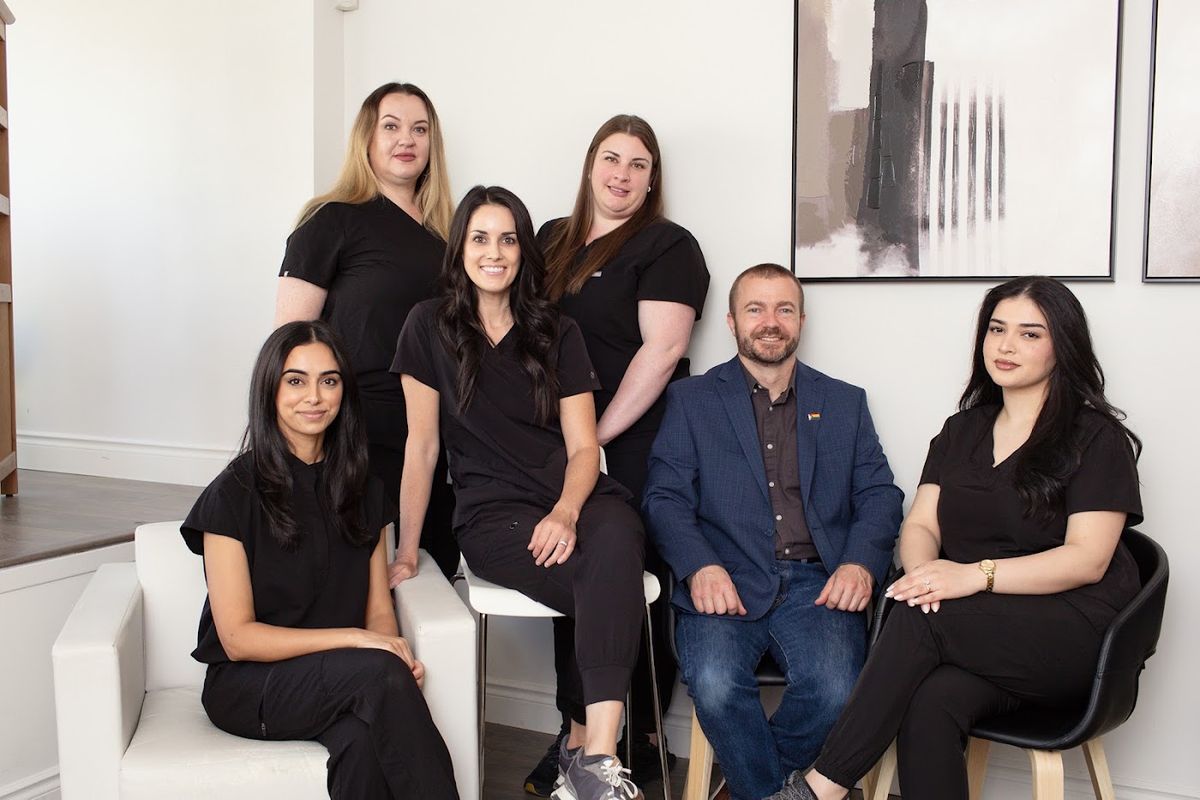
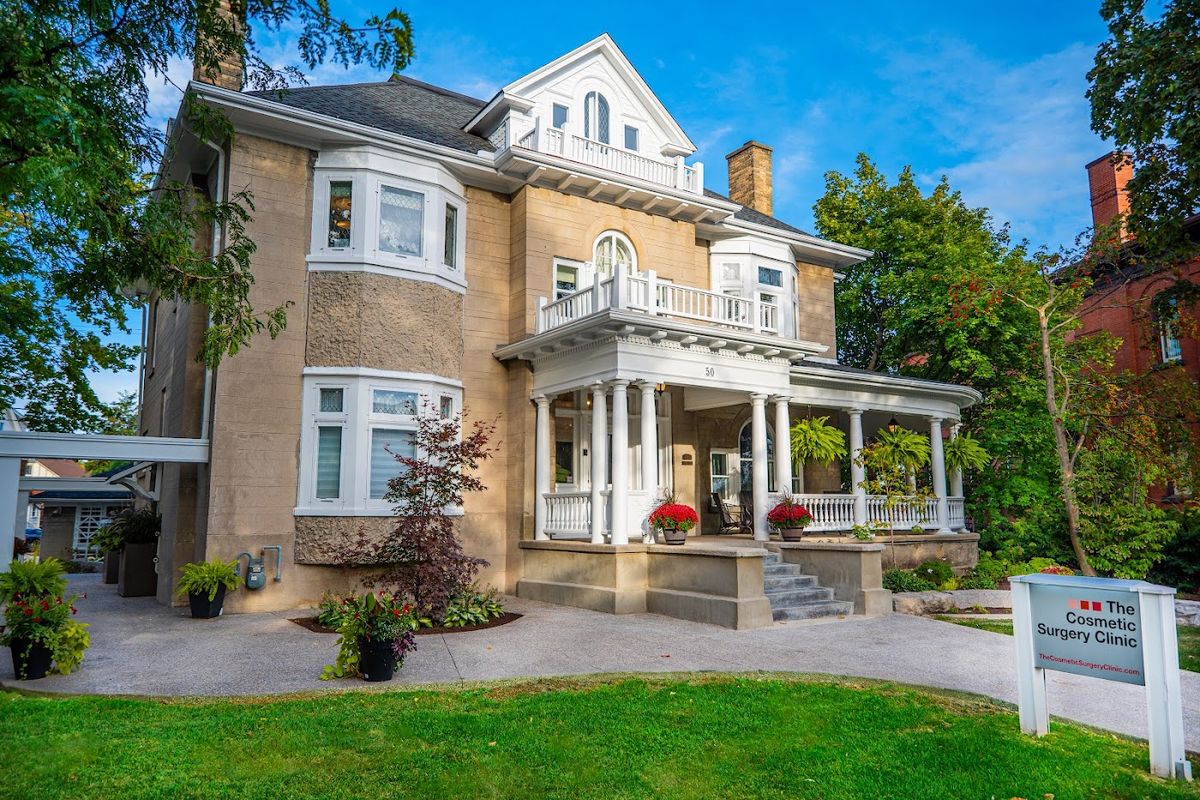
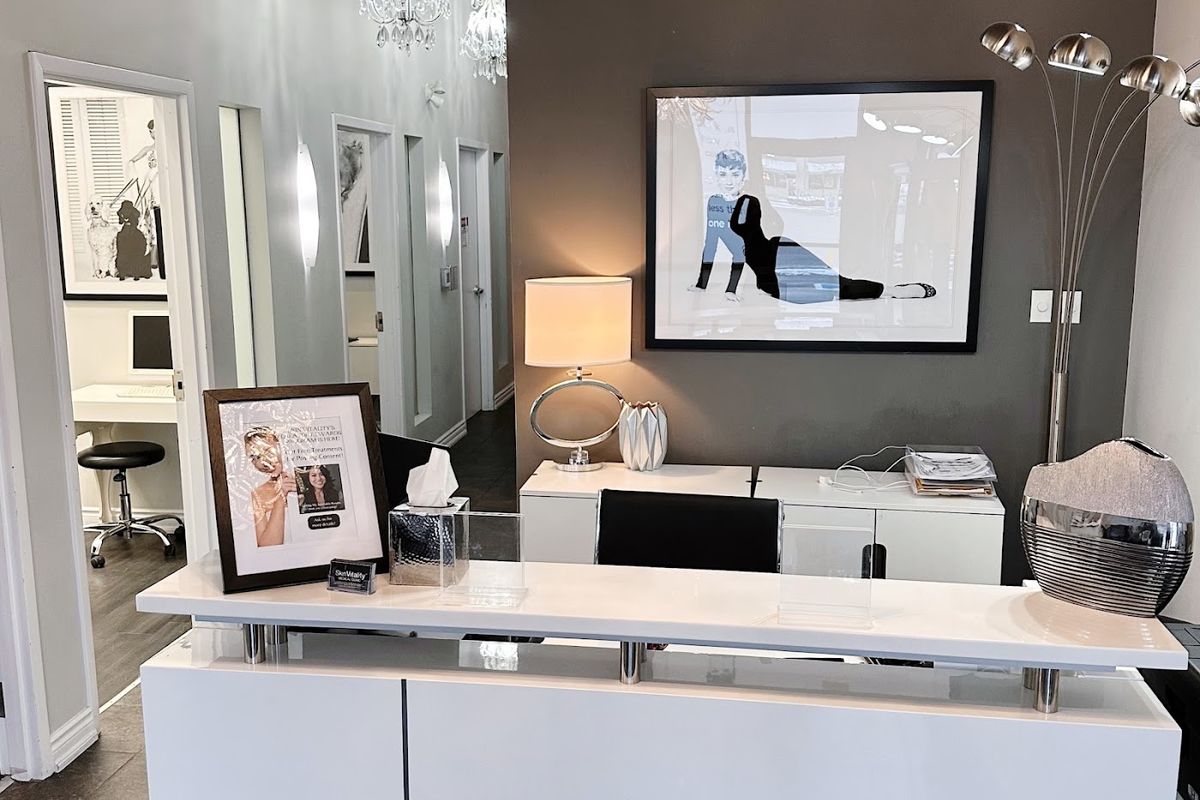
Botox clinics in Kitchener-Waterloo
Ranked by Google rating, weighted by how many reviews back it. Tap any clinic to view details and request a consultation.
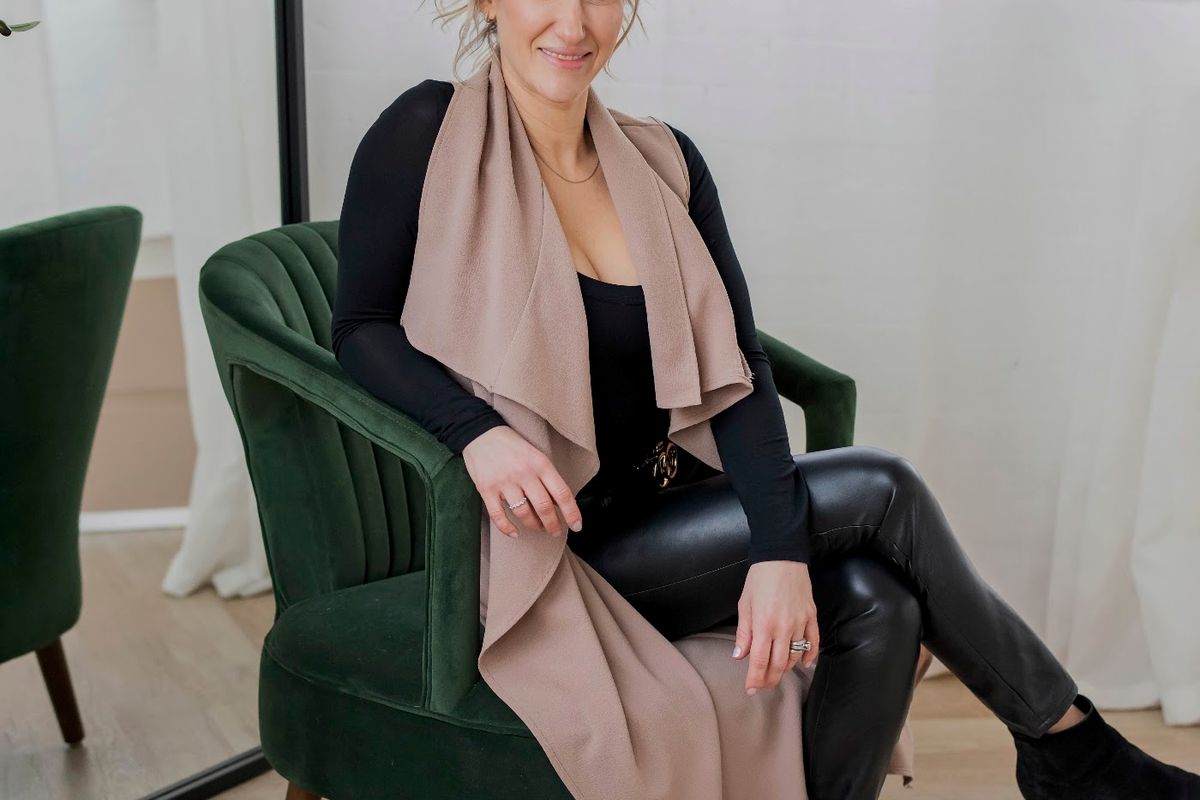
YourSkinRN Medical Aesthetics Clinic
Waterloo · about 5 km from Kitchener-Waterloo
Financing available
View clinic →
Oceania Esthetics Studio | Kitchener-Waterloo
Kitchener · about 7 km from Kitchener-Waterloo
Financing available
View clinic →
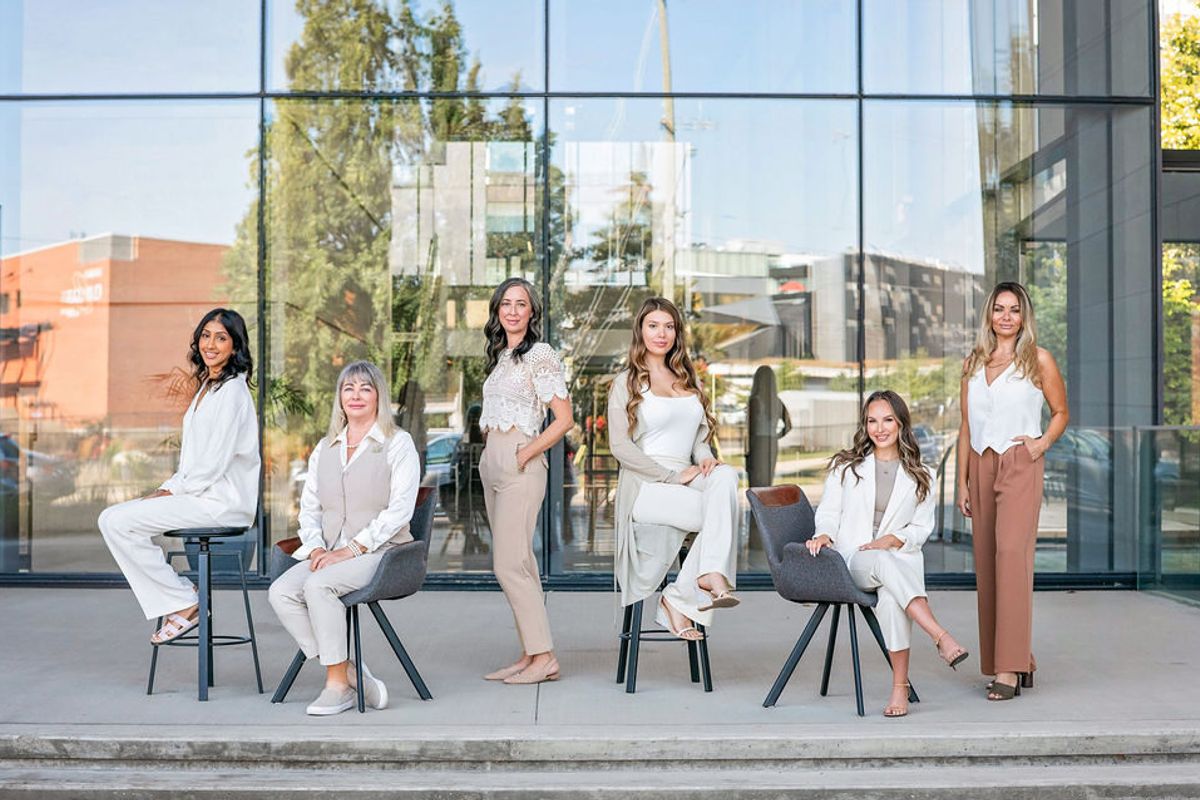
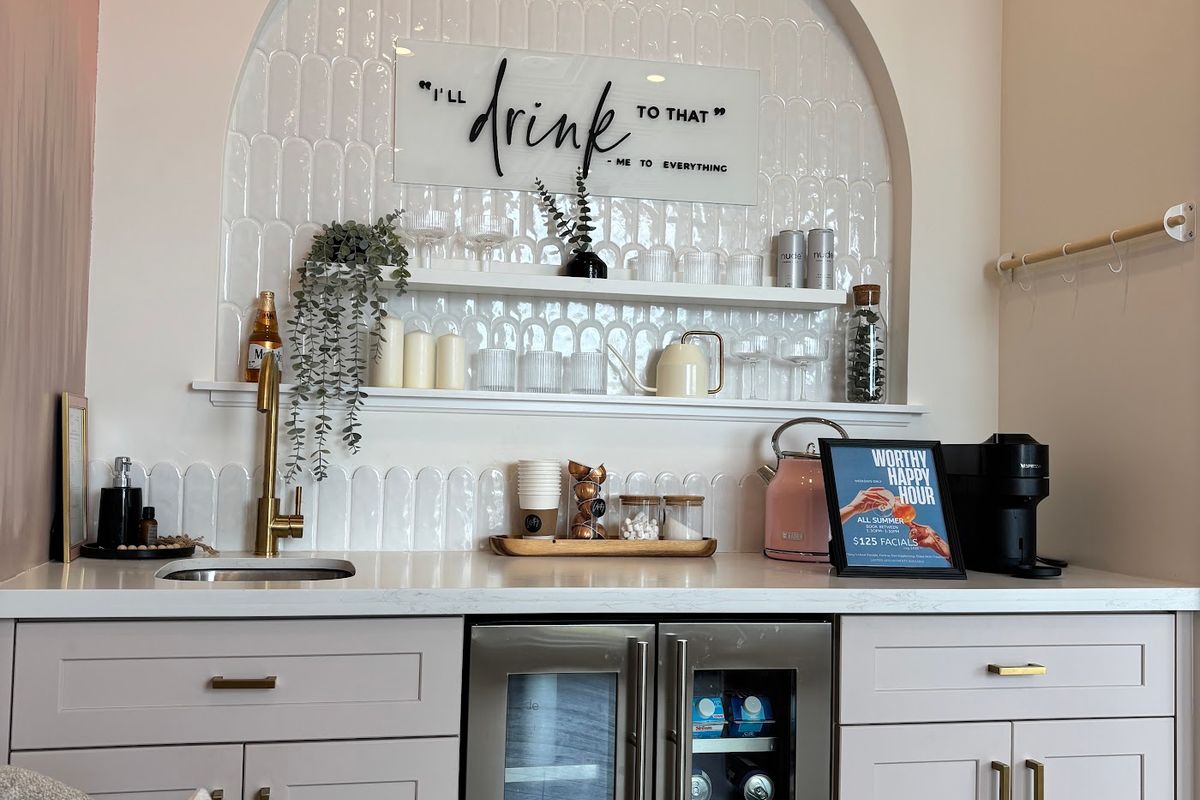
Worthy Skin & Beauty Bar
Waterloo · about 6 km from Kitchener-Waterloo
View clinic →
Skin Vitality Medical Clinic Kitchener
Kitchener · about 10 km from Kitchener-Waterloo
Financing available
View clinic →
Local insights
Where to find Botox in Kitchener-Waterloo
12 clinics offer Botox across the Kitchener-Waterloo metro with providers in Waterloo, Kitchener. Kitchener-Waterloo's established aesthetic clusters around Uptown Waterloo / King Street South, Erb Street, Belmont Village, where pricing typically runs at the upper end of the local range.
Botox generally runs CA$250–CA$800 per treatment area (Canadian dollars), and each Kitchener-Waterloo clinic sets its own price. Compare the 12 listed clinics above, request consultations from your top two or three picks, and confirm exact pricing directly with each provider. 5 of the 12 say on their own websites that they offer financing or payment plans; ask about approval and interest before you book.
The Kitchener-Waterloo market, honestly
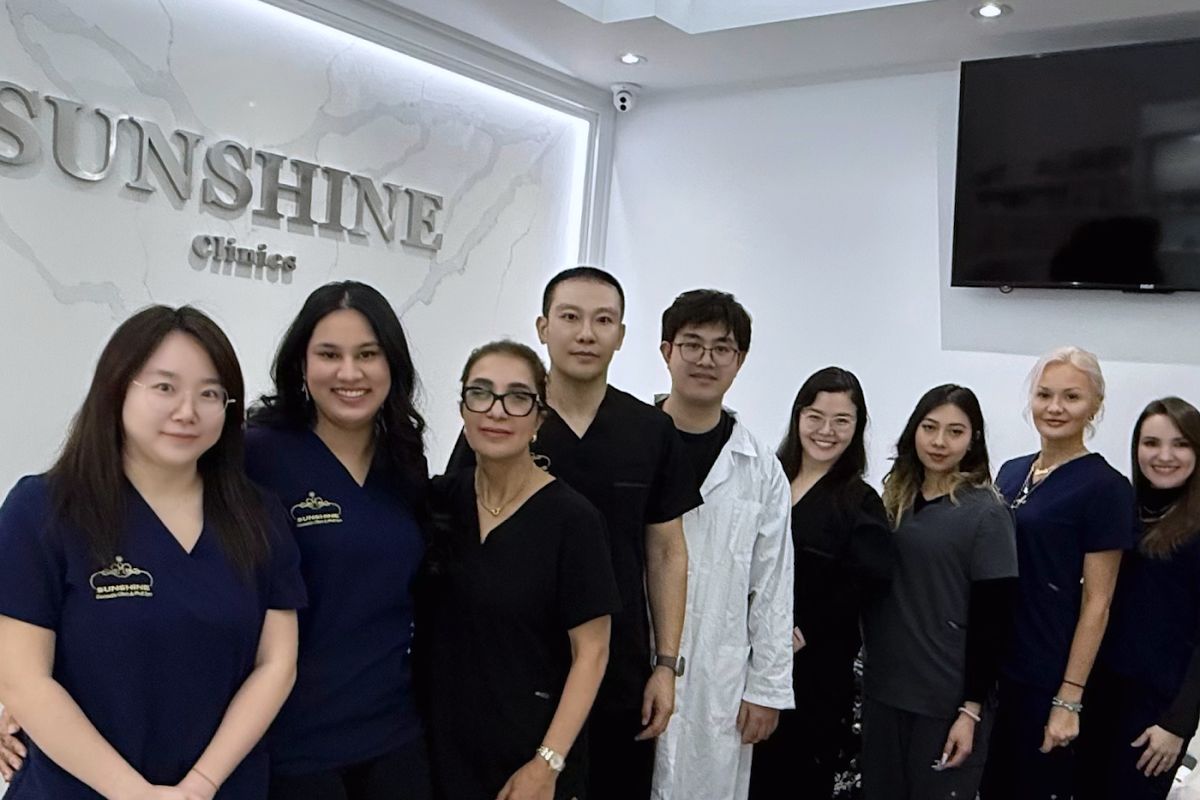
Botox in Kitchener-Waterloo quotes $10 to 13 CAD per unit, $2 under Yorkville. Dysport is on five of twelve tracked menus, including Skin Vitality on King Street East and Sunshine on Larch Street. Three clinics stand within a block on King Street South in Uptown, so a same-day second opinion is a short walk. September and the first week of January are the crush; April and December exam weeks are the easy bookings.
About Botox
A non-surgical injectable treatment that temporarily relaxes specific facial muscles to smooth dynamic wrinkles like frown lines, forehead lines, and crow's feet.
Sessions
Every 3–4 months
Downtime
None. Return to normal activity right away
Good candidate
Adults with dynamic wrinkles (lines that appear when you frown, raise your brow, or smile) who want a subtle, refreshed look without surgery
- The most popular non-surgical cosmetic treatment in the world
- Smooths frown lines, forehead lines, and crow's feet in a 10–15 minute appointment
- Effects appear within days and last 3–4 months
- Used preventatively as well as correctively
- Multiple FDA-approved brands (Botox, Dysport, Xeomin, Jeuveau, Daxxify) with similar results
FAQ
Botox in Kitchener-Waterloo: common questions
How much does Botox cost in Kitchener-Waterloo?
Botox generally runs CAD$272–CAD$816 per treatment area, and each Kitchener-Waterloo clinic sets its own price. The biggest variables are the provider's experience level and the specific device or product used. Newer technology and senior injectors price at the upper end. Pricing is quoted in Canadian dollars (CAD). Request a consultation from any of our listed Kitchener-Waterloo clinics for a personalized quote.
How many Botox providers are in Kitchener-Waterloo?
ClinicCompass lists 12 verified Kitchener-Waterloo-area clinics offering Botox, concentrated in Waterloo, Kitchener. Each listing includes real Google ratings so you can compare reputable options side by side before booking a consultation.
Who's the top-rated Botox provider in Kitchener-Waterloo?
Among our 12 listed Kitchener-Waterloo providers for Botox, Subtly You - Waterloo's Premier Medical Spa has the strongest Google record once review volume is weighed: 5★ across 922 reviews (located in Waterloo). "Best" is subjective. Compare 2–3 Kitchener-Waterloo clinics before committing.
How should I prepare for Botox?
For 1 week before: avoid blood-thinning supplements (vitamin E, fish oil, gingko, garlic supplements) and over-the-counter NSAIDs (Advil, Motrin, aspirin) unless medically necessary. These increase bruising risk. Avoid alcohol for 24 hours prior. Arrive with clean, makeup-free skin if possible. Eat beforehand to avoid lightheadedness. Plan to avoid laying flat for 4 hours after Botox.
Can I drink alcohol before or after Botox?
Skip alcohol for 24 hours before and at least 24 hours after: alcohol thins the blood and increases bruising. For larger treatments or if you bruise easily, give it 48 hours afterward.
What does Botox do exactly?
Botox is a purified protein (botulinum toxin type A) that temporarily blocks the nerve signals telling specific muscles to contract. Injected in tiny doses into targeted facial muscles, it relaxes them just enough to smooth dynamic wrinkles: the lines that appear when you frown, raise your eyebrows, or smile. It doesn't add volume; it doesn't change your face shape. Within 2 weeks, the treated area looks smoother at rest. Effects last 3–4 months, then the muscle gradually regains movement.
What is the biggest risk of Botox?
The most common real risk is unintended muscle weakness near the injection site, typically a temporary drooping eyelid (ptosis) or asymmetric brow if the toxin migrates slightly from where it was injected. This is almost always tied to either improper injection technique or excessive rubbing/laying down too soon after treatment, and it resolves on its own in 4–8 weeks as the Botox wears off. Serious systemic side effects are extremely rare at cosmetic doses. Choosing an experienced injector is the single biggest factor in avoiding all of these.
What is the 4-hour rule after Botox?
The "4-hour rule" means don't lay flat, exercise vigorously, or massage the treated area for the first 4 hours after your Botox appointment. The concern is that lying down, intense head movement, or rubbing the area could allow the Botox to migrate from the intended muscle to nearby muscles, potentially causing a droopy eyelid or asymmetric result. Most providers also recommend avoiding heat (saunas, hot yoga) and alcohol for 24 hours. After 4 hours, you can resume normal activity. Some providers extend this to 6 hours for extra caution.
How much do 20 units of Botox usually cost?
At the US average of $10–$20 per unit, 20 units of Botox typically costs $200–$400. Twenty units is a common dose for treating the glabella (the "11s" frown lines between your brows) or for a light forehead treatment. A more complete full-face treatment usually uses 40–70 units, putting most appointments in the $400–$1,400 range. Pricing varies meaningfully by city and provider experience: premium markets and senior injectors charge at the upper end.
What age is best to start getting Botox?
There's no universal "right" age: it depends on when your dynamic wrinkles start bothering you, not what's on your driver's license. Most providers see people start in their late 20s or early 30s for "preventative Botox," which uses small doses to soften lines before they become etched. Starting later (40s, 50s, 60s) is equally valid; you'll just be treating existing wrinkles rather than preventing new ones. There's no medical benefit to starting young if your skin isn't showing dynamic lines yet. Wait until you actually want the result.
Is Botox worth it after 60?
Yes, for most patients. After 60, Botox can still meaningfully soften dynamic forehead and frown lines and crow's feet. It won't address loose skin, lost volume, or the deeper static wrinkles that have set in at rest. Those typically need fillers, skin tightening, or surgery in combination. Many older patients get the best results from a combination plan: smaller Botox doses to soften muscle activity, plus fillers or skin tightening for volume and laxity. Discuss realistic expectations with your provider during consultation.
Is Botox a neurotoxin? Is it safe?
Yes, Botox is technically a neurotoxin, derived from the bacterium Clostridium botulinum. But the cosmetic dose is incredibly small (a fraction of a microgram), purified, and used in localized injections. It has been FDA-approved for cosmetic use since 2002 and is one of the most studied injectables in medicine, with decades of safety data across millions of treatments. Safety depends heavily on injector skill: choose a board-certified physician, PA, NP, or RN with extensive injection experience for the lowest risk of complications.
What's the difference between Botox and fillers?
Different problems, different products. Botox relaxes muscles to soften wrinkles caused by movement (forehead lines, frown lines, crow's feet). Fillers add volume to areas that have lost it (cheeks, lips, smile lines, jawline). They're commonly used together (Botox for the upper face, fillers for the lower face) for a balanced refresh. Botox lasts 3–4 months; fillers last 9–18 months. Per treatment, fillers cost more upfront but last longer.
More in Kitchener-Waterloo
Explore other treatments and clinics available locally.
All Kitchener-Waterloo treatments & clinics Compare nationwide
Botox in other cities
Botox in Guelph Ontario → Botox in Hamilton Ontario → Botox in Burlington Ontario → Botox in Brampton Ontario → Botox in Oakville Ontario → Botox in Mississauga Ontario → Botox in London Ontario → Botox in Vaughan Ontario → Botox in Toronto Ontario → Botox in Richmond Hill Ontario → Botox in Markham Ontario → Botox in St. Catharines Ontario → Botox in Barrie Ontario → Botox in Oshawa Ontario → Botox in Windsor Ontario → Botox in Kingston Ontario → Botox in Gatineau Quebec → Botox in Ottawa Ontario → Botox in Montreal Quebec → Botox in Quebec City Quebec → Botox in Moncton New Brunswick → Botox in Halifax Nova Scotia → Botox in Winnipeg Manitoba → Botox in Regina Saskatchewan → Botox in Saskatoon Saskatchewan → Botox in St. John's Newfoundland and Labrador → Botox in Red Deer Alberta → Botox in Calgary Alberta → Botox in Edmonton Alberta → Botox in Kelowna British Columbia → Botox in Abbotsford British Columbia → Botox in Langley British Columbia → Botox in Surrey British Columbia → Botox in Burnaby British Columbia → Botox in Vancouver British Columbia → Botox in Richmond British Columbia → Botox in Victoria British Columbia → Botox in Nanaimo British Columbia → Botox in Buffalo New York → Botox in Erie Pennsylvania → Botox in Rochester Michigan → Botox in Cleveland Ohio → Botox in Rochester New York → Botox in Detroit Michigan → Botox in Akron Ohio → Botox in Canton Ohio → Botox in Ann Arbor Michigan → Botox in Toledo Ohio → Botox in Lansing Michigan → Botox in Pittsburgh Pennsylvania → Botox in Syracuse New York → Botox in Grand Rapids Michigan → Botox in Traverse City Michigan → Botox in Columbus Ohio → Botox in Kalamazoo Michigan → Botox in Scranton Pennsylvania → Botox in Harrisburg Pennsylvania → Botox in Fort Wayne Indiana → Botox in Springfield Ohio → Botox in York Pennsylvania → Botox in South Bend Indiana → Botox in Lancaster Pennsylvania → Botox in Frederick Maryland → Botox in Allentown Pennsylvania → Botox in Albany New York → Botox in Rockville Maryland → Botox in Baltimore Maryland → Botox in Columbia Maryland → Botox in King of Prussia Pennsylvania → Botox in Morristown New Jersey → Botox in Arlington Virginia → Botox in Cincinnati Ohio → Botox in Washington District of Columbia → Botox in Wilmington Delaware → Botox in Philadelphia Pennsylvania → Botox in Princeton New Jersey → Botox in Annapolis Maryland → Botox in Burlington Vermont → Botox in Cherry Hill New Jersey → Botox in Carmel Indiana → Botox in Chicago Illinois → Botox in Milwaukee Wisconsin → Botox in Hoboken New Jersey → Botox in Green Bay Wisconsin → Botox in Jersey City New Jersey → Botox in Staten Island New York → Botox in White Plains New York → Botox in Manhattan New York → Botox in New York New York → Botox in Indianapolis Indiana → Botox in Brooklyn New York → Botox in Charlottesville Virginia → Botox in Fredericksburg Virginia → Botox in Queens New York → Botox in Stamford Connecticut → Botox in Oak Brook Illinois → Botox in Schaumburg Illinois → Botox in Appleton Wisconsin → Botox in Bridgeport Connecticut → Botox in Naperville Illinois → Botox in Long Island New York → Botox in West Hartford Connecticut → Botox in Springfield Massachusetts → Botox in New Haven Connecticut → Botox in Lynchburg Virginia → Botox in Bloomington Indiana → Botox in Roanoke Virginia → Botox in Lexington Kentucky → Botox in Richmond Virginia → Botox in Rockford Illinois → Botox in Louisville Kentucky → Botox in Madison Wisconsin → Botox in Manchester New Hampshire → Botox in Champaign Illinois → Botox in Providence Rhode Island → Botox in Newton Massachusetts → Botox in Bloomington Illinois → Botox in Boston Massachusetts → Botox in Portsmouth New Hampshire → Botox in Newport News Virginia → Botox in Peoria Illinois → Botox in Winston-Salem North Carolina → Botox in Greensboro North Carolina → Botox in Portland Maine → Botox in Virginia Beach Virginia → Botox in Owensboro Kentucky → Botox in Evansville Indiana → Botox in Davenport Iowa → Botox in Durham North Carolina → Botox in Cape Cod Massachusetts → Botox in Springfield Illinois → Botox in Raleigh North Carolina → Botox in Cary North Carolina → Botox in Eau Claire Wisconsin → Botox in Knoxville Tennessee → Botox in Asheville North Carolina → Botox in Concord North Carolina → Botox in Cedar Rapids Iowa → Botox in Charlotte North Carolina → Botox in Fayetteville North Carolina → Botox in Iowa City Iowa → Botox in Spartanburg South Carolina → Botox in Rochester Minnesota → Botox in Clarksville Tennessee → Botox in Greenville South Carolina → Botox in Nashville Tennessee → Botox in Duluth Minnesota → Botox in Murfreesboro Tennessee → Botox in St. Louis Missouri → Botox in Franklin Tennessee → Botox in Chattanooga Tennessee → Botox in Minneapolis Minnesota → Botox in Edina Minnesota → Botox in Columbia South Carolina → Botox in Wilmington North Carolina → Botox in Gainesville Georgia → Botox in Athens Georgia → Botox in Myrtle Beach South Carolina → Botox in Alpharetta Georgia → Botox in Johns Creek Georgia → Botox in Roswell Georgia → Botox in Des Moines Iowa → Botox in Columbia Missouri → Botox in Huntsville Alabama → Botox in Marietta Georgia → Botox in Worcester Massachusetts → Botox in Sandy Springs Georgia → Botox in Augusta Georgia → Botox in Buckhead Georgia → Botox in Atlanta Georgia → Botox in Jackson Tennessee → Botox in Charleston South Carolina → Botox in Memphis Tennessee → Botox in Birmingham Alabama → Botox in Hilton Head Island South Carolina → Botox in Lee's Summit Missouri → Botox in Kansas City Missouri → Botox in Savannah Georgia → Botox in Columbus Georgia → Botox in Auburn Alabama → Botox in Springfield Missouri → Botox in Olathe Kansas → Botox in Tuscaloosa Alabama → Botox in Sioux City Iowa → Botox in Omaha Nebraska → Botox in Lawrence Kansas → Botox in Montgomery Alabama → Botox in Fargo North Dakota → Botox in Lincoln Nebraska → Botox in Topeka Kansas → Botox in Sioux Falls South Dakota → Botox in Little Rock Arkansas → Botox in Bentonville Arkansas → Botox in Fayetteville Arkansas → Botox in Jacksonville Florida → Botox in Tallahassee Florida → Botox in Jackson Mississippi → Botox in Gainesville Florida → Botox in Destin Florida → Botox in Broken Arrow Oklahoma → Botox in Tulsa Oklahoma → Botox in Wichita Kansas → Botox in Pensacola Florida → Botox in Mobile Alabama → Botox in Daytona Beach Florida → Botox in Ocala Florida → Botox in Winter Park Florida → Botox in Orlando Florida → Botox in Kissimmee Florida → Botox in Shreveport Louisiana → Botox in Edmond Oklahoma → Botox in Oklahoma City Oklahoma → Botox in Melbourne Florida → Botox in Norman Oklahoma → Botox in New Orleans Louisiana → Botox in Lakeland Florida → Botox in Baton Rouge Louisiana → Botox in Tampa Florida → Botox in Vero Beach Florida → Botox in Bradenton Florida → Botox in Tyler Texas → Botox in Lafayette Louisiana → Botox in Port St. Lucie Florida → Botox in Sarasota Florida → Botox in McKinney Texas → Botox in Rapid City South Dakota → Botox in Frisco Texas → Botox in Plano Texas → Botox in Venice Florida → Botox in Denton Texas → Botox in Dallas Texas → Botox in Lake Charles Louisiana → Botox in West Palm Beach Florida → Botox in Southlake Texas → Botox in Arlington Texas → Botox in Fort Myers Florida → Botox in Wichita Falls Texas → Botox in Fort Worth Texas → Botox in Delray Beach Florida → Botox in Boca Raton Florida → Botox in Bonita Springs Florida → Botox in Beaumont Texas → Botox in Naples Florida → Botox in Fort Lauderdale Florida → Botox in Aventura Florida → Botox in Miami Beach Florida → Botox in Miami Florida → Botox in Coral Gables Florida → Botox in Waco Texas → Botox in The Woodlands Texas → Botox in Houston Texas → Botox in Cheyenne Wyoming → Botox in Pearland Texas → Botox in Greeley Colorado → Botox in Katy Texas → Botox in Sugar Land Texas → Botox in Killeen Texas → Botox in Fort Collins Colorado → Botox in Amarillo Texas → Botox in Denver Colorado → Botox in Cherry Creek Colorado → Botox in Castle Rock Colorado → Botox in Boulder Colorado → Botox in Abilene Texas → Botox in Colorado Springs Colorado → Botox in Round Rock Texas → Botox in Key West Florida → Botox in Pueblo Colorado → Botox in Austin Texas → Botox in Lubbock Texas → Botox in San Antonio Texas → Botox in Midland Texas → Botox in Odessa Texas → Botox in Corpus Christi Texas → Botox in Santa Fe New Mexico → Botox in Grand Junction Colorado → Botox in Bozeman Montana → Botox in Albuquerque New Mexico → Botox in Laredo Texas → Botox in McAllen Texas → Botox in Idaho Falls Idaho → Botox in Ogden Utah → Botox in Provo Utah → Botox in Salt Lake City Utah → Botox in Lehi Utah → Botox in Las Cruces New Mexico → Botox in El Paso Texas → Botox in Missoula Montana → Botox in Flagstaff Arizona → Botox in Coeur d'Alene Idaho → Botox in Boise Idaho → Botox in St. George Utah → Botox in Spokane Washington → Botox in Prescott Arizona → Botox in Mesa Arizona → Botox in Scottsdale Arizona → Botox in Tucson Arizona → Botox in Gilbert Arizona → Botox in Phoenix Arizona → Botox in Chandler Arizona → Botox in Henderson Nevada → Botox in Las Vegas Nevada → Botox in Summerlin Nevada → Botox in Yakima Washington → Botox in Yuma Arizona → Botox in Kirkland Washington → Botox in Bellevue Washington → Botox in Bend Oregon → Botox in Bellingham Washington → Botox in Seattle Washington → Botox in Tacoma Washington → Botox in Palm Desert California → Botox in Reno Nevada → Botox in Palm Springs California → Botox in Carson City Nevada → Botox in Olympia Washington → Botox in Vancouver Washington → Botox in Portland Oregon → Botox in Redlands California → Botox in Riverside California → Botox in Temecula California → Botox in Salem Oregon → Botox in Visalia California → Botox in Carlsbad California → Botox in Encinitas California → Botox in Eugene Oregon → Botox in Fresno California → Botox in San Diego California → Botox in Irvine California → Botox in La Jolla California → Botox in Pasadena California → Botox in Newport Beach California → Botox in Glendale California → Botox in Bakersfield California → Botox in Burbank California → Botox in Huntington Beach California → Botox in Long Beach California → Botox in West Hollywood California → Botox in Los Angeles California → Botox in Folsom California → Botox in Beverly Hills California → Botox in Medford Oregon → Botox in Roseville California → Botox in Santa Monica California → Botox in Torrance California → Botox in Manhattan Beach California → Botox in Redding California → Botox in Sacramento California → Botox in Modesto California → Botox in Stockton California → Botox in Ventura California → Botox in Oxnard California → Botox in Santa Barbara California → Botox in Pleasanton California → Botox in Walnut Creek California → Botox in Napa California → Botox in San Luis Obispo California → Botox in San Jose California → Botox in Oakland California → Botox in Santa Rosa California → Botox in Palo Alto California → Botox in San Francisco California → Botox in Santa Cruz California → Botox in San Mateo California → Botox in Monterey California → Botox in Anchorage Alaska → Botox in Maui Hawaii → Botox in Honolulu Hawaii →
Read up
Related guides
Comparison