Hair Restoration · Lubbock, Texas
Hair Restoration in Lubbock
Non-surgical hair loss treatments combining PRP injections, prescription medications, microneedling, and red light therapy to slow hair loss and stimulate measurable regrowth in early-to-moderate pattern hair loss. Compare Lubbock clinics below and request a free consultation.
Typical price range
$400–$1,500
per session · USD
A general range for Hair Restoration, not specific to Lubbock. Each clinic sets its own price, so confirm it at your consultation.
Clinic directory 
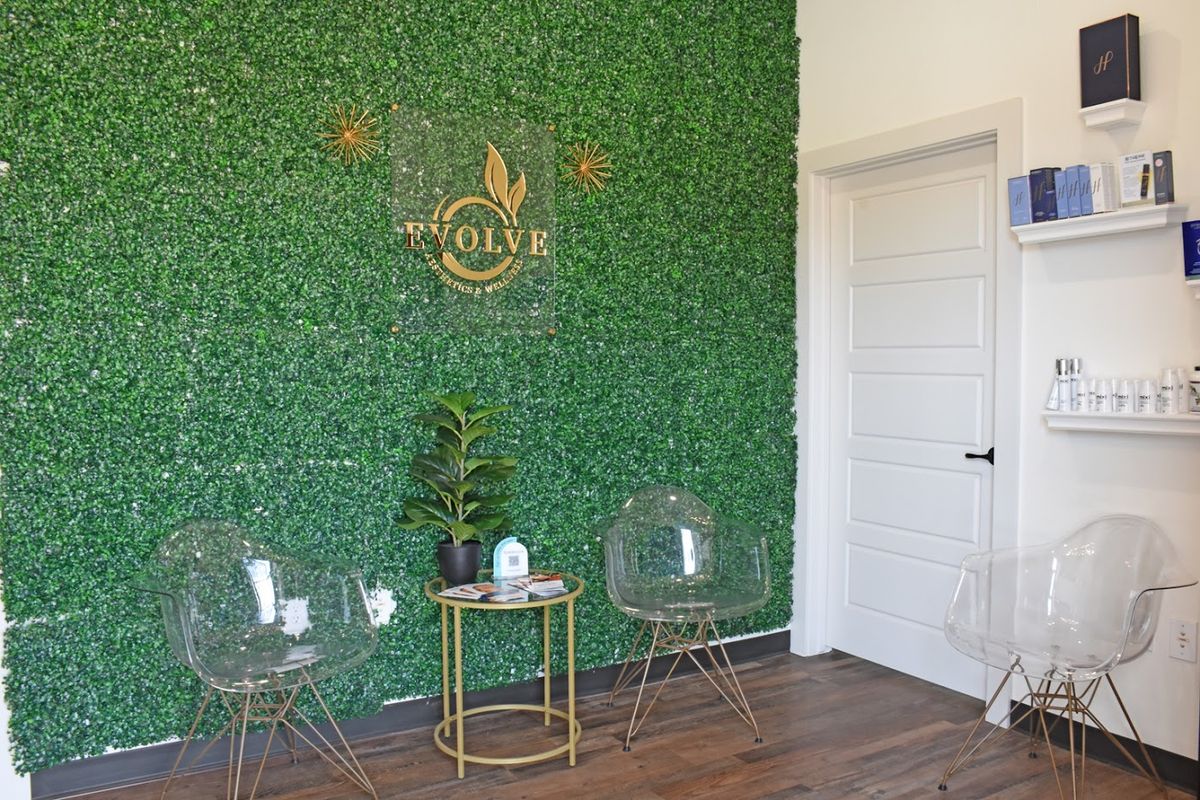

Hair Restoration clinics in Lubbock
Ranked by Google rating, weighted by how many reviews back it. Tap any clinic to view details and request a consultation.
Financing available
View clinic →
Local insights
Where to find Hair Restoration in Lubbock
6 clinics offer Hair Restoration across the Lubbock metro with providers in Lubbock. Lubbock's established aesthetic clusters around Tech Terrace, Overton, Depot District, where pricing typically runs at the upper end of the local range.
Hair Restoration generally runs $400–$1,500 per session , and each Lubbock clinic sets its own price. Compare the 6 listed clinics above, request consultations from your top two or three picks, and confirm exact pricing directly with each provider. 3 of the 6 say on their own websites that they offer financing or payment plans; ask about approval and interest before you book.
About Hair Restoration
Non-surgical hair loss treatments combining PRP injections, prescription medications, microneedling, and red light therapy to slow hair loss and stimulate measurable regrowth in early-to-moderate pattern hair loss.
Sessions
3–4 sessions over 3–6 months, then quarterly maintenance
Downtime
None. Mild scalp tenderness for 24 hours
Good candidate
Early-to-moderate male or female pattern hair loss, post-partum shedding, telogen effluvium, or thinning at the temples and crown, with active hair follicles still present
- Non-surgical alternative to hair transplant for early hair loss
- Uses your own blood (PRP), no synthetic drugs in the scalp
- Often combined with prescription topicals + oral medications for compound results
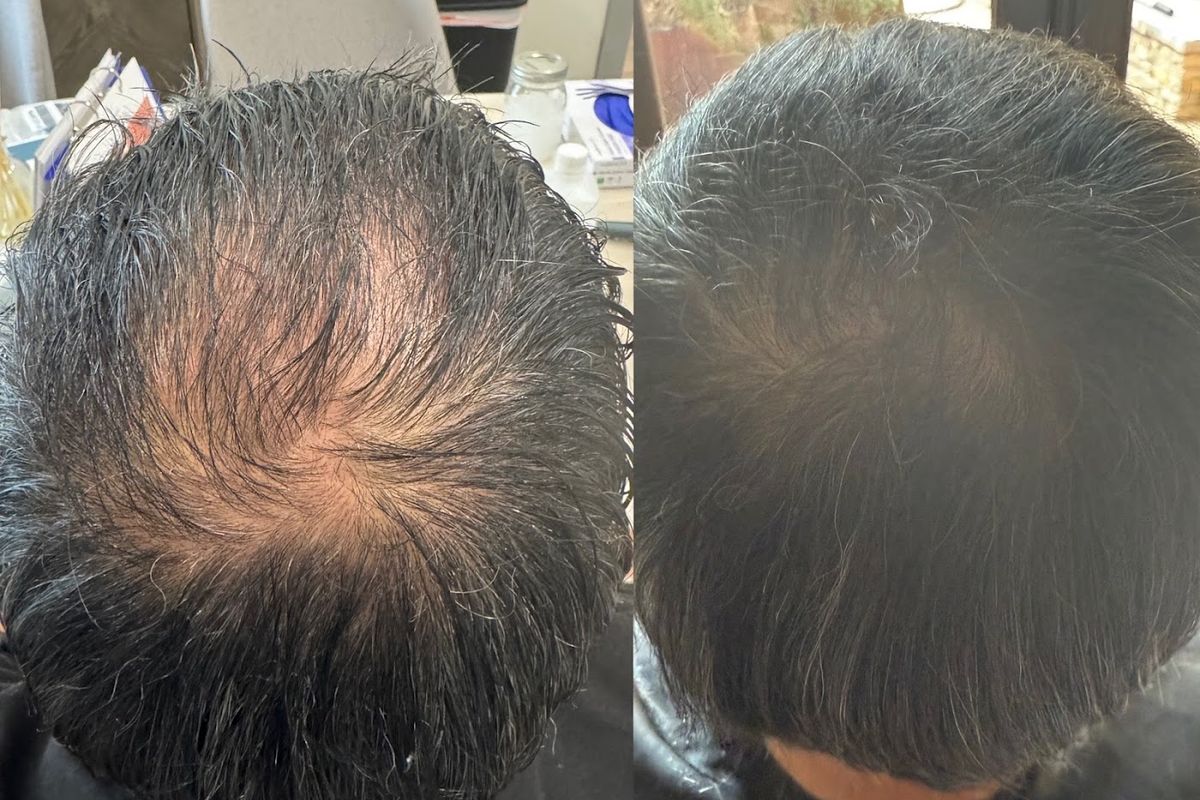
- Visible improvement at 3–6 months for most responders
FAQ
Hair Restoration in Lubbock: common questions
How much does Hair Restoration cost in Lubbock?
Hair Restoration generally runs $400–$1,500 per session, and each Lubbock clinic sets its own price. The biggest variables are the provider's experience level and the specific device or product used. Newer technology and senior injectors price at the upper end. Pricing is quoted in US dollars (USD). Request a consultation from any of our listed Lubbock clinics for a personalized quote.
How many Hair Restoration providers are in Lubbock?
ClinicCompass lists 6 verified Lubbock-area clinics offering Hair Restoration, concentrated in Lubbock. Each listing includes real Google ratings so you can compare reputable options side by side before booking a consultation.
Who's the top-rated Hair Restoration provider in Lubbock?
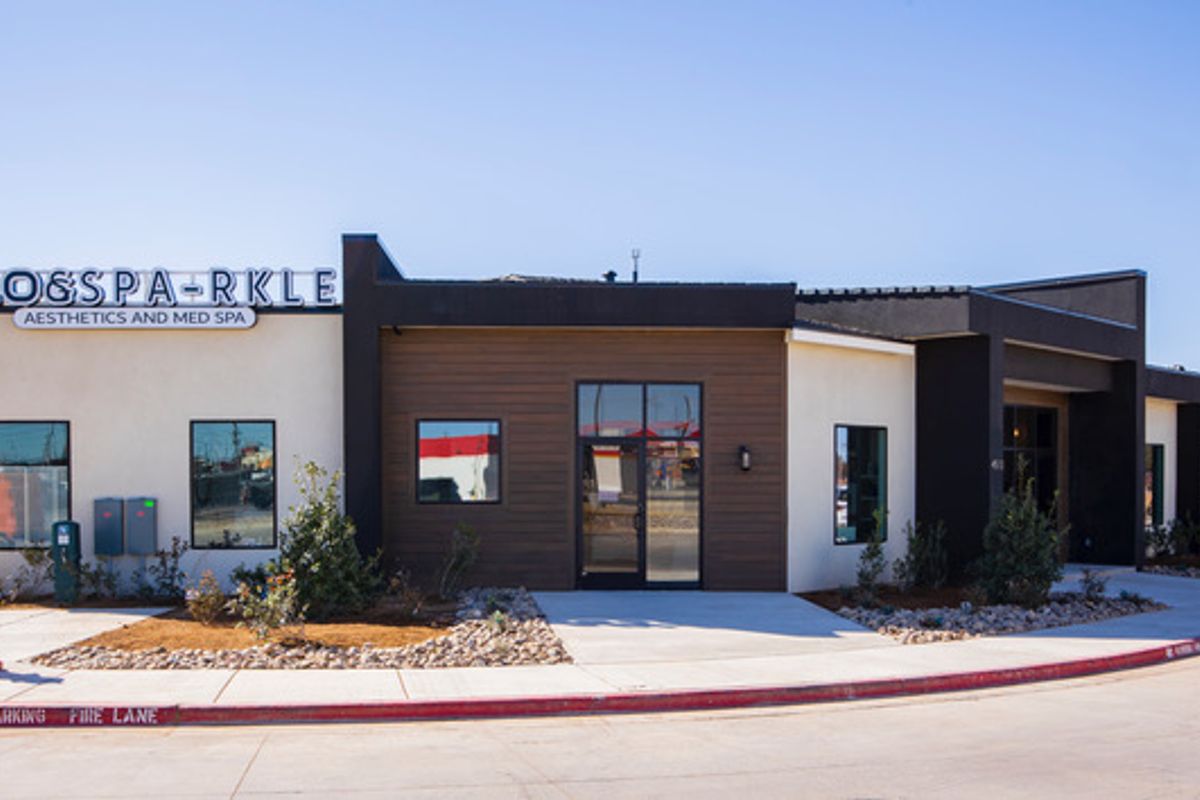
Among our 6 listed Lubbock providers for Hair Restoration, GLO & SPA-RKLE Aesthetics & MedSpa has the strongest Google record once review volume is weighed: 5★ across 828 reviews (located in Lubbock). "Best" is subjective. Compare 2–3 Lubbock clinics before committing.
When should I see a dermatologist instead of a med spa for hair loss?
See a dermatologist first if your hair loss is sudden, patchy (alopecia areata), accompanied by scalp inflammation or itching, or doesn't match typical pattern hair loss. They can diagnose the underlying cause. Sometimes hair loss signals thyroid issues, iron deficiency, or autoimmune conditions. Lubbock med spas work well for confirmed pattern hair loss and ongoing PRP + medication management. Many med spas with physician oversight can do both. Ask about diagnostic capabilities during your consultation.
Are exosomes or AlmaTED better than PRP for hair loss?
Exosomes (extracted from stem cells, not your blood) are the newer premium option. Early data suggests stronger effects than PRP, but research is still developing. Significantly more expensive: $1,500–$3,500/session vs. PRP at $500–$1,200. AlmaTED is a device-based ultrasound + topical serum treatment: no injections, no downtime, but earlier-stage evidence than PRP. Bottom line: PRP has the most robust research support. Exosomes show promise but cost 2–3x more. AlmaTED is gentlest but least proven. Many Lubbock med spas offer all three.
Does PRP for hair loss actually work?
Yes, for the right candidate. Clinical evidence is strongest for early-to-moderate pattern hair loss where hair follicles are miniaturized but still alive. In studies, a majority of patients who complete the full series see improvement in hair density and thickness. Best results are typically combined with prescription medications (minoxidil, finasteride). PRP cannot revive dead follicles. If you're already significantly bald in an area, PRP alone won't bring it back. Hair transplant is the option there.
How much does PRP hair restoration cost?
Typical US pricing: **$500–$1,200 per session** at med spas. **$1,000–$1,500 per session** at premium dermatology practices. A standard initial series is **3–4 sessions** spaced 4–6 weeks apart, totaling **$1,500–$5,000**. Most patients then do quarterly maintenance sessions (~$500–$1,200/session) to sustain results. Many clinics offer package pricing that saves 15–25% on the full series. Compounded medication add-ons (minoxidil + finasteride formulations) are typically $50–$120/month additional.
How many PRP sessions do I need to see results?
Standard protocol: **3–4 initial sessions spaced 4–6 weeks apart**, then quarterly maintenance. Realistic timeline for results: most patients notice reduced shedding after 1–2 sessions; visible new growth and increased density at 3–6 months; full results from the initial series at 6 months. Without continued maintenance, the benefit typically declines over 12 months. Stopping treatment doesn't "undo" results: hair loss just continues at its natural pace from wherever you've improved to.
What's the difference between PRP, minoxidil, finasteride, and a hair transplant?
**PRP**: in-office injections that stimulate follicles. Effective for early-to-moderate loss. **Minoxidil (Rogaine)**: topical or oral medication that prolongs the growth phase. Cheapest first-line option. Works while you use it. **Finasteride (Propecia)**: oral DHT-blocker. Slows or stops male pattern hair loss. Most effective single treatment for male pattern loss. Has side effect concerns in some men. **Hair transplant**: surgical relocation of follicles from donor areas. The only option that physically adds hair where it's gone. Permanent but expensive ($8,000–$25,000+). Best results often combine PRP + minoxidil + finasteride for early loss; transplant for advanced loss.
Are exosomes or AlmaTED better than PRP for hair loss?
**Exosomes** (extracted from stem cells, not your own blood) are the newer hot category: early data suggests stronger effects than PRP, but research is still developing. Significantly more expensive: $1,500–$3,500 per session. **AlmaTED** is a device-based ultrasound + topical serum treatment popular at med spas (no injections, no downtime). Clinical evidence is emerging but earlier-stage than PRP. Bottom line: PRP has the most robust research support. Exosomes show promise but cost 2–3x more. AlmaTED is gentler but less proven. Many med spas now offer all three and let you choose based on budget and goals.
How long do hair restoration results last?
With continued quarterly maintenance: results sustain indefinitely. Without maintenance: benefits typically decline over 9–18 months as hair loss continues at its natural pace. PRP doesn't cure male/female pattern hair loss (it's genetic). It shifts the timeline. Combining PRP with prescription medications (finasteride, minoxidil) produces the longest-lasting results because you're addressing both the follicle stimulation (PRP) and the hormonal driver of loss (finasteride).
Are there side effects from PRP hair restoration?
Common, mild: scalp tenderness for 24–48 hours, mild swelling, headache (from the multiple injections), bruising at injection sites. Less common: temporary increased shedding for 2–4 weeks before regrowth (worrying but normal; it's the "shed phase" before the new growth cycle). Rare: infection, allergic reaction (uncommon because PRP is your own blood). Finasteride add-ons carry their own side effect profile (sexual side effects in a subset of men). Discuss with your provider.
When should I see a dermatologist vs. a med spa for hair loss?
**See a dermatologist first** if: your hair loss is sudden, patchy (alopecia areata), accompanied by scalp inflammation/itching, or doesn't match typical male/female pattern hair loss. They can diagnose the underlying cause. **Med spas work well for**: confirmed pattern hair loss, established treatment plans (PRP + topicals), and ongoing maintenance. Many med spas with physician oversight can do both diagnosis and treatment. Bring photos of your hair from 1, 3, and 5 years ago to any first appointment to help track the progression.
More in Lubbock
Explore other treatments and clinics available locally.
All Lubbock treatments & clinics Other cities
See Hair Restoration in all 456 cities → Hair Restoration in other cities
Hair Restoration in Midland Texas → Hair Restoration in Odessa Texas → Hair Restoration in Amarillo Texas → Hair Restoration in Abilene Texas → Hair Restoration in Wichita Falls Texas → Hair Restoration in Fort Worth Texas → Hair Restoration in Santa Fe New Mexico → Hair Restoration in Denton Texas → Hair Restoration in Southlake Texas → Hair Restoration in Norman Oklahoma → Hair Restoration in Flower Mound Texas → Hair Restoration in Arlington Texas →