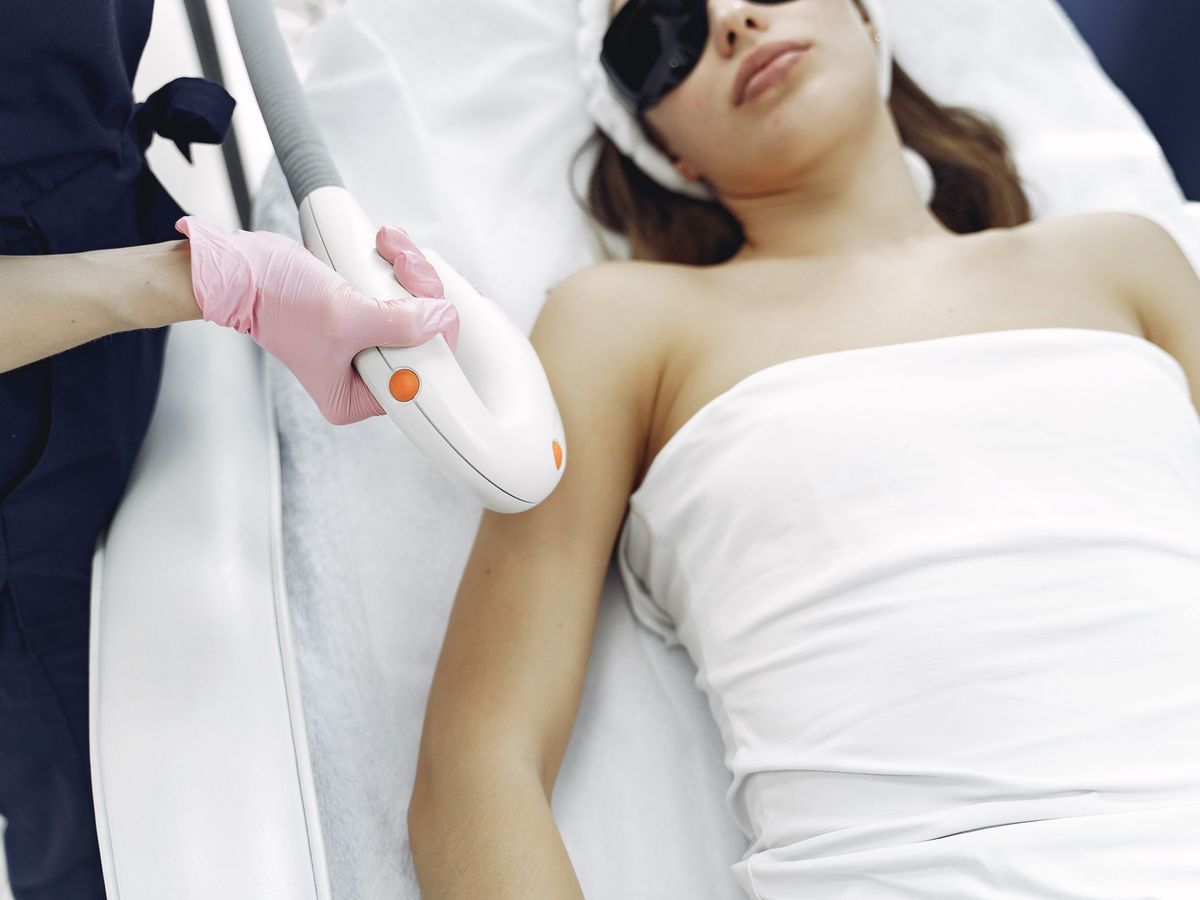
The only hair removal method approved as permanent. A fine probe delivers a current into each follicle to destroy it, one hair at a time, which makes it slow, but it works on every hair color and skin tone, including the blonde, grey, and red hair lasers cannot see.
Also called: electrolysis hair removal, permanent hair removal, electrology
Electrolysis is the hair removal treatment laser did not replace. It predates laser by a century, it is slower, and it is the only method the FDA recognizes as permanent, because it destroys the follicle directly rather than disabling it with light. For the hair laser cannot see, blonde, grey, red, and very fine hair, and for the precision areas where laser is clumsy, it remains the answer.
How it works
A hair-fine probe is slipped into the follicle alongside the hair, and a brief pulse of current, thermal, chemical, or both, destroys the cells that produce the hair. The hair is then lifted out. Each follicle is treated individually, so a session is a rhythm of insert, pulse, remove, at a pace of several hairs a minute. Because hairs grow in cycles and only active follicles can be destroyed, an area needs repeated sessions over months until every follicle has been caught in its growth phase.
Where it fits
Electrolysis suits the upper lip, chin, brows, hairline, and small stubborn patches, and any hair that is too light for laser. It is the standard finishing treatment after a laser series, clearing the remaining ten to twenty percent laser leaves. It is also the choice for people whose skin tone or hair color rules laser out, and for gender-affirming hair removal where completeness matters.
It is not practical for large areas. Legs, backs, and chests are laser territory; electrolysis there is a full-time job.
What to expect
Sessions run fifteen minutes to an hour, weekly or biweekly at first, spacing out as the hair thins. Each hair stings briefly; numbing cream makes the lip tolerable. Afterward there is redness and small bumps for a few hours. Over months, the area clears and stays clear. A chin or lip typically takes six to twelve months of sessions; the hair that has been treated does not return.
Cost
Priced by time, commonly $50 to $150 per session. A small area over a year totals in the high hundreds to low thousands. It is not a cheap route to a hairless leg, and it is a fair price for a permanently clear chin.
Choosing a provider
Look for a licensed electrologist, ask how many years they have practiced and which method they use, and ask to see the probe and sterilization setup. Ask for a realistic estimate of months for your area. Skill determines both comfort and how few hairs regrow, and it varies more in electrolysis than in almost any treatment.
Browse the clinics below to compare electrolysis providers and pricing by city.
Why people choose Electrolysis
Permanent, and approved as such
Works on every hair color and skin tone
Precise enough for eyebrows, hairlines, and the chin
The finishing treatment after laser hair removal
Are you a good candidate?
Anyone wanting permanent removal of light, grey, red, or fine hair that laser misses, small areas like the chin, upper lip, or brows, or a final clean-up after laser
By location
Find Electrolysis near you
45 clinics across 36 cities list Electrolysis on ClinicCompass. 21 of them (47%) say on their own websites that they offer financing or payment plans;
ask about approval and interest before you book.
How does electrolysis compare to laser hair removal?
Laser treats many hairs per pulse and suits large areas of dark hair on lighter skin; it produces permanent reduction, not complete removal, and cannot see light or grey hair. Electrolysis treats one hair at a time, which makes it slow and impractical for legs or a back, but it works on any hair and any skin and is the only method approved as permanent. Most people use laser for the bulk and electrolysis for what laser leaves behind.
How long does it take?
An upper lip or chin commonly takes fifteen to thirty minute sessions weekly or biweekly for six to twelve months, because each hair must be treated in its growth phase and hairs cycle at different times. Larger areas take longer. The total is measured in months, and the result is that the hair does not come back.
Does it hurt?
Each hair produces a brief sting or heat, tolerable for most and sharper on the upper lip. Numbing cream helps. The skin is red with small bumps for a few hours afterward and settles by the next day.
What does it cost overall?
Sessions are priced by time, often $50 to $150 for fifteen to sixty minutes. A chin or lip over a year commonly totals in the high hundreds to low thousands, which is comparable to a laser series and buys a permanent result on hair laser could not treat.
Sources
Where this information comes from
Clinical facts on this page are checked against these primary sources.
1.21 CFR 878.5350 -- Needle-type epilator, Code of Federal Regulations, U.S. Food and Drug Administration (govinfo.gov)The FDA's regulatory definition of the needle-type epilator device used in electrolysis: it destroys the dermal papilla (the structure that produces the hair) by applying electric current at the tip of a fine needle inserted into it, which is the basis for treating the destroyed follicle as permanently removed rather than merely reduced; classified as a Class I device.
2.Diode Laser Hair Removal device: FDA 510(k) Clearance Letter and Indications for Use (K180353), U.S. Food and Drug AdministrationConfirms that a laser hair removal device's FDA clearance is for 'permanent hair reduction,' defined as a long-term, stable reduction in the number of hairs regrowing, not complete removal, backing this page's distinction between laser's reduction and electrolysis's removal.
3.6 ways to remove unwanted hair, American Academy of DermatologyConfirms electrolysis works on all hair types including light-colored hairs that lasers cannot effectively target, can permanently remove hair with no maintenance treatments needed once hair is gone, and should be performed by a board-certified dermatologist or board-certified electrologist.
4.Electrolysis, Cleveland ClinicConfirms the weekly-to-biweekly session cadence over up to a year and a half, the brief reddening of the skin during or right after treatment, and that scarring or infection risk is very low with a certified, professional electrologist.