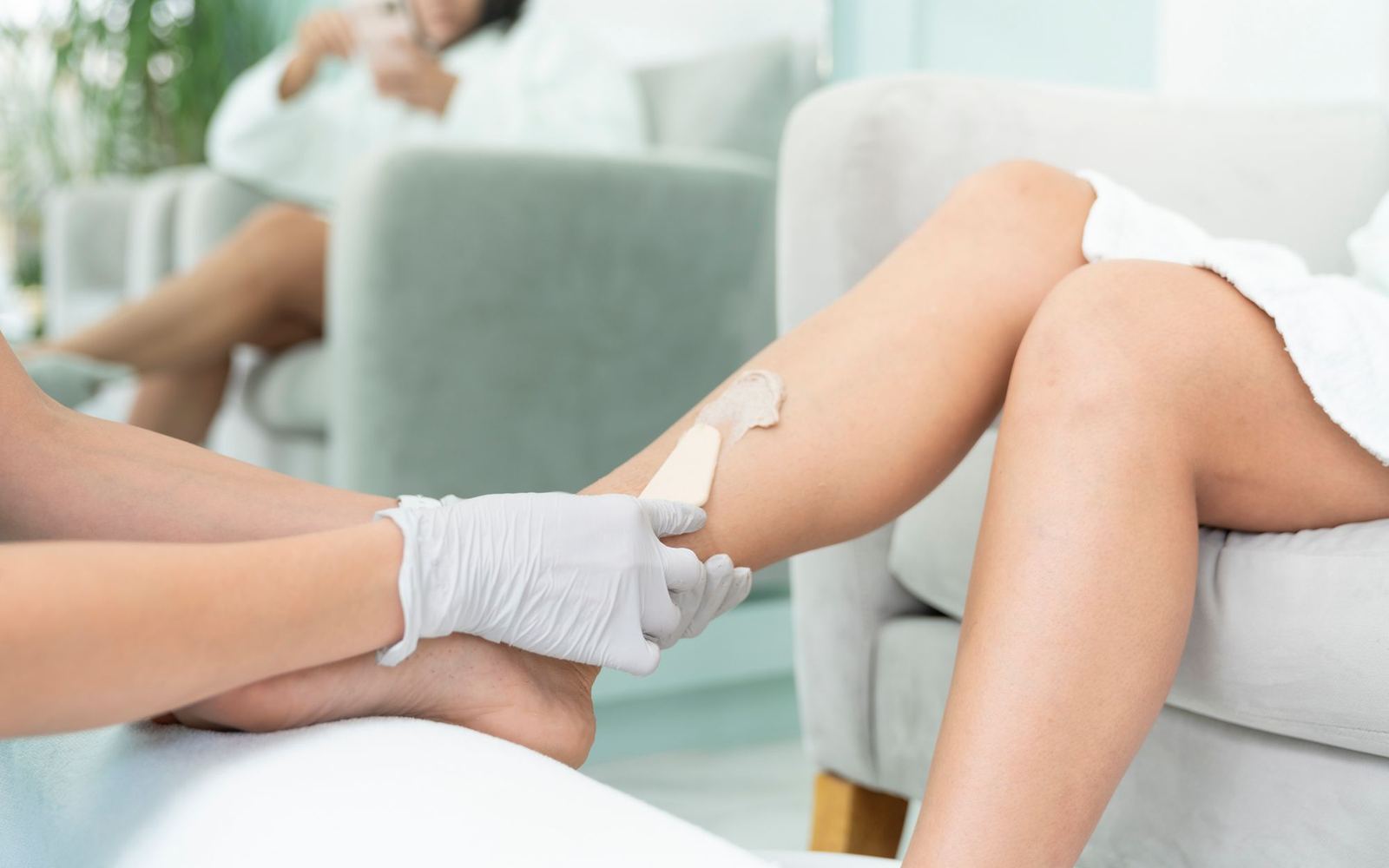
Sclerotherapy injections and vascular lasers that collapse unwanted spider veins on the legs and face, the two proven methods for clearing visible vessels.
Also called: sclerotherapy, vein removal, laser vein treatment, telangiectasia treatment
See the clinics in your city that offer it, compare reviews, and request a free consultation.
Your location is used once to pick the nearest city and is never stored.
Spider vein treatment is one of the most quietly satisfying procedures in aesthetics: the veins that have annoyed you for years visibly disappear, permanently, over a few short sessions. The medicine is mature (sclerotherapy has been refined for nearly a century, vascular lasers cover what needles can’t), and the results speak in shorts season.
How spider vein treatments work
Spider veins (telangiectasias) are small dilated vessels near the skin surface: red, purple, or blue threads and starbursts, most common on legs and face. Two proven tools clear them:
Sclerotherapy: the gold standard for legs. A fine needle delivers a sclerosant solution into each vessel, irritating its walls so it collapses and seals. The body absorbs the defunct vein over the following weeks.
Vascular lasers / IPL: light energy coagulates vessels through intact skin. The choice for facial veins, fine capillary matting, and anyone needle-averse.
The critical screening step for legs: ruling out underlying venous insufficiency. When deeper veins leak pressure upward, surface veins keep appearing no matter how many you treat, so serious providers check (symptoms or ultrasound) before cosmetic work, and treat the source first when found.
What to expect
Sessions run 15–30 minutes. Leg sclerotherapy involves a series of tiny injections (small stings, very tolerable) followed by compression stockings for several days and a 48-hour pause on intense exercise. Facial laser sessions are quick warm snaps with mild redness after.
Expect treated areas to look worse before better: bruise-toned and darker for days to weeks as vessels break down. That’s the process working.
Results and timeline
Weeks 3–8 after each session: treated veins fade and vanish
1–3 sessions clears most leg patterns; facial vessels often clear in 1–2
Treated veins don’t return; new veins may form over years. Annual touch-ups keep legs clear
Book fall/winter series for clear-by-summer legs
Is spider vein treatment right for you?
Strong candidates:
Visible leg spider veins without symptoms of deeper vein disease
Facial vessels around the nose and cheeks
Anyone who’s postponed shorts, skirts, or beach days over vein self-consciousness
Flag for a vein workup first: aching, heaviness, night cramps, ankle swelling, or bulging varicose veins. Treat the cause before the cosmetics (often insurance-covered when medical).
Risks. Bruising is common and short-lived. Some people develop post-inflammatory hyperpigmentation, a brownish staining along the treated vein that can take months to fade, and a fine network of new red vessels (matting) can appear in the treated area. Clots in the treated or deeper veins are rare; report leg pain or swelling after treatment promptly.
Who is not a good candidate for sclerotherapy: anyone with a known allergy to the sclerosant, an active infection, a personal history of deep vein thrombosis, or severe peripheral arterial disease. Pregnancy and breastfeeding, a clotting disorder, and being unable to walk normally afterwards are reasons to defer or to talk it through with the provider first. Facial vessels are treated with laser rather than injections.
What affects the cost
Extent. Sessions price by time/volume ($250–600); dense bilateral leg patterns need the higher end and more sessions.
Method mix. Combined sclerotherapy + laser plans cost more per session but converge faster.
Medical vs cosmetic. Underlying insufficiency treatment is often insurance territory; the cosmetic finishing is out-of-pocket.
Touch-up cadence. Annual maintenance sessions run at the low end of pricing.
Browse spider vein treatment providers near you on ClinicCompass, and favor practices that ask about your legs’ symptoms before their appearance.
Why people choose Spider Vein Treatment
Sclerotherapy remains the gold standard for leg spider veins
Treated veins are gone permanently (new ones can be treated as they appear)
Are you a good candidate?
Adults with visible spider veins on legs or face; leg treatments work best after ruling out underlying vein insufficiency, which good providers screen for
By location
Find Spider Vein Treatment near you
1,889 clinics across 437 cities list Spider Vein Treatment on ClinicCompass. 1,071 of them (57%) say on their own websites that they offer financing or payment plans;
ask about approval and interest before you book.
What's the difference between sclerotherapy and laser vein treatment?
Sclerotherapy injects a solution that irritates the vein wall, collapsing it, the decades-proven gold standard for leg spider veins, where vessels are large enough to enter with a fine needle. Vascular lasers coagulate the vessel through the skin, ideal for facial veins, tiny matting, and needle-averse patients. Many treatment plans use both: injections for the feeders, laser for the fine residue.
Do the treated veins come back?
A properly collapsed vein is permanently gone. The body absorbs it over weeks. What returns is the tendency: people who form spider veins keep forming new ones over years (genetics, hormones, standing occupations, pregnancy). Most patients do a touch-up session every year or two for new arrivals rather than re-treating old ones.
Why does the provider want an ultrasound of my legs first?
Because visible spider veins are sometimes the surface symptom of refluxing deeper veins (venous insufficiency). Treat only the surface and results disappoint fast. The pressure source keeps painting new veins. Screening for reflux (heaviness, aching, ankle swelling are the tells) is the mark of a serious vein practice; if reflux exists, it's treated first, often with insurance coverage.
How long until my legs look clear?
Counterintuitively, treated veins look worse before they vanish (darker, bruise-like, sometimes with trapped blood that the provider may drain at follow-up). Fading takes 3–8 weeks per session, and most people need 1–3 sessions for a satisfying clearance. Start in fall or winter if you want clear legs by shorts season.
Does sclerotherapy hurt?
The needles are tiny and most solutions are lidocaine-mixed. Expect small stings and mild cramping sensations, very tolerable without numbing. Facial laser treatment feels like brief warm snaps. Neither requires downtime beyond compression stockings for legs.
What about spider veins on my face?
Facial vessels (around the nose, cheeks, chin) are laser and IPL territory; they're too fine for needles. One to three quick sessions usually clears them. If facial redness is diffuse rather than discrete vessels, that's rosacea management and BBL/IPL is the better conversation.
Sources
Where this information comes from
Clinical facts on this page are checked against these primary sources.
1.ASCLERA (polidocanol) Injection: Prescribing Information, U.S. Food and Drug Administration (DailyMed, National Library of Medicine)Confirms polidocanol (Asclera) is an FDA-approved sclerosant solution injected into spider and reticular leg veins, the mechanism behind sclerotherapy described on this page.
2.SOTRADECOL (sodium tetradecyl sulfate) Injection: Prescribing Information, U.S. Food and Drug Administration (DailyMed, National Library of Medicine)Confirms sodium tetradecyl sulfate (Sotradecol) is the other FDA-approved sclerosant used to treat small uncomplicated varicose and spider veins in the legs, matching this page's description of the sclerosant injection.
3.Sclerotherapy, StatPearls, National Library of Medicine (National Institutes of Health)Backs the mechanism that a sclerosant solution damages the vein wall so it collapses and seals, that compression stockings are worn afterward, that treated areas can bruise or darken as they heal (hyperpigmentation from hemosiderin in roughly 30% of patients at 6 to 8 weeks, plus telangiectatic matting), and the contraindications the page lists: sclerosant allergy, active infection, a history of deep vein thrombosis and severe peripheral arterial disease as absolute, with pregnancy, breastfeeding, thrombophilia and impaired mobility as relative.
4.Spider Veins, StatPearls, National Library of Medicine (National Institutes of Health)Backs screening for underlying venous insufficiency before treating surface spider veins, and that sclerotherapy is first-line for leg veins while IPL and laser are the noninvasive option.
5.Sclerotherapy for Spider Veins, American Society for Dermatologic SurgeryConfirms sclerotherapy is the treatment of choice for leg spider veins, that compression stockings are worn after treatment, and that treated veins fade over weeks with several sessions sometimes needed.
6.Laser Therapy for Spider Veins, American Society for Dermatologic SurgeryConfirms laser and light therapy is the treatment of choice for facial spider veins, that multiple sessions are often needed, and that the warm-snap sensation and temporary redness or swelling match this page's description.