Is Botox Safe? A Dermatologist's Honest Answer
Most articles about Botox safety refuse to discuss the worst case. A board-certified dermatologist walks through the honest numbers, including decades of data, what dose-level risk really looks like, and why the disasters you read about trace to counterfeit product, not the molecule.
Is Botox safe? Do I feel it’s a safe medication? I think all the neuromodulators are extremely, extremely safe. But “extremely safe” deserves to be shown, not just said. So let’s look at the honest numbers, including the worst-case ones nobody likes to talk about.
The worst-case numbers, honestly
Let’s start with the only complication that can’t be reversed: death. Across decades of neuromodulator administration, fatalities are in the low double digits, against tens of millions of cosmetic units administered. This is genuinely rare.
And the data is heavily skewed toward pediatric patients treated for spastic muscles or cerebral palsy: high dosage into a small body weight, which we know raises the risk of the toxin spreading beyond the target area. That is a very different situation from cosmetic treatment.
What actually goes wrong, when it goes wrong
When neuromodulators do cause serious harm, it’s usually the respiratory muscles failing. The patient becomes unable to breathe. The riskier territory is the neck area, where diffusion into the swallowing and respiratory muscles is a higher-stakes possibility, and again this is dose-dependent. If the swallowing muscles are affected, patients can develop aspiration pneumonia from not protecting their airway.
I want to be clear: this is rare, and it lives almost entirely in the world of high-dose medical treatment and bad actors, not in properly performed cosmetic injections.
The margin of safety in cosmetic dosing
If you’re being injected by a qualified, experienced injector using aesthetic doses, you’re operating with an enormous safety margin. Cosmetic doses are far lower than what neurologists use. That’s a gift for cosmetic patients, because the safety data from neurology-level dosing covers doses many times higher than anything you’ll receive for frown lines.
”Does it build up in my system?”
A question I hear constantly: the more I inject over the years, am I at more risk? Does it accumulate?
The answer is no. Botox is broken down, and the receptors regenerate. You can always go back to zero. And almost all side effects, other than the vanishingly rare fatal ones, are reversible with time. That is a genuinely good thing, and it’s unusual among medications.
Where the horror stories actually come from
The clusters of deaths and disasters you read about have a common thread: people trying to save a bit of money on counterfeit product from unregulated sources. When there’s no regulation, the concentration and contents are not what’s advertised. If you’re getting “Botox” in someone’s basement from a person who isn’t a physician or healthcare provider at all, that is where the risk lives.
We have unfortunately seen clusters of deaths from unregulated products. It’s tragic, and it is entirely preventable. The molecule isn’t the danger; the counterfeit supply chain and unqualified hands are.
The bottom line
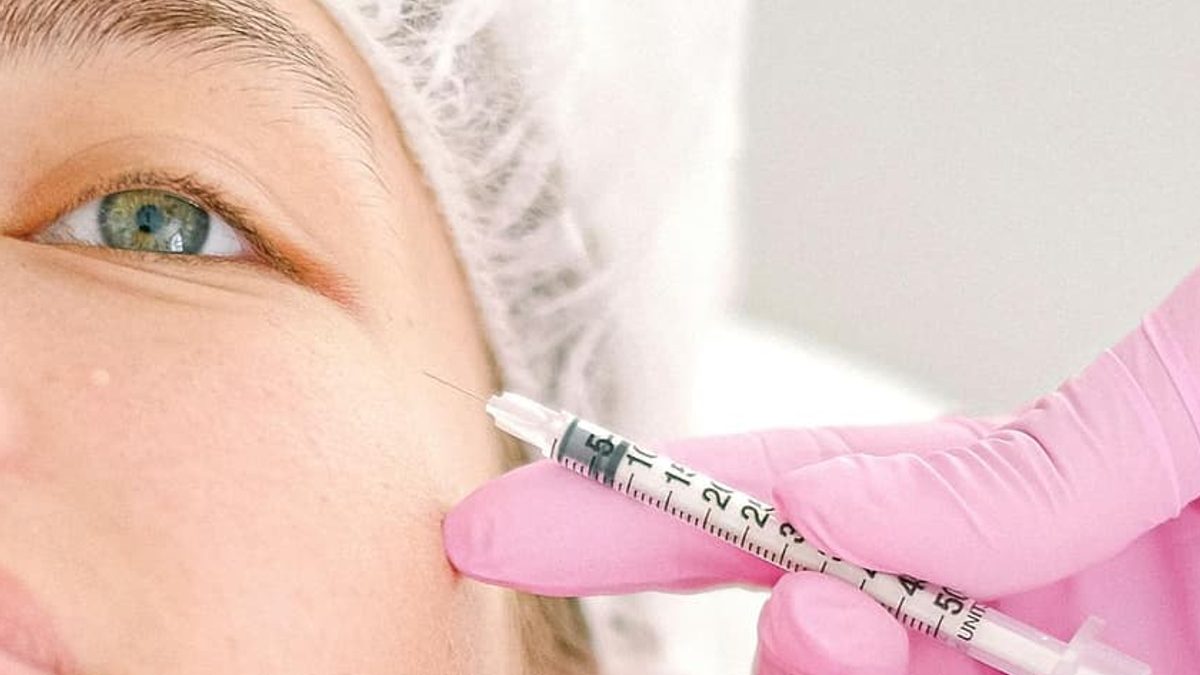
Yes, Botox is safe. Real product, qualified injector, cosmetic doses: that combination has one of the deepest safety records in aesthetic medicine. The known disasters overwhelmingly trace to fake product and unqualified injectors, which means the single most protective decision you make is who you let hold the syringe.
Want the full picture? Read my guides to Botox side effects and how long Botox lasts.
Find a Botox clinic near you
See the clinics in your city that offer it, compare reviews, and request a free consultation.
Your location is used once to pick the nearest city and is never stored.

Dr. Victoria Taraska, MD, FRCPC
Board-Certified Dermatologist
Dr. Victoria Taraska, MD, FRCPC, is a board-certified dermatologist with over 25 years of experience in both medical and cosmetic dermatology. She earned her medical degree from the University of Manitoba, completed internal medicine training there, and finished her dermatology residency at the University of Ottawa. She has been a Fellow of the Royal College of Physicians and Surgeons of Canada in dermatology since 1998, is an active member of the Canadian Dermatology Association and the American Academy of Dermatology, and developed the InforMED patient decision aids for dermatological conditions. Dr. Taraska reviews ClinicCompass treatment content for medical accuracy.
More from Dr. Taraska →This article is for education, not medical advice. Treatment decisions should always be made in consultation with a qualified provider who has examined you.
Keep reading
Dermatology Marketing: How a Derm Practice Fills Its Cosmetic Schedule
A dermatology practice does not lose cosmetic patients to med spas because of price. It loses them because the cosmetic side is hidden behind a medical front desk, a three-month wait and a website written for insurance patients. This is how to give the cosmetic side its own front door and fill it.
Read post → Patient GuideMicroneedling Aftercare and Downtime: The Day-by-Day Guide
Microneedling downtime is short, but the first 48 hours decide whether your result is good. Here is what to expect each day, what to put on your skin and what to keep off it, and the handful of things people do that undo the treatment they just paid for.
Read post → WellnessIs Red Light Therapy Safe? The Risks, the Evidence, and Who Should Skip It
Red light therapy has almost no side effects, which makes it easy to recommend and easy to overpromise. The honest picture: strong evidence for a few uses, thin evidence for most of the claims on the box, and a short list of people who should not sit under the panel.
Read post →Find Botox providers in your city
Compare vetted clinics with real Google ratings, see honest local cost ranges, and request a free consultation.