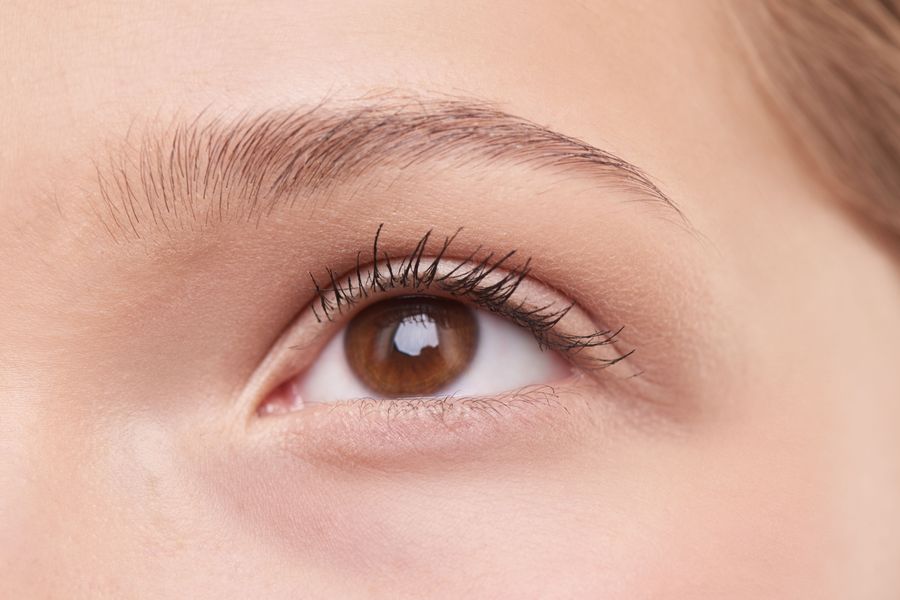

Thin eyebrows have a way of aging a face that people do not notice until they see an old photo. Brows frame the eyes, and when they fade, over-plucking from the thin-brow decades, hormonal change, or simply age, the whole upper face loses definition. The fix depends on one question: is there hair to bring back, or does the brow need to be drawn?
Drawing the brow
Microblading uses a fine hand tool to deposit pigment in hair-like strokes along the brow, following the direction real hairs grow. Healed, it reads as a fuller version of your own brow. Powder brows use a machine to shade a soft fill, like the look of brow powder, and suit oily skin and very sparse brows where individual strokes would look drawn. Combination brows use both. All three take about two hours, need a touch-up at six to eight weeks, and last one to two years before a refresh.
The artist is the entire result. Brow shape depends on measuring your face, choosing a pigment that heals to the right tone, and drawing strokes that follow how your hair actually grows. Look at healed results on the artist’s own clients, at six months, not fresh photos taken in the chair, and expect to pay several hundred dollars for someone whose healed work you would wear.
Growing the brow
Where follicles survive, hair can be coaxed back. PRP injections into the brow, sometimes delivered through microneedling, stimulate dormant follicles with your own growth factors over a series of sessions, with results building over three to six months. Prescription topicals used off-label for brows do similar work more slowly. This route suits brows thinned by age or by a recent plucking phase. It does not suit brows plucked bare for twenty years; those follicles are usually gone, and drawing is the honest answer.
Many people do both: a regrowth series to recover what can be recovered, and microblading to fill what cannot.
What to avoid
Permanent tattoo ink in the brow. Older brow tattoos used body-art ink that turns blue or grey and lasts forever, which is why so much microblading work now involves correcting them. Modern brow pigments are designed to fade. Ask any provider what pigment they use and how it heals over time.
How to choose a provider
For microblading, ask to see healed results at six months on clients with your hair color and skin type, ask what happens if you dislike the shape at the touch-up, and check that the studio is licensed and uses single-use tools. For regrowth, ask the provider to examine the brow under magnification and say honestly whether there are follicles to work with.
Browse the clinics below. Bring a photo of your brows from before they thinned; it is the best shape reference an artist can have.