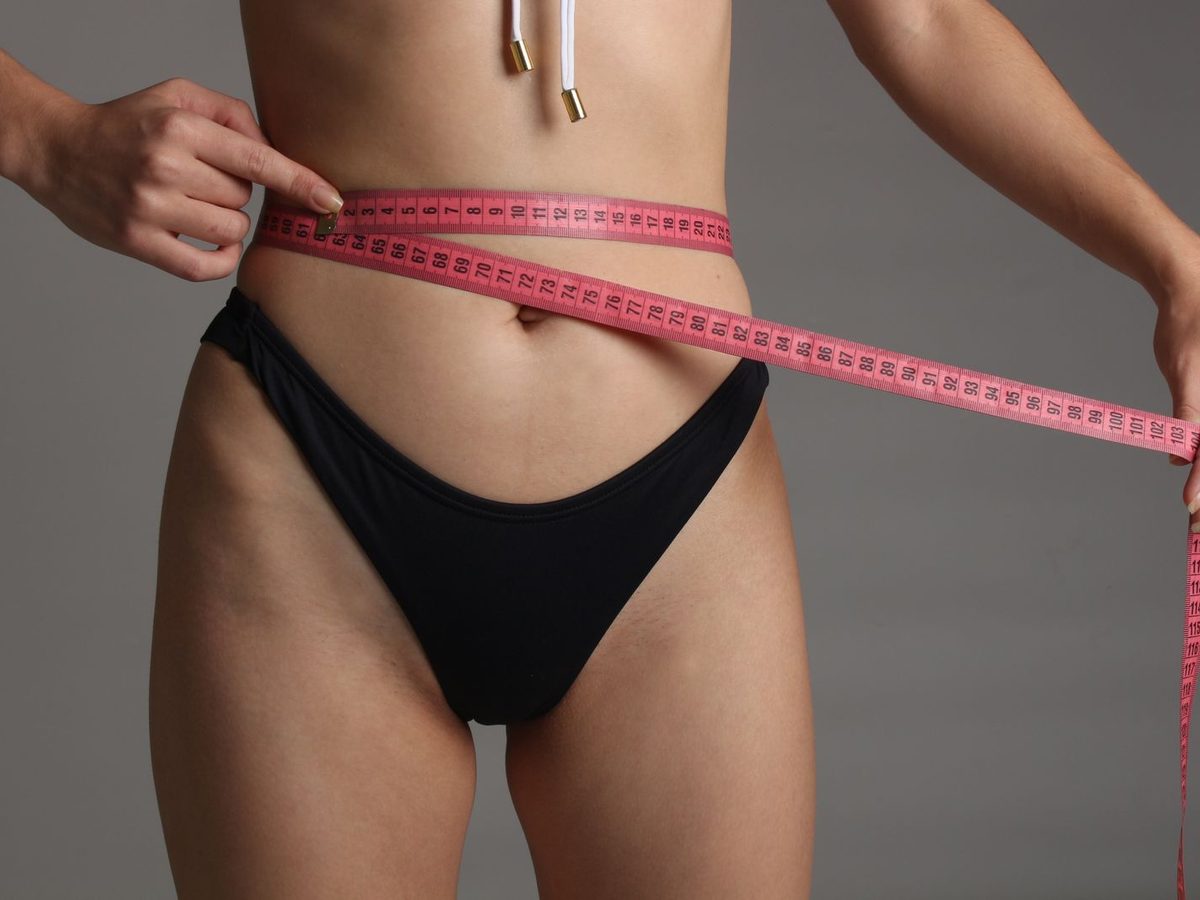
Lipo 360 is the most searched liposuction procedure in the United States, and the name explains why. Instead of treating the abdomen as one job and the love handles as another, the surgeon contours the full circumference of the torso in one operation, front, sides and back, so the new waist reads the same from every angle. Add high-definition sculpting for people who are already lean, and fat transfer to the buttocks for people who want it, and you have the operation that fills most body-contouring consult calendars. This page covers what it is, who it suits, what it costs, how much can safely be removed, and how to pick a surgeon.
What it is, and what it is not
Lipo 360 is a plan, not a technique. The areas are upper and lower abdomen, flanks, waist, lower back and often the mid back or bra roll, treated together. Removing fat from the front alone can produce a waist that looks finished from ahead and unfinished from behind; contouring the ring avoids that. The fat is removed through a few incisions a few millimetres long, with a cannula, under general anesthesia or deep sedation in most practices, over two to four hours. The fat cells removed do not come back, though the ones that remain can still grow if weight goes up.
High-definition (HD, 4D) lipo is a goal layered on top: sculpting closer to the muscle so the abdominal lines and obliques show, including “etching” the six-pack. It is for people who are already lean and train; on a softer body it makes lines that look drawn on, and it carries more risk of irregularity because the fat layer is left thin.
VASER, laser lipo, SmartLipo, power-assisted, BodyTite and Renuvion are tools. Ultrasound or laser energy loosens or heats the fat before suction, and radiofrequency or plasma energy under the skin is meant to help it retract. Any surgeon can do a 360 with any of them. The tool is what clinics advertise because it is what they bought; the result depends on the surgeon’s judgment about your skin and how much to remove.
Who it suits
Three things decide candidacy, and a good consult checks all three. Weight: within about 30 pounds of a stable weight. Liposuction is a shaping operation, not a weight loss one, and results are best when the number on the scale is not moving. Fat type: fat that pinches between the fingers is under the skin and reachable; a hard, rounded abdomen is fat around the organs, which no liposuction can touch. Skin: it has to retract over the new shape. After pregnancies or large weight loss, loose skin gets looser once the fat under it is gone, and the honest answer becomes a tummy tuck, often combined with lipo of the flanks and back so the result is 360 anyway. The test is a pinch above the navel: if the skin stays slack, ask about a tuck.
How much can be removed
This is where lipo 360 differs most from a single-area lipo, because it covers more surface and moves more fluid. The American Society of Plastic Surgeons defines large-volume liposuction as more than five liters removed and recommends it be done where the patient can be monitored overnight. Its analysis of more than 4,500 patients found an overall complication rate of 1.5 percent with no deaths, rising to 3.7 percent above five liters, almost entirely from fluid collections needing drainage, and it found the safe volume depends on BMI. In practice a 360 on a slim patient removes one to two liters and on a larger patient three to five. A surgeon who names a volume before examining you, or plans more than five liters in an office suite, has told you what you need to know.
What it costs
$7,000 to $15,000 all-in for surgeon, anesthesia and facility, with most US quotes between $8,000 and $12,000. High-definition work adds $2,000 to $5,000. Adding a BBL brings the package to $12,000 to $20,000. Canadian pricing tracks similar figures in dollars. Quotes well under $5,000 usually mean a provider who is not a plastic surgeon, a facility that is not accredited, or a two-area lipo being called 360. Ask whether garments, lymphatic massage and follow-up visits are included.
Recovery
One to two weeks off desk work, four to six off heavy exercise, a compression garment nearly around the clock for about six weeks. Bruising and swelling peak in week one and mostly resolve by week four; the final shape takes three to six months as swelling clears and skin retracts. Most surgeons prescribe lymphatic drainage massage in the first weeks; it is standard, the evidence is modest, and it is often an extra cost. Numbness in the treated skin is normal for months and occasionally persists.
Risks
The ASPS list applies in full: contour irregularities and asymmetry (the most common reason for revision, and more likely with HD work), fluid collections, persistent changes in skin sensation, infection, poor wound healing, irregular pigmentation, rippling or loose skin and worse-looking cellulite, blood clots, and rare damage to deeper structures including abdominal organs. Ultrasound- and laser-assisted techniques add burns. If a surgeon proposes Renuvion or a similar device under the skin to tighten, note the FDA’s position: the device is cleared for use after liposuction for body contouring, not for skin tightening on its own.
Choosing a surgeon
Board certification in plastic surgery, an accredited surgical facility, and an anesthesia provider in the room are the baseline for an operation of this size. Then ask three things. How many liters do you plan to remove and why? What will you do about my skin? Show me your own 360 results at six months, on bodies like mine, from the back as well as the front. The surgeons listed below carry their procedure lists and, where they have published them, their own statements on liposuction; the liposuction page covers single-area work and the tummy tuck page covers the skin-and-muscle operation many 360 consults end up recommending.
Where to compare lipo 360
Compare surgeons in Miami, Houston, Los Angeles, Atlanta and Dallas, or browse lipo 360 surgeons in your city. If a BBL is part of the plan, look for surgeons who list both.