Skip to content
ClinicCompass
Cosmetic Surgery

Scar Revision (Scar Revision Surgery)

Surgery and in-office treatments that make a scar less visible: excision and layered re-closure for wide or raised scars, Z-plasty or W-plasty to redirect a scar into natural lines or release a tight one, steroid injections for raised scars, and filler, laser or dermabrasion for surface problems. A scar cannot be erased, and the plan depends on which kind of scar it is.

Also called: scar revision surgery, scar removal surgery, surgical scar removal, keloid removal, keloid surgery, Z-plasty, W-plasty, scar excision, hypertrophic scar treatment

Scar Revision
Typical cost

$500–$6,000

per scar (injections at the low end, surgical revision at the high end)

Sessions

Surgical revision is one procedure with a year of maturing; steroid injections run in a series of 3 to 6 sessions a month apart; lasers 3 to 5 sessions

typical course

Downtime

Surgical revision needs sutures for 1 to 2 weeks and 1 to 2 weeks off strenuous activity; injections and lasers have a day or two of redness

Estimate your Scar Revision cost by city →

Find a clinic

Find a Scar Revision clinic near you

See the clinics in your city that offer it, compare reviews, and request a free consultation.

Your location is used once to pick the nearest city and is never stored.

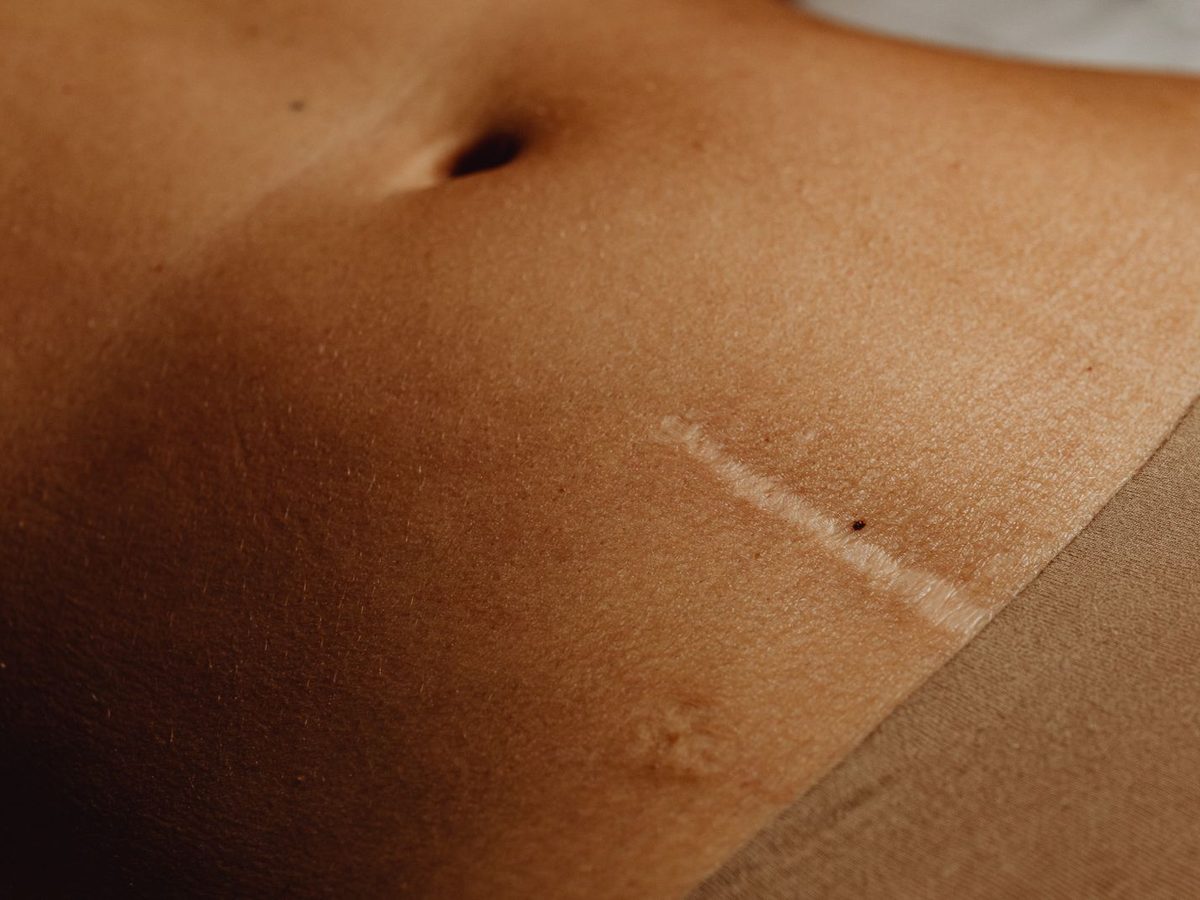
A scar is the body’s repair, and it is not always a good one. Some heal wide because the wound was under tension, some heal raised because the skin over-produced collagen, some pull on the skin around them, and some simply sit in the wrong direction on a face. Scar revision is the set of treatments, from a steroid injection to a surgical redesign, that make a scar less visible or less troublesome. The most important sentence on this page comes from the American Society of Plastic Surgeons: a scar cannot be completely erased. The realistic goal is a better scar, and what better means depends on which kind you have.

The four kinds of scar

The ASPS groups scars into four types, and the type decides the treatment. Discoloration and surface irregularities, a scar that is red, brown or slightly uneven but flat and painless, are treated at the surface. Hypertrophic scars are thick, raised, often red or itchy clusters of scar tissue confined to the wound. Keloids are larger, can be painful or itchy, and extend beyond the edges of the original wound; they run in families and are more common in darker skin. Contractures are scars that tighten during healing and restrict movement, often after burns or across a joint. The everyday cosmetic complaint, a surgical scar that stretched wide or healed with a step, sits between the first two groups and is the classic surgical revision case.

The treatments, from least to most

The ASPS procedure page lists the full menu. Topical: silicone gels, tapes and compression, the standard low-risk measure for new scars in people prone to raised healing; a Cochrane review of 20 trials found weak evidence of benefit and called the research poor, so use them and expect modest results. Injections: triamcinolone (a steroid) into raised scars to flatten them and relieve itch, in a series; and dermal filler to lift depressed scars, lasting three months to several years and needing repeats. Surface treatments: dermabrasion, laser or light therapy, chemical peels and bleaching agents for texture, redness and pigment; the laser resurfacing and microneedling pages cover the device options. Surgery: excision of the old scar and closure in layers under no tension, which is what turns a wide scar into a fine line; W-plasty and Z-plasty, which break a straight scar into a zigzag that hides in skin creases or lengthens a contracture; flap closures that reposition a scar; skin grafts; and tissue expansion, an inflatable balloon placed under nearby healthy skin and filled over weeks so the stretched skin can replace the scarred area.

Keloids are a different problem

Cutting out a keloid and closing the wound produces, often, a bigger keloid. A systematic review of 162 treatment studies found intralesional steroid, laser and radiotherapy the most used approaches, most steroid studies confirmed it works alone, and the consistent finding was that combinations, steroid with 5-fluorouracil, steroid with laser, excision followed immediately by steroid injection or low-dose radiotherapy, outperform any single treatment and recur less; the review names sole or inadequate treatment as a major risk factor for recurrence. If you form keloids, the consult you want is with someone who talks about a sequence, not a single procedure.

Timing, sun and smoking

A scar is ready for revision when it has matured, usually at a year: the redness has faded and it has stopped changing. Revising a scar that is still remodeling invites the same process that made it. Contractures that limit movement and keloids that are growing are the exceptions treated earlier. Through that first year, sun protection matters more than any treatment, because a scar that tans stays darker for good. Smoking impairs every outcome and most surgeons will not revise a scar in a smoker.

What it costs

Steroid injections $100 to $300 a session, laser $300 to $800 a session in a series, filler $600 to $1,200 repeated as it fades, and surgical excision with layered closure $1,500 to $6,000 per scar in the US depending on length, site and whether a Z-plasty, flap or graft is involved; facial work costs more per centimetre. Insurance sometimes covers revision that restores movement, relieves pain or follows injury or surgery; cosmetic revision is self-pay. Canadian pricing tracks similar figures.

Recovery and risks

Surgical revision means sutures for one to two weeks, tape or silicone for months, and a new scar that takes its own year to mature, so the final judgement waits that long. Injections and lasers cost a day or two of redness. Risks are those of any skin surgery: bleeding, infection, poor healing, spreading if the new scar crosses a tension line or a joint, colour change and numbness, plus, in keloid-prone patients, a new keloid, which is why surgery alone is avoided in them.

Choosing a provider

A board-certified plastic surgeon or a dermatologic surgeon who revises scars regularly, who classifies your scar before proposing anything, who talks about combinations for raised scars, and who shows results at a year rather than at six weeks. Ask what they would do if the revision itself scars badly. The scars page covers the full range from acne scars to stretch marks, most of which are treated in the office rather than the operating room.

Where to compare scar revision surgeons

Compare surgeons in Los Angeles, New York, Houston, Miami and Chicago, or browse scar revision surgeons in your city.

Why people choose Scar Revision

  • Excision and careful re-closure can turn a wide, stretched or stepped scar into a fine line
  • Z-plasty and W-plasty release scars that pull or restrict movement and hide them in natural skin creases
  • Steroid injections flatten raised scars and relieve their itch and pain without surgery
  • Fillers, lasers and dermabrasion improve depressed scars, redness and texture in the office
Are you a good candidate?

Adults with a mature scar (usually a year old) that is wide, raised, depressed, discolored, pulling on nearby skin or sitting against the natural lines of the face or body, who are healthy, do not smoke, and accept that the goal is a better scar rather than no scar; people who form keloids need a combination plan, not surgery alone

By location

Find Scar Revision near you

585 practices across 225 cities list Scar Revision on ClinicCompass. 378 of them (65%) say on their own websites that they offer financing or payment plans; ask about approval and interest before you book.

Austin Texas → Charlotte North Carolina → Nashville Tennessee → Tampa Florida → Calgary Alberta → Miami Florida → Phoenix Arizona → Denver Colorado → Atlanta Georgia → Dallas Texas → Toronto Ontario → Seattle Washington → Boston Massachusetts → Chicago Illinois → Houston Texas → Los Angeles California → New York New York → San Diego California → Portland Oregon → Minneapolis Minnesota → Las Vegas Nevada → Orlando Florida → San Francisco California → Philadelphia Pennsylvania → Detroit Michigan → Lubbock Texas → Scottsdale Arizona → Vancouver British Columbia → Fort Lauderdale Florida → San Antonio Texas → Montreal Quebec → Washington District of Columbia → West Palm Beach Florida → Newport Beach California → Beverly Hills California → Salt Lake City Utah → San Jose California → Fort Worth Texas → Raleigh North Carolina → Baltimore Maryland → Columbus Ohio → Indianapolis Indiana → St. Louis Missouri → Jacksonville Florida → Cleveland Ohio → Pittsburgh Pennsylvania → Cincinnati Ohio → New Orleans Louisiana → Ottawa Ontario → Mississauga Ontario → Colorado Springs Colorado → Charleston South Carolina → Tulsa Oklahoma → Omaha Nebraska → Reno Nevada → Chattanooga Tennessee → Frisco Texas → Long Island New York → Queens New York → Brooklyn New York → Hoboken New Jersey → Jersey City New Jersey → Coral Gables Florida → Surrey British Columbia → Bellevue Washington → Palo Alto California → Buffalo New York → La Jolla California → Gilbert Arizona → Naples Florida → Torrance California → Plano Texas → Boca Raton Florida → Rochester New York → El Paso Texas → Corpus Christi Texas → Naperville Illinois → Tacoma Washington → Temecula California → The Woodlands Texas → Henderson Nevada → Katy Texas → Walnut Creek California → Wilmington Delaware → Tuscaloosa Alabama → Anchorage Alaska → Irvine California → Schaumburg Illinois → Richmond Virginia → Glendale California → Tallahassee Florida → Waco Texas → Franklin Tennessee → Gainesville Florida → Little Rock Arkansas → Sarasota Florida → Wichita Kansas → Des Moines Iowa → Delray Beach Florida → Lafayette Louisiana → St. George Utah → Charlottesville Virginia → Ocala Florida → Annapolis Maryland → Cherry Creek Colorado → Columbia South Carolina → Columbia Missouri → Fargo North Dakota → Fort Myers Florida → Lancaster Pennsylvania → Summerlin Nevada → Boulder Colorado → Buckhead Georgia → Palm Springs California → Worcester Massachusetts → Oak Brook Illinois → Abbotsford British Columbia → Kirkland Washington → Encinitas California → Bakersfield California → Burbank California → McAllen Texas → Savannah Georgia → Springfield Massachusetts → Springfield Missouri → Springfield Ohio → Frederick Maryland → Oakville Ontario → Evansville Indiana → Athens Georgia → Birmingham Alabama → West Hollywood California → Marietta Georgia → Grand Rapids Michigan → Lakeland Florida → Mobile Alabama → Pensacola Florida → Virginia Beach Virginia → Richmond Hill Ontario → Burnaby British Columbia → Abilene Texas → Aventura Florida → Alpharetta Georgia → Arlington Virginia → Fort Collins Colorado → Palm Desert California → Staten Island New York → Carmel Indiana → King of Prussia Pennsylvania → Destin Florida → Ann Arbor Michigan → Knoxville Tennessee → Manhattan New York → Modesto California → Sandy Springs Georgia → Santa Monica California → Sugar Land Texas → Murfreesboro Tennessee → West Hartford Connecticut → Kissimmee Florida → White Plains New York → Cape Cod Massachusetts → San Mateo California → Spartanburg South Carolina → Vaughan Ontario → Venice Florida → New Haven Connecticut → Akron Ohio → Bozeman Montana → Huntington Beach California → Oakland California → Roswell Georgia → Johns Creek Georgia → Allentown Pennsylvania → Syracuse New York → Manhattan Beach California → Port St. Lucie Florida → South Bend Indiana → Concord North Carolina → Flagstaff Arizona → Newport News Virginia → Rockville Maryland → Fredericksburg Virginia → Stamford Connecticut → Newton Massachusetts → Bridgeport Connecticut → Daytona Beach Florida → Lexington Kentucky → Ogden Utah → Victoria British Columbia → Bonita Springs Florida → Princeton New Jersey → Pueblo Colorado → Nanaimo British Columbia → London Ontario → Melbourne Florida → Augusta Georgia → Barrie Ontario → Morristown New Jersey → Hartford Connecticut → Miami Beach Florida → Gainesville Georgia → Alexandria Virginia → Rockwall Texas → Flower Mound Texas → Overland Park Kansas → Georgetown Texas → Jupiter Florida → Hinsdale Illinois → Westlake Village California → Doral Florida → Fairfax Virginia → Summerville South Carolina → Wesley Chapel Florida → Orland Park Illinois → Brookfield Wisconsin → Garden City New York → Lake Oswego Oregon → Red Bank New Jersey → Highlands Ranch Colorado → Ridgewood New Jersey → Danville California → Mill Valley California → Quincy Massachusetts → Redmond Washington →
Know before you book

Scar Revision guides & cost breakdowns

Honest, in-depth reading to help you compare options and budget with confidence.

Frequently asked

Scar Revision questions, answered

Which scars can be revised?

The American Society of Plastic Surgeons groups them four ways, and each gets a different plan. Discoloration and surface irregularities (a red, brown or slightly uneven scar) respond to lasers, peels, dermabrasion and bleaching agents. Hypertrophic scars (thick, raised, red, sometimes itchy, confined to the wound) respond to steroid injections, silicone and laser, with excision for the stubborn ones. Keloids (raised scars that grow beyond the original wound and can be painful) need combination therapy and recur if only cut out. Contractures (scars that pull and restrict movement, often after burns) need surgical release with Z-plasty, flaps or grafts. Wide, stretched or stepped surgical scars, the most common cosmetic complaint, are excised and re-closed in layers.

When is a scar ready for revision?

Usually at a year, when it has matured: redness has faded, the scar has softened and stopped changing. Revising a scar that is still remodeling invites the same process that made it. Exceptions are a contracture limiting movement, which can be released earlier, and keloids, where early injection is better than waiting. Sun protection during the first year matters more than any treatment, because a tanned scar stays darker permanently.

Does surgery remove a scar?

No. The ASPS is direct about this: a scar cannot be completely erased. Surgery trades a bad scar for a better one, a fine line placed along natural creases and closed in layers under no tension, which then takes its own year to mature. For a scar that was wide, raised, stepped or pulling, that trade is worthwhile; for a scar that is already thin and flat, it usually is not, and laser or camouflage is the better answer.

What are steroid injections?

Triamcinolone injected directly into a raised scar, usually three to six sessions a month apart. It flattens hypertrophic scars and keloids and relieves itch and pain, and most studies in a review of 162 treatment studies confirmed it works on its own. The catch is recurrence, which is why keloids are treated with combinations: steroid plus 5-fluorouracil, steroid plus laser, or excision followed immediately by steroid or low-dose radiotherapy. Side effects are thinning or lightening of the skin around the injection and small visible vessels; a skilled injector limits them.

How much does scar revision cost?

Steroid injections $100 to $300 a session. Laser treatment $300 to $800 a session, in a series. Filler for a depressed scar $600 to $1,200, repeated as it fades. Surgical excision with layered closure $1,500 to $6,000 per scar in the US, depending on length, location and whether a Z-plasty, flap or graft is needed; facial scars cost more per centimetre. Insurance sometimes covers revision of a scar that restricts movement, causes pain, or followed injury or surgery; cosmetic revision is self-pay. Canadian pricing is similar in dollars.

Do silicone sheets and gels work?

They are the standard low-risk recommendation for new scars in people prone to raised scarring, and a Cochrane review of 20 trials and 873 participants found weak evidence that they reduce abnormal scarring and modestly improve thickness and colour of existing scars, while calling the underlying research poor and highly susceptible to bias. Use them: they are cheap and safe. Do not expect them to fix an established scar on their own.

What are the risks of surgical revision?

The same as any skin surgery: bleeding, infection, poor healing, a scar that spreads again if it sits across a tension line or in a mobile area, changes in skin colour, and numbness. Keloid-prone patients can form a larger keloid at the new incision, which is why surgery alone is avoided in them. Smoking and sun exposure worsen every outcome. Choose a plastic surgeon or dermatologic surgeon who revises scars regularly and can show results at a year.

Sources

Where this information comes from

Clinical facts on this page are checked against these primary sources.

  1. 1.Scar Revision, American Society of Plastic SurgeonsScar revision surgery attempts to minimize a scar so it is less conspicuous and blends with surrounding skin, treating discoloration or surface irregularities, hypertrophic scars (thick, raised, red or uncomfortable clusters at the wound site), keloids (larger, painful or itchy, extending beyond the original wound) and contractures (scars that restrict movement), and although it can improve a poorly healed scar, a scar cannot be completely erased. Backs this page's definitions and its central expectation-setting statement.
  2. 2.Scar Revision Procedure Steps, American Society of Plastic SurgeonsThe ASPS list of scar revision options: topical gels, tapes and compression; dermal filler for depressed scars lasting three months to several years and needing repeat treatment; steroid injections that alter the size and texture of raised scar tissue; dermabrasion, laser or light therapy, chemical peels and bleaching agents for surface treatment; surgical excision with layered closure for deeper scars; W-plasty and Z-plasty; flap closures that reposition a scar; and tissue expansion with an inflatable expander to stretch healthy skin. Backs this page's treatment menu.
  3. 3.Therapeutic methods and effect on keloid and hypertrophic scars: a systematic review, PubMed Central, National Institutes of HealthA review of 162 treatment studies in which intralesional corticosteroid (triamcinolone), laser or light therapy and radiotherapy were the most used approaches, most triamcinolone monotherapy studies confirmed efficacy, combination strategies integrating corticosteroids, excision, laser and radiotherapy showed superior outcomes and lower recurrence than single treatments, and sole or inadequate treatment was a major risk factor for recurrence. Backs this page's statements that keloids need combination therapy and that surgery alone recurs.
  4. 4.Silicone gel sheeting for preventing and treating hypertrophic and keloid scars, Cochrane Database of Systematic Reviews (PubMed Central)Across 20 trials and 873 participants there was weak evidence of a benefit of silicone gel sheeting for preventing abnormal scarring in high-risk people and some improvement in thickness and colour of existing scars, but the poor quality of the research leaves great uncertainty and the findings are highly susceptible to bias. Backs this page's honest framing of silicone as low-risk but modestly evidenced.