Ozempic Face: A Dermatologist on Why It Happens & the Fix
The face deflates because fat was doing quiet structural work all along. A board-certified dermatologist explains the anatomy behind Ozempic face, the treatments that rebuild it, and her contrarian take on when to start them.
What Ozempic face actually is
Ozempic face is a catchy term for what happens to anyone who’s had a rapid weight loss of 15 to 20% of their body weight or more: patients look gaunt or saggy after losing a lot of weight.
Here’s what the headlines miss: this is not specific to the drug. It can happen with any medically induced weight loss, in anyone who’s lost a severe amount of weight on their own, in someone who was sick in intensive care, or who had cancer. Anyone with rapid weight loss can develop what people call Ozempic face. But with the massive rise in GLP-1 use, we are simply seeing a lot more of it: people looking tired, saggy, and gaunt after their weight loss.
There’s a well-known joke in aesthetic circles: you either choose your face or your ass. Think about it. Have you ever seen an old-looking person who’s obese? Their fuller body and fuller face almost always smooth out wrinkles. But if that person loses 20 or so pounds, they start looking gaunt, and they can age a decade.
Fat is the ultimate natural wrinkle filler.
The balloon problem
Think of your face as a nice, full, inflated latex balloon when it has an adequate amount of fat in it. Blown up, the rubber stretches taut, smooth, and wrinkle-free.
Now let a lot of air out. The rubber doesn’t neatly shrink back to its original size. You’re left with a saggy, crinkly, stretched-out piece of latex. That is what happens to a face that loses the fat that supported it all those years.
When we lose fat on a GLP-1, we don’t just lose it in the body. The face has superficial and deep fat compartments, and these shrink too, particularly in the cheeks, the temples, and under the eyes, while the neck and jowls start to sag. And that fat wasn’t just filling space: it supported the dermis and stimulated collagen and elastin renewal. Lose the structural support, and the skin’s elasticity suffers with it.
How we fix it
Dermal fillers, placed into the areas where volume was lost: the temples, under the eyes, and the cheeks. The best filler injections are undetectable to strangers. Natural, just replacing the support that was lost, without overfilling.
Bio-stimulatory fillers like Sculptra and Radiesse, plus a newer option called HarmonyCa that’s been used in Europe, South America, and now Canada, though not yet in the United States. There’s real history here: Sculptra was originally tested in HIV patients who had a cachectic, gaunt look, before today’s excellent HIV treatments existed. We have years of experience using these products to rebuild natural structural lift and support.
Energy-based treatments for the skin itself: fractional and non-fractional lasers, Ultherapy, Thermage, and RF microneedling devices all help tighten and rebuild.
Starting a GLP-1? Do these five things
- Reduce your weight gradually
- Maintain good hydration
- Keep up good skin care
- Eat plenty of protein while you’re losing
- Do resistance training to protect your muscle mass
Don’t wait: where I break with the standard advice
Some experts say to wait on any of these treatments until your weight is stable or you’ve reached your target. I disagree. I don’t think you should wait.
If you’re going on a GLP-1 and you don’t want the gaunt look, we should see you early. We should do treatments as you’re reducing weight, knowing you’ll need further treatments as the weight comes down. Maintain your support and structure along the way, and you won’t get that cachectic, gaunt look at the end.
The bottom line
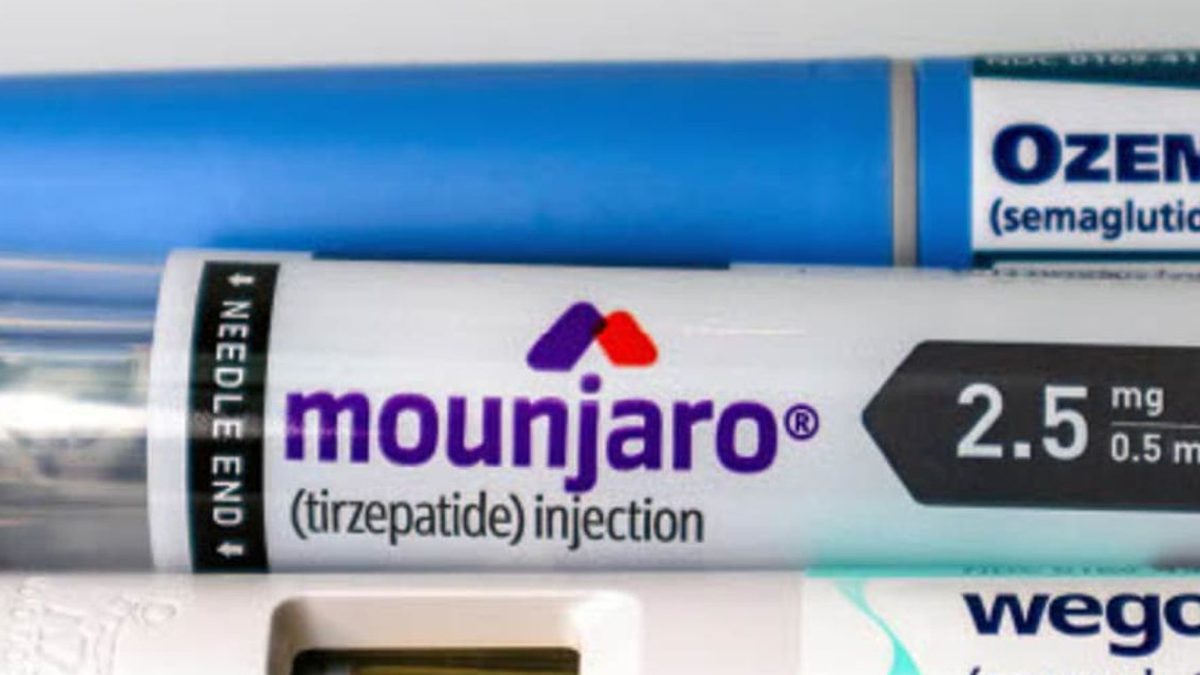
Ozempic face is a catchy name trending on social media, but the same look occurs with any rapid, significant weight loss, whether it’s Ozempic, Wegovy, Mounjaro, Zepbound, or no drug at all. The face deflates because fat was doing quiet structural work all along. The good news: we know exactly how to rebuild that support, and you don’t have to wait until the end to start.
Considering the medications themselves? Read our comparison of semaglutide vs. tirzepatide, and see medical weight loss providers by city.
Find a Semaglutide (Wegovy / Ozempic) clinic near you
See the clinics in your city that offer it, compare reviews, and request a free consultation.
Your location is used once to pick the nearest city and is never stored.

Dr. Victoria Taraska, MD, FRCPC
Board-Certified Dermatologist
Dr. Victoria Taraska, MD, FRCPC, is a board-certified dermatologist with over 25 years of experience in both medical and cosmetic dermatology. She earned her medical degree from the University of Manitoba, completed internal medicine training there, and finished her dermatology residency at the University of Ottawa. She has been a Fellow of the Royal College of Physicians and Surgeons of Canada in dermatology since 1998, is an active member of the Canadian Dermatology Association and the American Academy of Dermatology, and developed the InforMED patient decision aids for dermatological conditions. Dr. Taraska reviews ClinicCompass treatment content for medical accuracy.
More from Dr. Taraska →This article is for education, not medical advice. Treatment decisions should always be made in consultation with a qualified provider who has examined you.
Keep reading
Dermatology Marketing: How a Derm Practice Fills Its Cosmetic Schedule
A dermatology practice does not lose cosmetic patients to med spas because of price. It loses them because the cosmetic side is hidden behind a medical front desk, a three-month wait and a website written for insurance patients. This is how to give the cosmetic side its own front door and fill it.
Read post → Patient GuideMicroneedling Aftercare and Downtime: The Day-by-Day Guide
Microneedling downtime is short, but the first 48 hours decide whether your result is good. Here is what to expect each day, what to put on your skin and what to keep off it, and the handful of things people do that undo the treatment they just paid for.
Read post → WellnessIs Red Light Therapy Safe? The Risks, the Evidence, and Who Should Skip It
Red light therapy has almost no side effects, which makes it easy to recommend and easy to overpromise. The honest picture: strong evidence for a few uses, thin evidence for most of the claims on the box, and a short list of people who should not sit under the panel.
Read post →Find Semaglutide (Wegovy / Ozempic) providers in your city
Compare vetted clinics with real Google ratings, see honest local cost ranges, and request a free consultation.