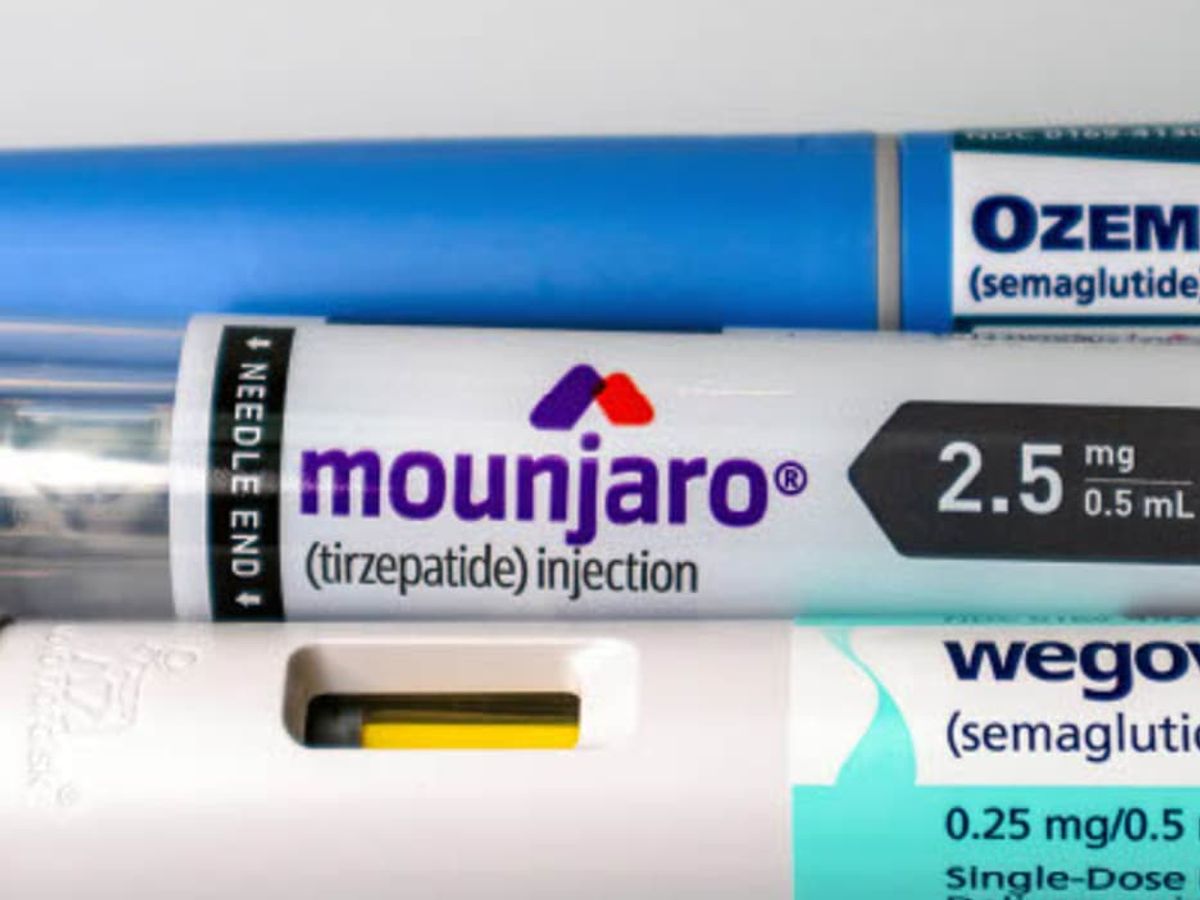
Weekly GLP-1 injection (the active drug in Wegovy and Ozempic) averaging ~15% body weight loss in clinical trials, the medication that started the medical weight-loss boom.
Also called: Wegovy, Ozempic, compounded semaglutide, GLP-1, semaglutide injections, semaglutide weight loss
Find a Semaglutide (Wegovy / Ozempic) clinic near you
See the clinics in your city that offer it, compare reviews, and request a free consultation.
Your location is used once to pick the nearest city and is never stored.
Semaglutide is the drug that turned medical weight loss into the fastest-growing category in aesthetic medicine. Sold as Wegovy (FDA-approved for weight loss) and Ozempic (approved for type 2 diabetes, widely used off-label), it’s a GLP-1 receptor agonist, a weekly injection that mimics a natural gut hormone to reduce appetite, slow stomach emptying, and quiet the “food noise” that undermines dieting.
How it works
GLP-1 (glucagon-like peptide-1) is a hormone your gut releases after eating. Semaglutide mimics it at much higher, longer-lasting levels: you feel full sooner, stay full longer, and think about food less. In the pivotal STEP 1 trial, patients on the full dose lost an average of about 15% of their body weight over 68 weeks, results that had never been seen from a medication before GLP-1s arrived.
Treatment starts at a low dose (0.25 mg weekly) and escalates over roughly four months to the target dose, which keeps side effects (mainly nausea) manageable.
What treatment actually looks like
A legitimate program starts with bloodwork and a medical history review, then a prescription with monthly-ish check-ins as your dose escalates. The injection itself is a small subcutaneous pen or syringe you administer yourself once a week. Most patients describe it as painless.
Plan on 12–18 months minimum. Most weight comes off in the first six to twelve; after that, you and your provider decide between a maintenance dose or a supervised off-ramp.
The honest trade-offs
It works while you take it. Stop, and roughly two-thirds of the weight typically returns within a year. This is a long-term therapy, not a 90-day fix.
Nausea is real during dose increases, though it fades for most people.
“Ozempic face.” Losing 15% of your body weight includes your face. Many patients pair GLP-1 treatment with dermal fillers or Sculptra to restore facial volume, and with CoolSculpting or Emsculpt NEO for stubborn areas and skin tone after stabilizing.
Sourcing matters more than ever. After the FDA declared the semaglutide shortage over in 2025, the rules around compounded versions tightened sharply. Ask any provider exactly what they’re dispensing and where it comes from.
Semaglutide vs. tirzepatide
The other major GLP-1, tirzepatide (Zepbound/Mounjaro), targets two hormone pathways instead of one and beat semaglutide head-to-head in the 2025 SURMOUNT-5 trial (~20% vs ~14% average loss). Semaglutide counters with a longer track record, broader insurance coverage, and often lower cash prices. Read our full semaglutide vs. tirzepatide comparison before deciding.
Why people choose Semaglutide (Wegovy / Ozempic)
Average ~15% body weight loss over 68 weeks in the pivotal STEP trial
Once-weekly injection (no daily pills or clinic visits)
Improves blood sugar, blood pressure, and cholesterol alongside weight
The most-prescribed and longest-studied GLP-1 for weight loss
Are you a good candidate?
Adults with BMI 30+, or 27+ with a weight-related condition (prediabetes, high blood pressure, sleep apnea), committed to ongoing treatment and follow-up
By location
Find Semaglutide (Wegovy / Ozempic) near you
1,388 clinics across 350 cities list Semaglutide (Wegovy / Ozempic) on ClinicCompass. 891 of them (64%) say on their own websites that they offer financing or payment plans;
ask about approval and interest before you book.
Same drug (semaglutide), different branding and dosing. Ozempic is FDA-approved for type 2 diabetes (max 2 mg/week); Wegovy is FDA-approved specifically for weight loss, usually at 2.4 mg/week. Since March 2026 a higher 7.2 mg weekly dose (Wegovy HD) is also approved, for adults with obesity who have tolerated 2.4 mg for at least 4 weeks and need more weight loss. The higher dose causes more altered skin sensation (dysesthesia): 22% of patients at 7.2 mg versus 6% at 2.4 mg. 'Ozempic for weight loss' is off-label use of the diabetes version. Med spas and weight-loss clinics typically prescribe Wegovy or, where compliant, pharmacy-prepared semaglutide.
How much weight do people actually lose on semaglutide?
The pivotal STEP 1 trial averaged about 15% of body weight over 68 weeks at the full 2.4 mg dose, roughly 35 lb for a 230 lb patient. Real-world results spread widely around that average: some lose 20%+, and roughly 1 in 7 patients are minimal responders. Most loss happens in the first 6–12 months. Head-to-head data (SURMOUNT-5, 2025) found tirzepatide outperformed semaglutide on average. See our tirzepatide page for the comparison.
How much does semaglutide cost per month?
Brand-name Wegovy lists around $1,350/month without insurance, though the manufacturer's direct-pharmacy pricing has brought cash prices down substantially, commonly around $499/month. Med spa and clinic programs using pharmacy-prepared semaglutide have typically run $250–$500/month including supervision. Ask exactly which formulation a provider uses and how it's sourced. FDA rules on compounded semaglutide tightened after the official shortage ended in 2025.
What are the most common side effects?
Nausea is the big one, especially during dose escalation. It improves for most people within weeks at each dose level. Constipation, diarrhea, fatigue, and reflux are also common. Serious but uncommon: pancreatitis, gallbladder problems, and dehydration-related kidney issues. Anyone with a personal or family history of medullary thyroid cancer or MEN-2 syndrome should not take GLP-1s. Rapid facial volume loss ('Ozempic face') is a cosmetic side effect many patients address with dermal fillers or Sculptra.
Do I regain the weight if I stop?
Studies show roughly two-thirds of lost weight returns within a year of stopping, because the appetite-suppression only works while the drug is in your system. Long-term users either continue on a lower maintenance dose or lock in lifestyle changes during treatment. Have the exit-strategy conversation with your provider before your first injection, not after your last.
Should I get semaglutide at a med spa or through my doctor?
If you have insurance that covers Wegovy, your primary-care doctor is usually the cheapest path. If you're paying cash, med spa and clinic programs compete well on price and typically include labs, dose management, and in-person check-ins that telehealth-only services skip. Whichever route: legitimate providers require labs and medical history first. An injection with no screening is a red flag.
Sources
Where this information comes from
Clinical facts on this page are checked against these primary sources.
3.WEGOVY- semaglutide injection, solution; WEGOVY- semaglutide tablet - DailyMed, U.S. Food and Drug AdministrationThe 7.2 mg maximum dose and who it is for, the higher rate of dysesthesia at 7.2 mg (22% versus 6% at 2.4 mg), the boxed warning on thyroid C-cell tumors, the contraindication for personal or family history of medullary thyroid carcinoma or MEN 2, and the warnings on pancreatitis and gallbladder disease.
4.Semaglutide Injection: MedlinePlus Drug Information, National Library of Medicine (NIH)Common side effects such as nausea, vomiting, diarrhea, constipation, and headache, and who should not take semaglutide.