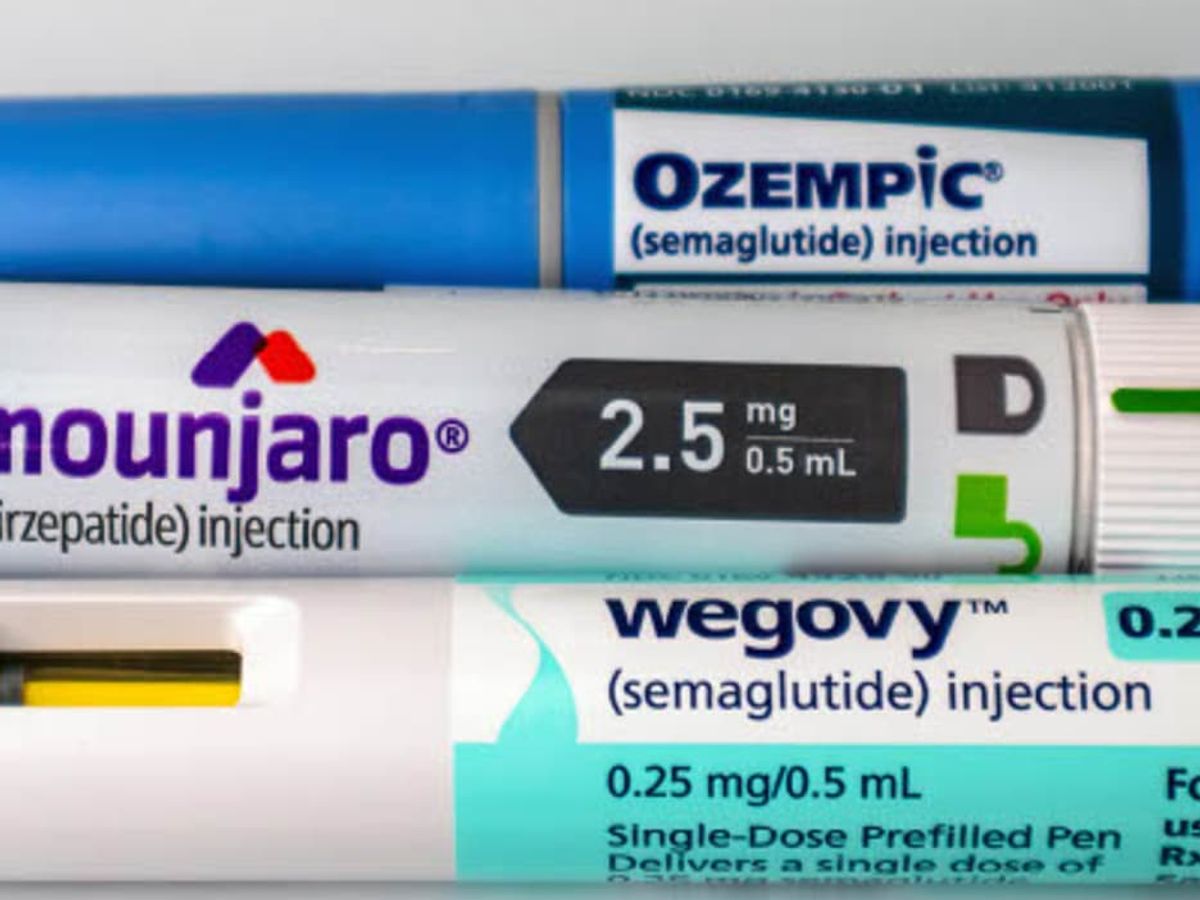
Weekly dual-action (GLP-1 + GIP) injection averaging ~20% body weight loss in trials, the strongest results of any weight-loss medication, and the winner of the first head-to-head trial against semaglutide.
Also called: Zepbound, Mounjaro, compounded tirzepatide, GLP-1, GIP, tirzepatide injections, tirzepatide weight loss
Find a Tirzepatide (Zepbound / Mounjaro) clinic near you
See the clinics in your city that offer it, compare reviews, and request a free consultation.
Your location is used once to pick the nearest city and is never stored.
Tirzepatide is the second act of the GLP-1 revolution, and by the numbers, the stronger one. Sold as Zepbound (FDA-approved for weight loss) and Mounjaro (approved for type 2 diabetes), it works on two gut-hormone pathways at once: GLP-1, like semaglutide, plus GIP, a second hormone involved in appetite and fat metabolism.
Why the dual mechanism matters
Semaglutide mimics one satiety hormone; tirzepatide mimics two. In practice that translated into the strongest clinical trial results the weight-loss field has ever produced: SURMOUNT-1 averaged ~20–22% body weight loss over 72 weeks at the top dose. And in 2025, the first true head-to-head trial (SURMOUNT-5) settled the debate on averages: tirzepatide patients lost roughly 20% of body weight versus roughly 14% on semaglutide.
Interestingly, many patients also report the nausea is a touch milder (possibly a GIP effect), though experiences vary.
What treatment looks like
Identical rhythm to semaglutide: labs and history first, then a weekly self-injection with the dose stepped up gradually over about five months. Expect 12–18+ months of treatment, with most of the loss in the first year, then a maintenance decision.
The cost picture shifted in patients’ favor when the manufacturer began selling Zepbound directly in single-dose vials at $349–$499/month cash, often undercutting what compounded versions used to cost, with none of the sourcing questions.
The honest trade-offs
Same fundamentals as every GLP-1: it works while you take it (the SURMOUNT-4 stop study showed about half the weight returning within a year of quitting), nausea is the toll at each dose increase, and rapid weight loss shows in your face. Patients finishing their weight-loss phase commonly turn to dermal fillers for facial volume, and CoolSculpting or Emsculpt NEO for the stubborn-spot cleanup that medication alone doesn’t do.
Why people choose Tirzepatide (Zepbound / Mounjaro)
Average ~20% body weight loss over 72 weeks in the SURMOUNT-1 trial, the strongest trial results in the category
Beat semaglutide head-to-head in the 2025 SURMOUNT-5 trial
Dual GLP-1 + GIP action; some patients report milder nausea than on semaglutide
Manufacturer's direct vial program has made cash pricing competitive
Are you a good candidate?
Adults with BMI 30+, or 27+ with a weight-related condition, wanting maximum medication-driven results and committed to ongoing treatment
By location
Find Tirzepatide (Zepbound / Mounjaro) near you
1,173 clinics across 323 cities list Tirzepatide (Zepbound / Mounjaro) on ClinicCompass. 747 of them (64%) say on their own websites that they offer financing or payment plans;
ask about approval and interest before you book.
What's the difference between Mounjaro and Zepbound?
Same drug (tirzepatide), different approvals. Mounjaro is FDA-approved for type 2 diabetes; Zepbound is approved for weight loss and obstructive sleep apnea. Weight-loss patients paying cash usually end up with Zepbound, which the manufacturer also sells directly in lower-cost single-dose vials.
Is tirzepatide really stronger than semaglutide?
On trial averages, yes. SURMOUNT-1 showed ~20–22% average body weight loss at the top dose, and the head-to-head SURMOUNT-5 trial (2025) found tirzepatide patients lost meaningfully more than semaglutide patients (~20% vs ~14%). Averages aren't individuals (plenty of people do great on semaglutide), but if maximum medication effect is the goal, tirzepatide is the current benchmark.
How much does tirzepatide cost per month?
Zepbound lists around $1,100/month, but the manufacturer's direct-to-patient vial program cut cash prices to roughly $349–$499/month depending on dose. Clinic and med spa programs using pharmacy-prepared tirzepatide have typically charged $300–$600/month with supervision included. As with semaglutide, compounding rules tightened after the FDA shortage designation ended. Ask exactly what's being dispensed.
What are the side effects?
Very similar profile to semaglutide: nausea during dose escalation, constipation or diarrhea, fatigue, reflux. Some patients tolerate tirzepatide's dual mechanism a bit better; others notice no difference. The serious-but-rare list is the same (pancreatitis, gallbladder issues), and the same thyroid-cancer-history exclusions apply. Rapid weight loss also means facial volume loss ('Ozempic face' applies here too), which many patients address with fillers or Sculptra.
Will I keep the weight off if I stop?
The SURMOUNT-4 withdrawal study answered this directly: patients who stopped tirzepatide regained about half the lost weight within a year, while those who continued kept losing. Like all GLP-1s, it's a long-term commitment: plan the maintenance strategy up front.
Who should choose tirzepatide over semaglutide?
Consider tirzepatide if: you want the strongest average results, you tried semaglutide with underwhelming effect, or cash price via the manufacturer's vial program beats your semaglutide options. Consider semaglutide if: your insurance covers Wegovy, you want the longest safety track record, or your provider's semaglutide program is meaningfully cheaper. Both beat every weight-loss medication that came before them.
Sources
Where this information comes from
Clinical facts on this page are checked against these primary sources.
1.FDA Approves New Medication for Chronic Weight Management, U.S. Food and Drug AdministrationZepbound (tirzepatide) is FDA-approved for chronic weight management, approved November 8, 2023, based on trial results showing substantial weight loss versus placebo.
2.ZEPBOUND- tirzepatide injection, solution - DailyMed, U.S. Food and Drug AdministrationZepbound's approved indications for chronic weight management and moderate-to-severe obstructive sleep apnea in adults with obesity, the 15 mg maximum weekly dose, the boxed warning on thyroid C-cell tumors, the contraindication for personal or family history of medullary thyroid carcinoma or MEN 2, common side effects including nausea, diarrhea, vomiting, and constipation, and the SURMOUNT-1 trial result of 20.9% weight loss at the 15 mg dose versus 3.1% with placebo.
3.MOUNJARO- tirzepatide injection, solution - DailyMed, U.S. Food and Drug AdministrationMounjaro (tirzepatide) is FDA-approved for type 2 diabetes, and carries the same boxed warning on thyroid C-cell tumors, the same thyroid-history contraindications, and the same 15 mg maximum weekly dose as Zepbound.